Imagine sitting down to eat your favorite meal and realizing something is missing. The pizza, ice cream, or spicy dish in front of you looks exactly the same, but every bite feels empty because you can’t taste anything.
Losing your sense of taste may seem like a small inconvenience, but it affects much more than the enjoyment of food. Taste helps us choose what to eat, avoid spoiled foods, and even maintain a healthy diet.
So what actually happens when your sense of taste disappears?
Your ability to taste depends on a complex system involving your tongue, nose, and brain. Most people have around 10,000 taste buds, and each one only survives for about 10 days before being replaced.
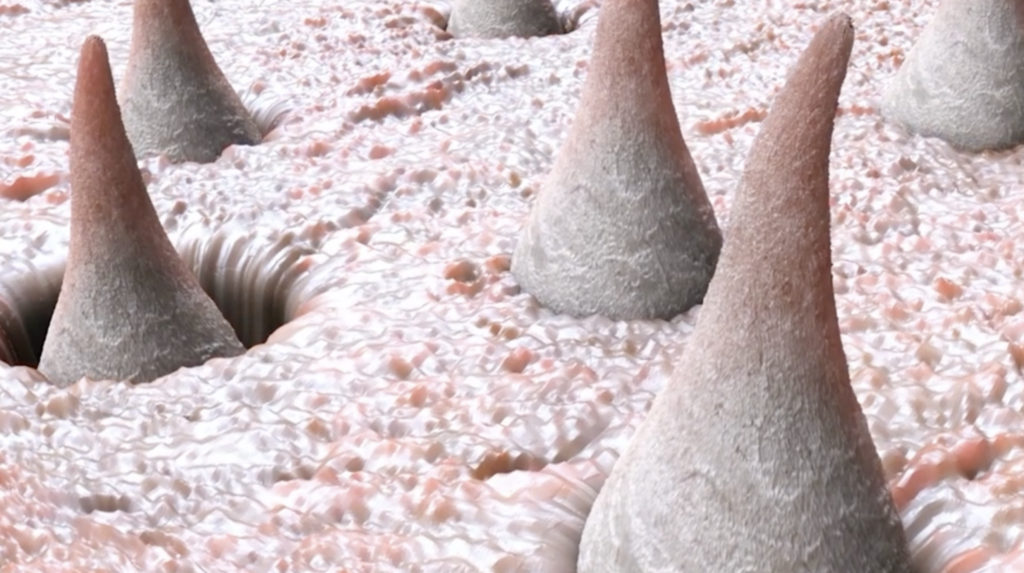
These tiny sensors are located inside small bumps on your tongue called papillae. Inside each taste bud are microscopic structures that send signals to your brain, allowing you to recognize different flavors like sweet, salty, sour, bitter, and savory.
But taste isn’t only about your tongue.
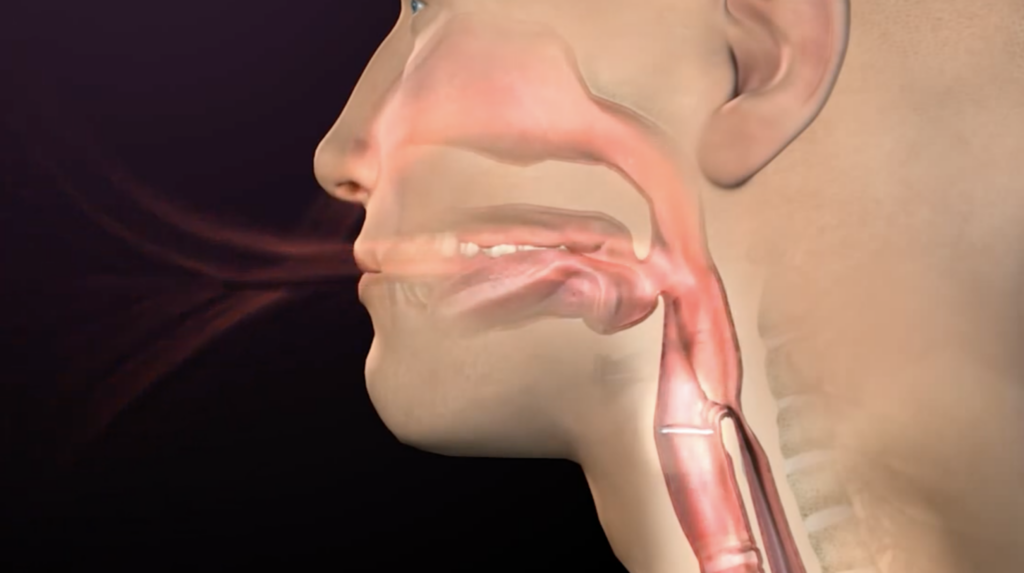
Your sense of smell plays a huge role in creating flavor. As you chew food, chemicals are released and travel through the back of your nose, activating smell receptors. Your brain combines these signals with information from your taste buds to create the full experience of flavor.
That’s why food often seems tasteless when you have a blocked nose from a cold.
Certain illnesses can also affect this connection. During the COVID-19 pandemic, many people reported losing their ability to taste or experiencing changes in how food tasted. Studies found that taste loss was one of the first symptoms for many infected individuals.
But COVID-19 isn’t the only reason someone might lose their sense of taste.
Some medications can interfere with taste, including certain antifungal drugs and medications that affect the digestive system. Other causes can include infections, nerve damage, aging, or problems affecting the mouth and nose.
One unusual condition linked to taste is called phantom taste perception.
Instead of losing taste completely, people with this disorder experience a taste that isn’t actually there. They may have a constant unpleasant flavor in their mouth, even when they haven’t eaten anything. Some describe it as strong, bitter, or overpowering.
But what about spicy foods? If you lost your sense of taste, could you eat the hottest chili pepper in the world without feeling anything?
Unfortunately, no.
Spicy food isn’t actually a taste. The burning sensation comes from pain receptors in your mouth. A chemical in chili peppers called capsaicin activates these receptors, creating the intense heat sensation.

So even without taste, the world’s hottest chili pepper would still feel painfully hot.
The good news is that losing your sense of taste doesn’t mean food has to become completely boring. Spices, textures, and temperatures can still make meals more interesting. The experience may be different, but eating can remain enjoyable.
Taste is something many people take for granted. It helps us experience culture, enjoy meals with others, and recognize the foods that keep us healthy.
As we age, the number of taste buds naturally decreases, making flavors less intense over time. That makes every delicious meal worth appreciating while we can.
The next time you enjoy your favorite dish, take a moment to notice all the flavors working together. A simple bite of food is actually the result of one of the most complex sensory systems in the human body.