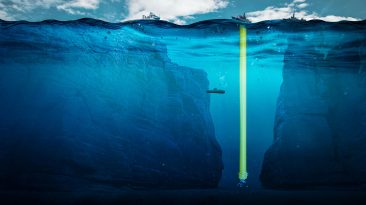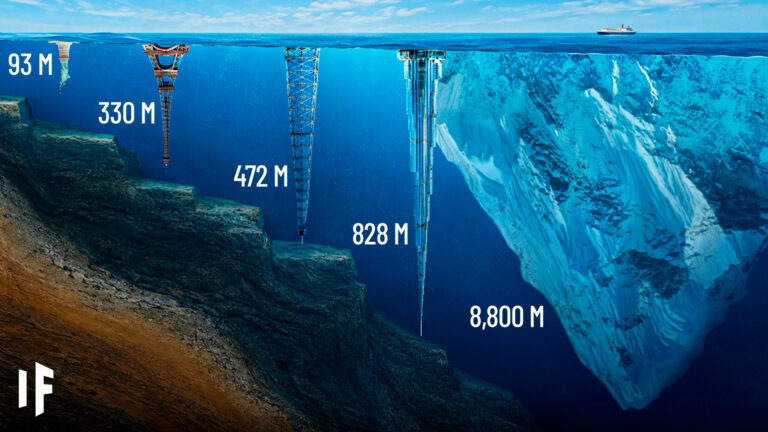
The ocean is so enormous that it is difficult to truly understand its scale. Covering more than 71% of Earth’s surface, it contains the vast majority of all the water on the planet and reaches depths that dwarf the tallest mountains.
Scientists have explored only a small fraction of the seafloor, leaving much of this underwater world completely unmapped. Every layer of the ocean is different, with its own conditions, creatures and geological features.
From sunlit coral reefs to the deepest trench on Earth, the ocean becomes more mysterious the farther you descend.
The Surface Zone (0 to 30 m)
The Surface Zone is the brightest and most familiar part of the ocean, where sunlight easily reaches the water and supports an incredible variety of marine life. This is where swimmers, snorkelers and most scuba divers spend their time exploring coral reefs, colorful fish and sea turtles.

It is also home to countless shipwrecks, since most ships travel near coastlines before accidents occur. Famous wrecks such as the SS Thistlegorm have become thriving artificial reefs that attract marine life from across the surrounding waters. Although this layer feels vast to us, it represents only a tiny fraction of the ocean’s total depth.
The Sunlight Zone (30 to 200 m)
As you descend into the Sunlight Zone, the water becomes noticeably darker even though sunlight still reaches these depths. Massive ecosystems such as the Great Barrier Reef extend into this layer, providing shelter for thousands of species including sharks, rays, sea turtles and dugongs.
Ancient shipwrecks resting hundreds of years beneath the surface have also been discovered here with robotic submersibles. Pressure increases steadily, making this region more challenging for divers while still supporting an impressive diversity of life. It serves as the final transition before the ocean enters permanent darkness.
The Twilight Zone (200 to 1,000 m)
The Twilight Zone receives almost no sunlight, creating an environment where darkness dominates the landscape. Many creatures survive by producing their own light through bioluminescence, using glowing organs to hunt prey, communicate or avoid predators.
Strange animals such as the anglerfish and the tiny but incredibly numerous bristlemouth fish thrive in these conditions. Every night, billions of marine organisms migrate toward the surface to feed before returning to the depths by sunrise, creating the largest daily migration on Earth. Despite its darkness, this zone contains an astonishing amount of marine life.
The Midnight Zone (1,000 to 4,000 m)
The Midnight Zone is completely black because sunlight can no longer penetrate this far into the ocean. Temperatures remain just above freezing, while pressure reaches levels that would instantly crush an unprotected human. Food is scarce, so many animals survive by feeding on marine snow, a constant shower of organic material drifting down from the surface.
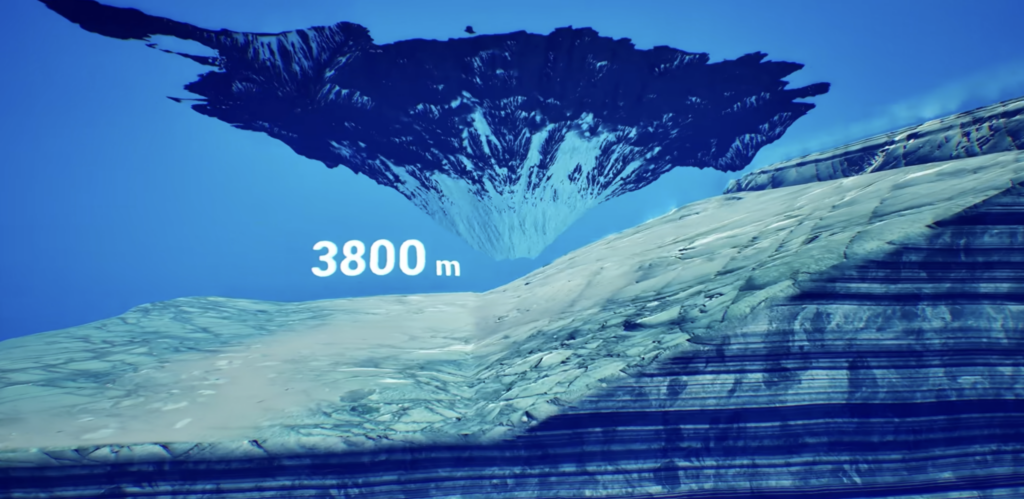
Giant squid, deep sea fish and diving sperm whales can all be found in this mysterious environment. Near the lower part of this zone rests the wreck of the Titanic, preserved by the cold, dark waters for more than a century.
The Abyssal Zone (4,000 to 6,000 m)
The Abyssal Zone covers enormous flat plains that stretch across much of the ocean floor. Although life is less common here, many remarkable organisms have evolved to survive under crushing pressure and near freezing temperatures.
Sea cucumbers, octopuses and ancient glass sponges slowly move across the seabed, while whale falls create temporary ecosystems that can support hundreds of species for decades. Hydrothermal vents release hot, mineral rich water that allows unique organisms to survive without any sunlight at all.
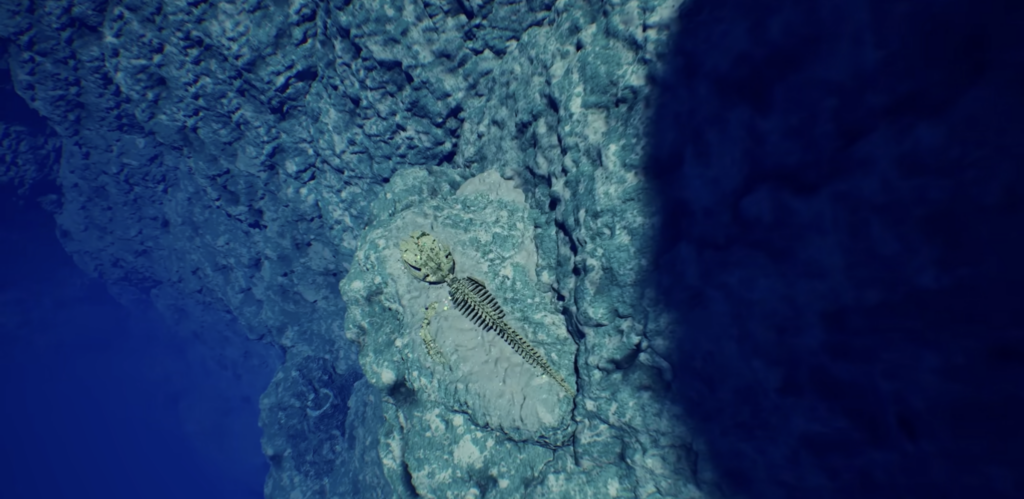
These deep sea habitats are among the most unusual environments found anywhere on Earth.
The Hadal Zone (6,000 to 11,000 m)
The Hadal Zone is the deepest and most extreme part of the ocean, existing only inside enormous trenches such as the Mariana Trench. Pressures here exceed one thousand times the pressure at sea level, while temperatures remain only a few degrees above freezing.
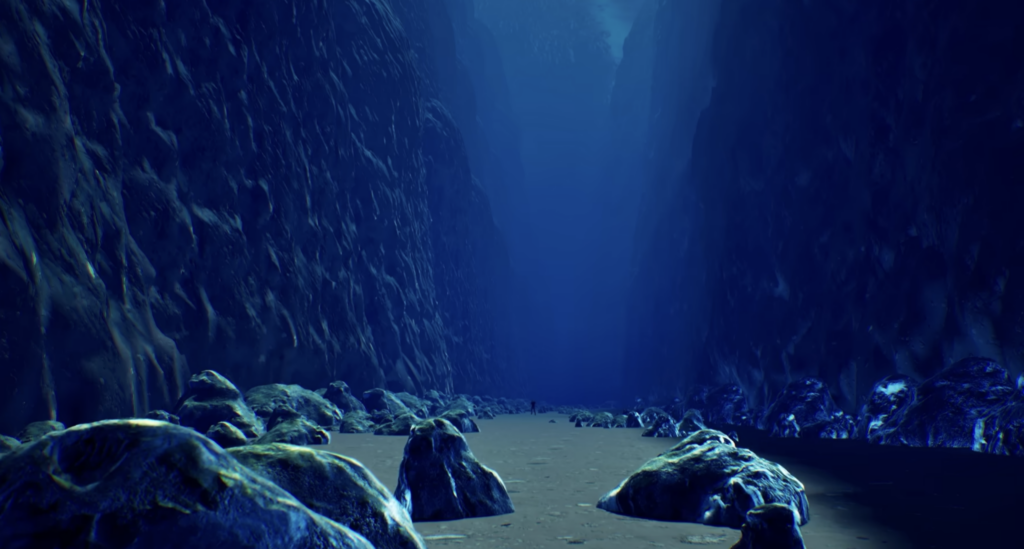
Very few animals can survive these conditions, with specialized species like snailfish and tiny crustaceans among the rare exceptions. At the very bottom lies Challenger Deep, the deepest known point on Earth at approximately 11,000 m (36,000 ft). Fewer people have visited this place than have walked on the Moon, making it one of the most remote locations on the planet.