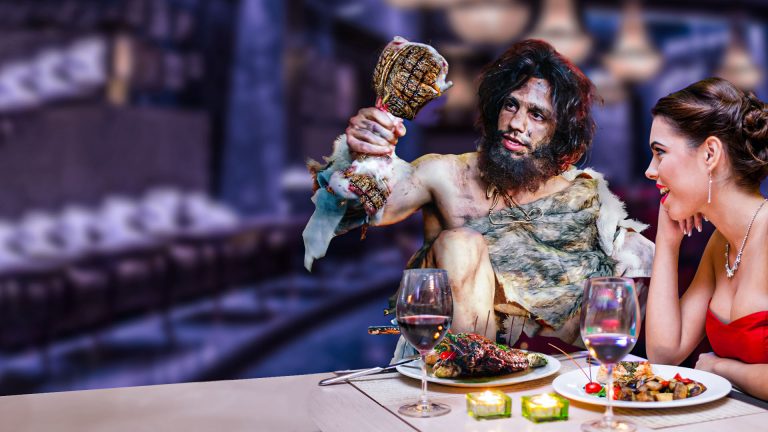
Imagine walking down a busy city street and passing someone who looks almost human but not quite. They are shorter, broader, with a larger brow ridge and a more powerful build. They are a Neanderthal, and after disappearing for roughly 40,000 years, they are living among us once again.
It may sound like science fiction, but modern genetics has brought the idea closer to reality than ever before. Neanderthal DNA is about 99.7% identical to our own, and scientists have successfully recovered nearly complete genetic sequences from ancient remains. Even more surprising, many people today still carry around 1% to 2% Neanderthal DNA inherited from ancestors who met and interbred with them thousands of years ago.
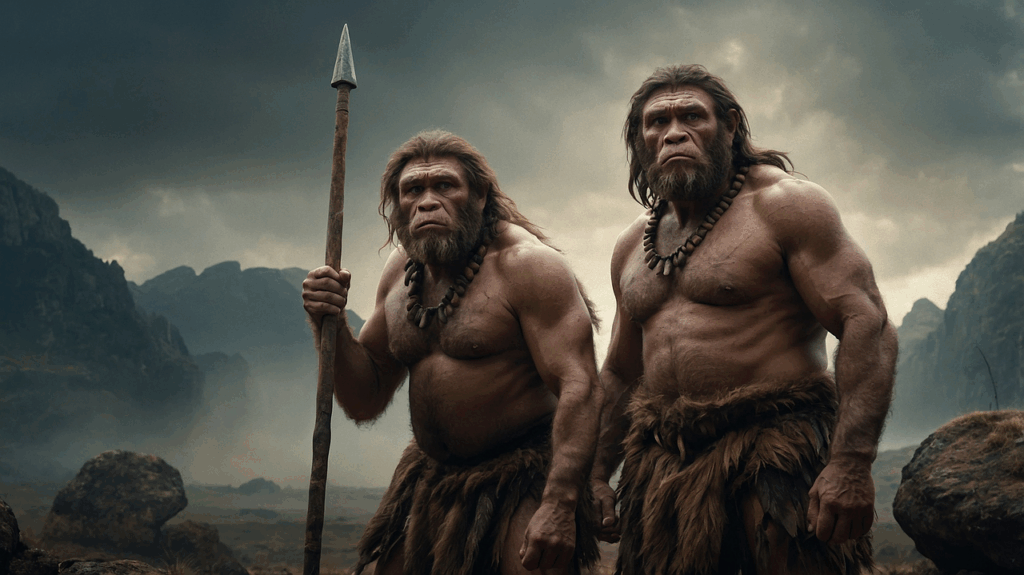
If researchers ever found a safe and ethical way to recreate Neanderthals, they would not be as unfamiliar as many people imagine. Although they had shorter bodies, stronger muscles, and longer skulls, they shared many behaviors with modern humans. They lived in family groups, cared for injured relatives, created sophisticated stone tools, and even cooked many of the foods they ate.
Neanderthals were also capable of communicating with one another and adapting to harsh environments across Europe and western Asia. Their brains were actually slightly larger than those of modern humans, although brain size alone does not determine intelligence.
Thousands of years ago, Neanderthals and Homo sapiens lived side by side for several millennia. During that time, the two groups likely interbred, leaving traces of Neanderthal DNA in billions of people today. Eventually, however, the Neanderthal population disappeared, possibly because they were outnumbered, absorbed into growing human populations, or struggled to compete for resources during a changing climate.
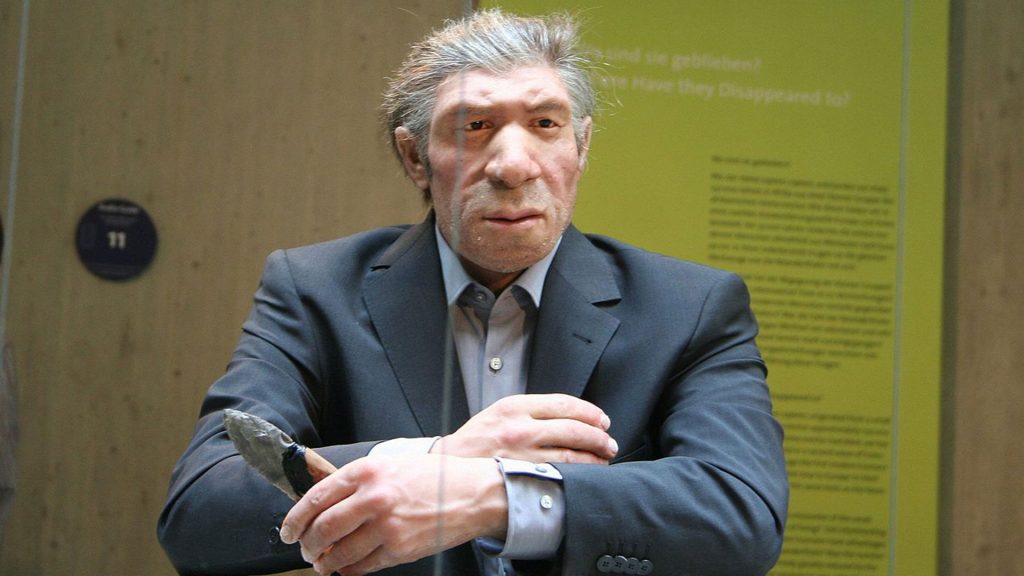
If Neanderthals suddenly returned today, their biggest challenge might not be survival in the wild but fitting into modern society. They would need to navigate cities, technology, education, and legal systems that evolved without them. Whether they would fully integrate or choose to build separate communities would depend on how both species adapted to one another.
Their arrival would also raise difficult ethical questions. Would Neanderthals receive the same rights as modern humans? Could they vote, own property, and pursue careers? Or would prejudice and misunderstanding create barriers that are impossible to overcome? These questions could become just as important as the science that brought them back.
Although Neanderthals remain extinct, their legacy never truly vanished. Fragments of their DNA continue to live on in many people today, serving as a reminder that our closest human relatives are still part of our own story. If they ever walked among us again, the biggest change might not be them. It would be how humanity chooses to welcome one of its oldest relatives back into the modern world.