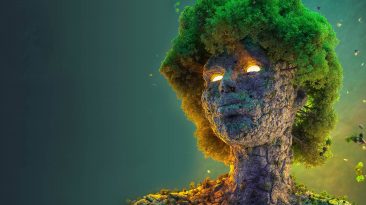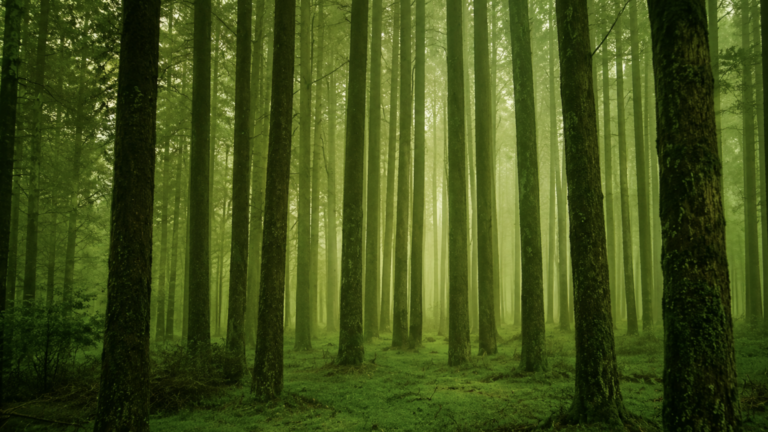
Trees have been standing silently beside us for thousands of years. They have witnessed changing climates, the rise and fall of civilizations, and countless generations of life. They seem quiet and motionless, but science has revealed that forests are far more active than they appear.
What if we could finally understand what trees were saying?
The first surprise is that trees already communicate. They simply do it in ways humans cannot naturally hear or see.
Beneath every healthy forest lies an enormous underground web of microscopic fungi known as a mycorrhizal network. These tiny fungal threads connect tree roots, allowing them to exchange chemical compounds, nutrients, and even electrical signals. Through this hidden system, trees can warn one another about insect attacks, disease, drought, and other environmental dangers.
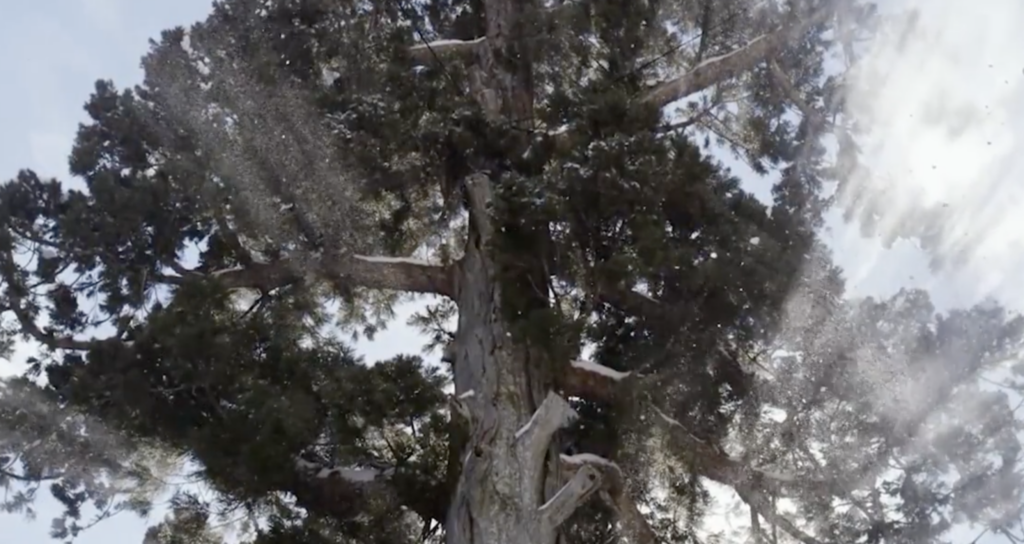
Communication also happens above ground. Trees release chemical compounds into the air that nearby trees detect through their leaves. If one tree is attacked by insects, others can begin producing defensive chemicals before the pests even reach them. It is an ancient warning system that has been evolving for millions of years.
If humans learned to understand this language, forests would become living libraries.
A centuries old oak could describe severe droughts, violent storms, and massive wildfires that happened long before written history. An ancient pine might remember when a nearby river changed course or when the first people settled in the region. Instead of cutting trees down to study their growth rings, we could simply ask them about the past.
Even ordinary neighborhood trees could become valuable sources of information. The maple outside your window might explain why its leaves are changing early, while the elm down the street could warn that a disease is spreading through the local area.
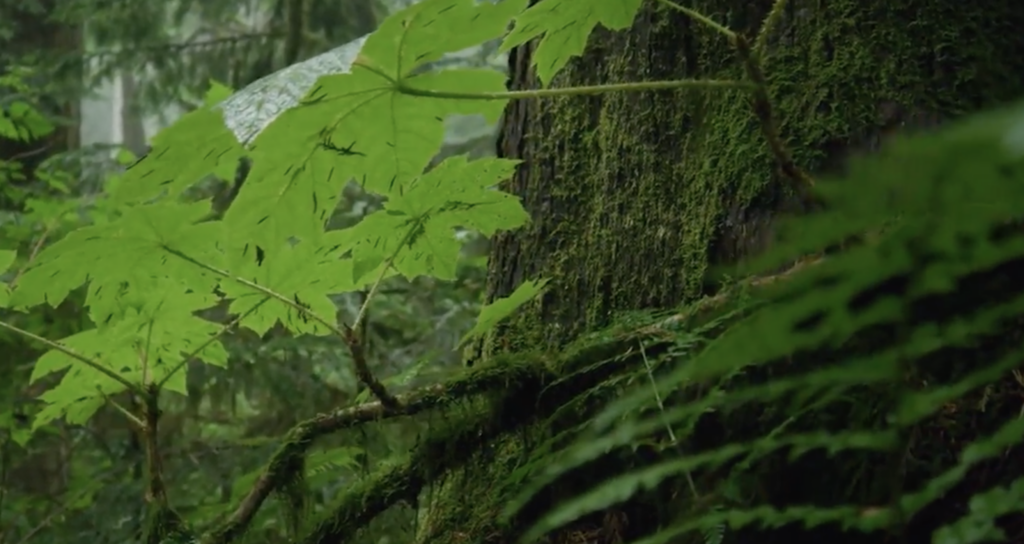
Farmers would benefit as well.
Fruit trees could signal when they lack water or essential nutrients instead of waiting until they begin to decline. Orchards could become healthier, produce larger harvests, and require fewer unnecessary treatments because growers would know exactly what their trees need.
Foresters could also manage woodlands more responsibly. Instead of removing healthy trees at random, forests could identify overcrowded areas where thinning would improve the health of the entire ecosystem. Harvesting timber might become slower and more expensive, but it would also be far more sustainable.
Of course, trees would probably remind us of everything they already do for us.
Every day they absorb carbon dioxide from the atmosphere and release the oxygen that makes life possible. They help filter air pollution, cool cities during hot weather, protect soil from erosion, reduce flooding by storing water, and create habitats for countless animals, insects, and fungi. Entire ecosystems depend on them.
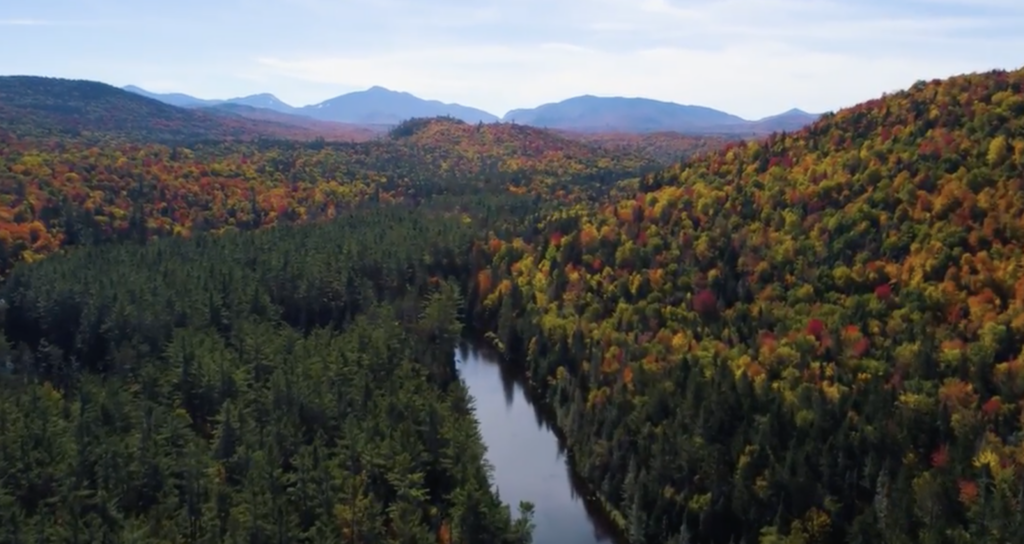
Perhaps the hardest conversation would involve our own actions.
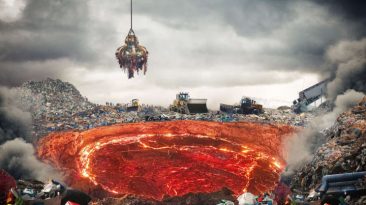
For thousands of years, humans have cleared forests to make room for farms, cities, and roads. Billions of trees have disappeared, shrinking habitats and changing landscapes across the globe. If trees could speak, they might ask why so many ancient forests were sacrificed and whether we truly understood what was being lost.
Their message would likely be simple.
A forest is not just a collection of individual trees. It is a connected community where every member helps support the others. The healthier the forest becomes, the healthier the planet becomes as well.
If we could hear trees speak, we would probably gain centuries of wisdom. The real question is whether we would finally listen.