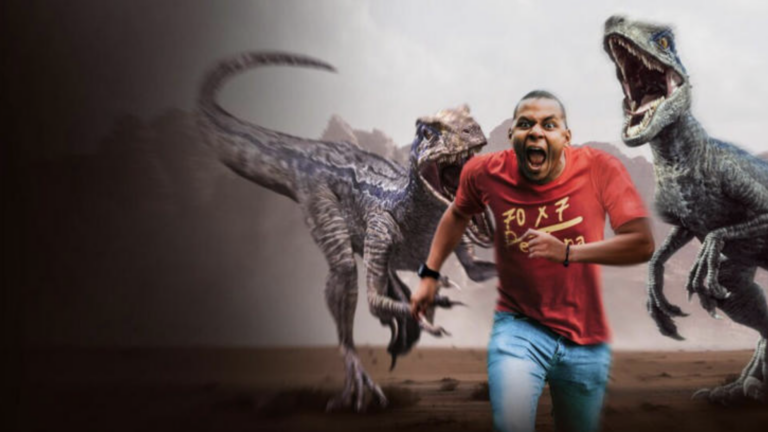
Imagine waking up one morning and discovering that dinosaurs are no longer creatures trapped inside museum displays. They are alive again, walking through forests, crossing landscapes, and sharing the planet with humans.
It sounds like science fiction, but advances in genetic engineering have made scientists ask a fascinating question. Could extinct animals ever return, and if they did, what would happen to the world we live in?
Bringing dinosaurs back would be far more complicated than simply finding ancient DNA and making a clone. The idea made famous by Jurassic Park relies on extracting dinosaur blood from fossilized mosquitoes, but real science faces a major problem. DNA does not survive for tens of millions of years under normal conditions.
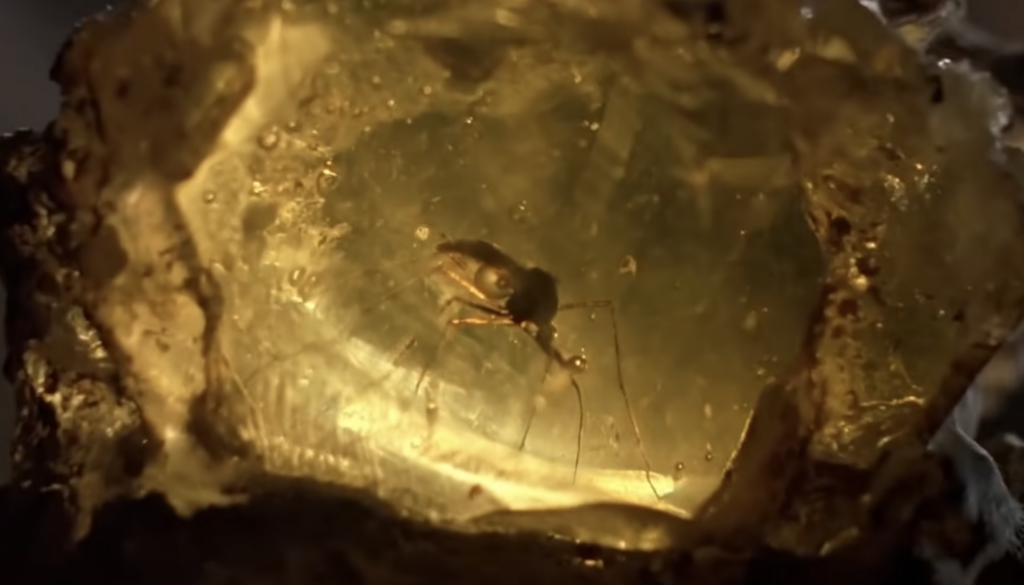
The oldest preserved DNA ever discovered is only around one million years old. Dinosaurs disappeared about 66 million years ago, meaning their genetic material would need to survive dozens of times longer than anything scientists have found.
Instead of cloning a dinosaur directly, researchers could potentially use genetic engineering to recreate dinosaur like traits in modern animals. Birds are the closest living relatives of dinosaurs, and scientists have already studied how certain ancient features could be activated through genetic changes.
However, creating an animal with a dinosaur feature would not mean bringing back a true dinosaur. It would be a new creature inspired by its ancient ancestors.
A World Where Dinosaurs Return
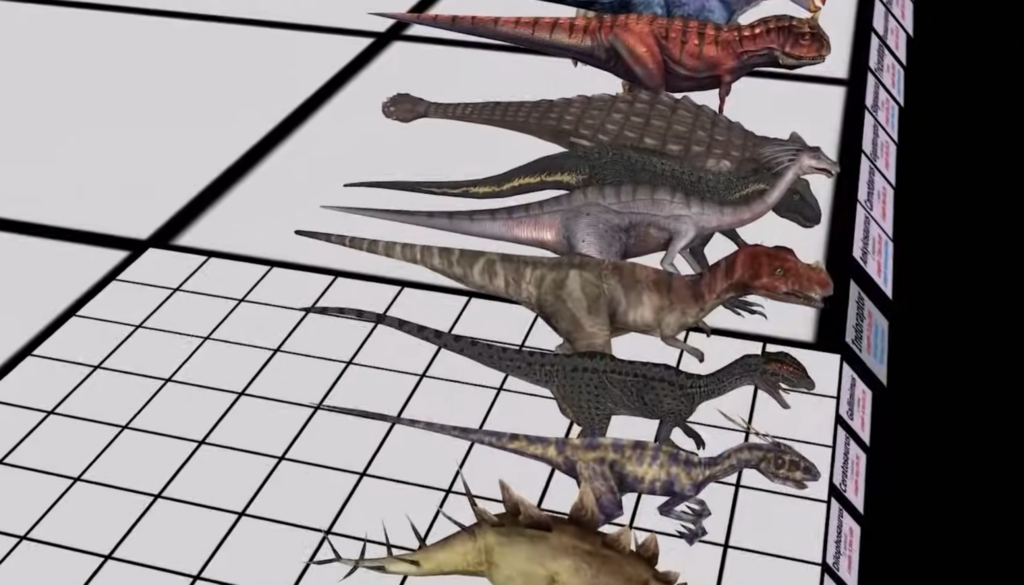
If scientists somehow succeeded in creating living dinosaurs, the biggest challenge would come after the discovery. Where would these animals live? How would humans control them? And what would happen if they escaped?
With hundreds of dinosaur species discovered, some would be far more dangerous than others. Small herbivores might adapt easily, but large predators could completely change how humans interact with the natural world.
A dinosaur like Tyrannosaurus rex would not see humans as friends or neighbors. It would simply recognize another possible food source. Large predators could make forests, rural areas, and even some cities much more dangerous places.
Outdoor activities could become risky. Farming, transportation, and construction could all require new safety measures. Highways might need stronger protection, and airlines could face new challenges if large flying reptiles were introduced into the environment.
The Impact on Nature
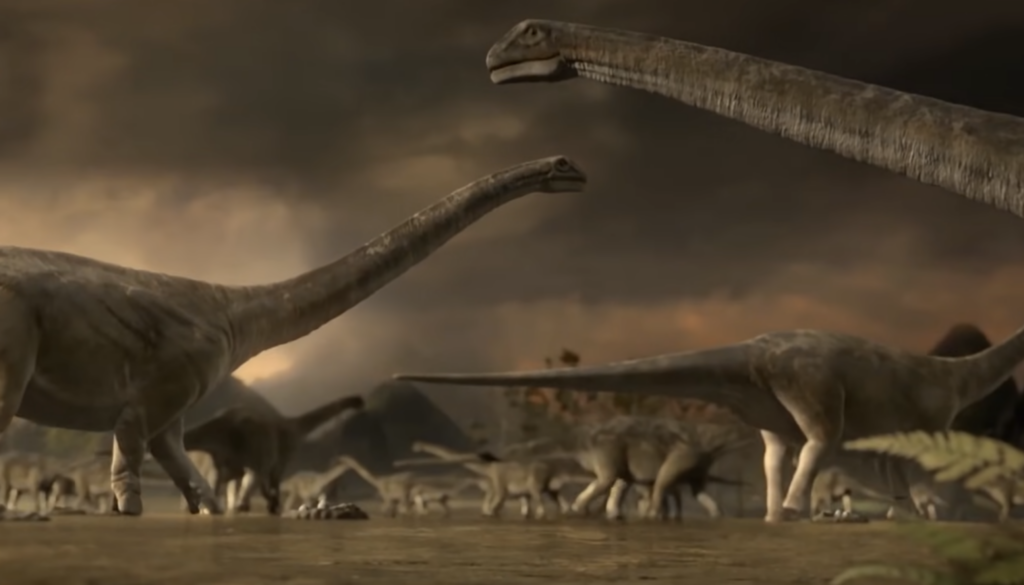
Modern ecosystems were not designed for dinosaurs. These animals evolved in a completely different world, with different plants, climates, and competing species.
Massive herbivores such as sauropods would face unexpected challenges. The vegetation available today is not the same as it was millions of years ago, meaning these giant animals might struggle to find enough suitable food.
Predatory dinosaurs could also become a major problem for existing wildlife. They would enter ecosystems that already have established predators and prey, creating competition that could push some modern species toward extinction.
Dinosaurs would essentially become one of the largest invasive species the planet has ever seen.
Could Dinosaurs Survive Today?
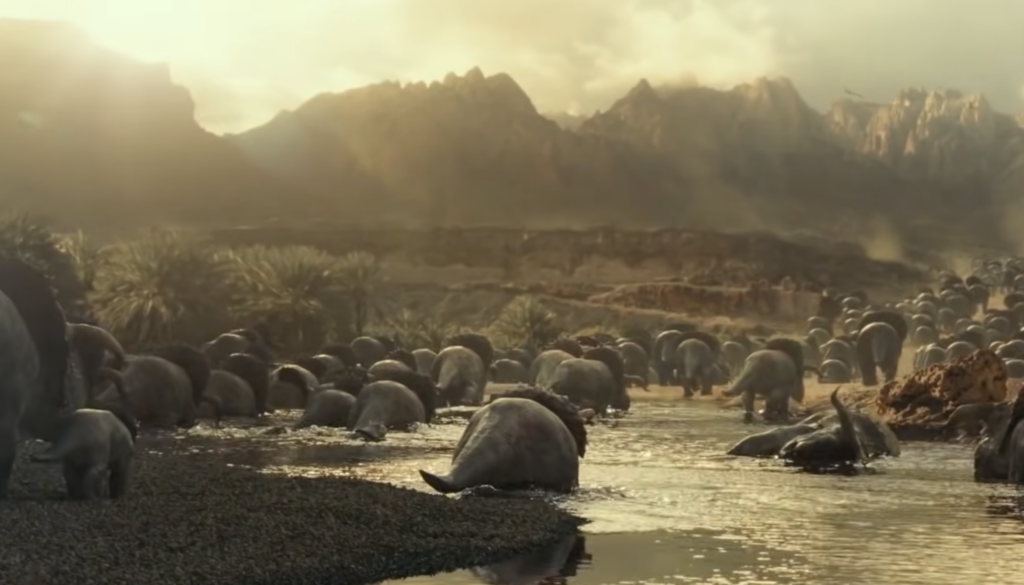
Even if humans brought dinosaurs back, survival would not be guaranteed. These creatures evolved for a world that no longer exists.
The atmosphere, climate, plants, and other animals have changed dramatically since the age of dinosaurs. Without careful genetic adjustments, many revived species might struggle to survive in today’s environment.
There would also be a major ethical question. Should humans bring back animals that disappeared millions of years ago, especially when many living species today are already threatened with extinction?
Creating dinosaurs for entertainment would be difficult to justify when conservation efforts are needed to protect animals that are still alive.
More Than Just a Jurassic Park
A dinosaur revival would probably create enormous public excitement. Millions of people would want to see these prehistoric creatures, and a real life dinosaur park could become one of the biggest attractions on Earth.
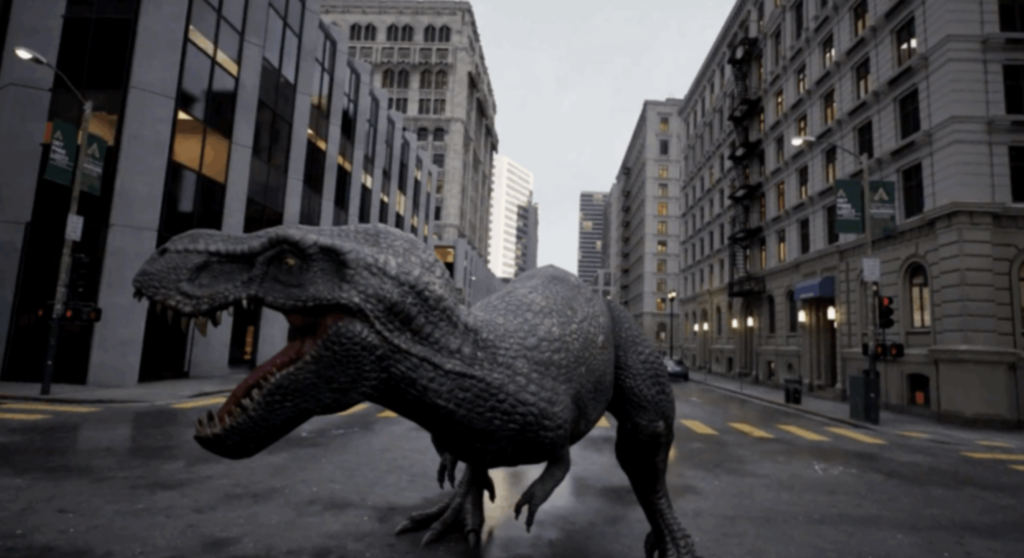
But scientists would likely focus on research rather than entertainment. Studying revived species could help us understand evolution, genetics, and the history of life on our planet.
Perhaps the better goal would not be bringing back dinosaurs, but restoring animals that humans caused to disappear. Reviving recently extinct species could help repair damaged ecosystems and teach us how to protect the creatures that still remain.
Dinosaurs walking the Earth again would be one of the greatest scientific achievements in history. But it would also force humanity to answer a difficult question: just because we can bring back the past, does it mean we should?