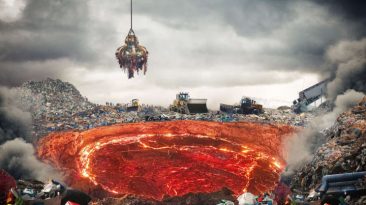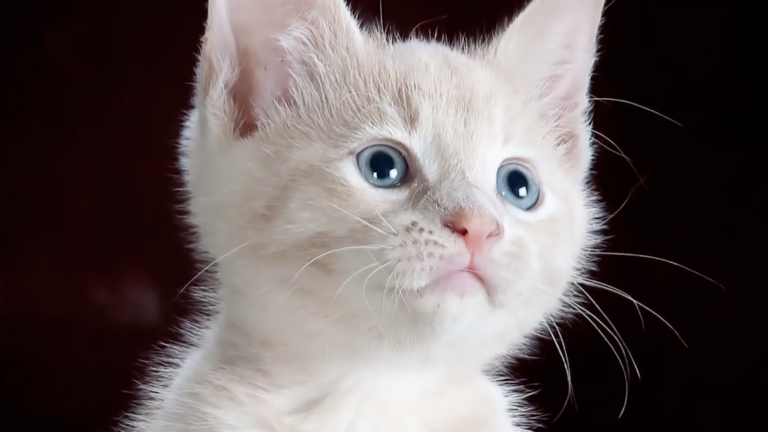
Imagine waking up one morning and realizing cats no longer exist.
No more purring beside you at night, no curious eyes watching from the windows, and no tiny predators silently protecting homes and farms. At first, the world might seem quieter and less adorable, but the disappearance of cats would create problems far beyond losing a beloved pet.
Cats have been living alongside humans for thousands of years, becoming companions, hunters, and protectors. While many people see them as lazy animals that spend most of their day sleeping, they are actually some of the most successful predators on Earth.
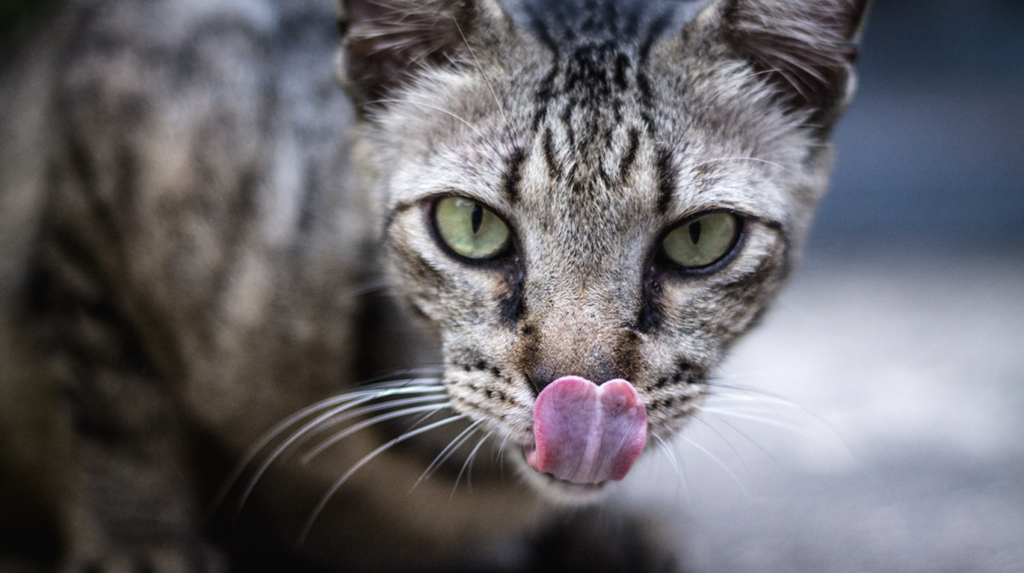
Domestic cats are incredibly efficient hunters, catching a large percentage of the prey they pursue. Compared to much larger predators, their small size hides a powerful hunting ability that has helped control populations of rodents and other small animals around the world.
Without cats, one of humanity’s oldest enemies would quickly begin to thrive.
Rats.
Cats currently kill billions of small mammals every year, helping keep rodent populations under control. Without this natural defense, rats would multiply rapidly and spread into cities, farms, and natural environments.
The problem would not simply be annoying infestations.
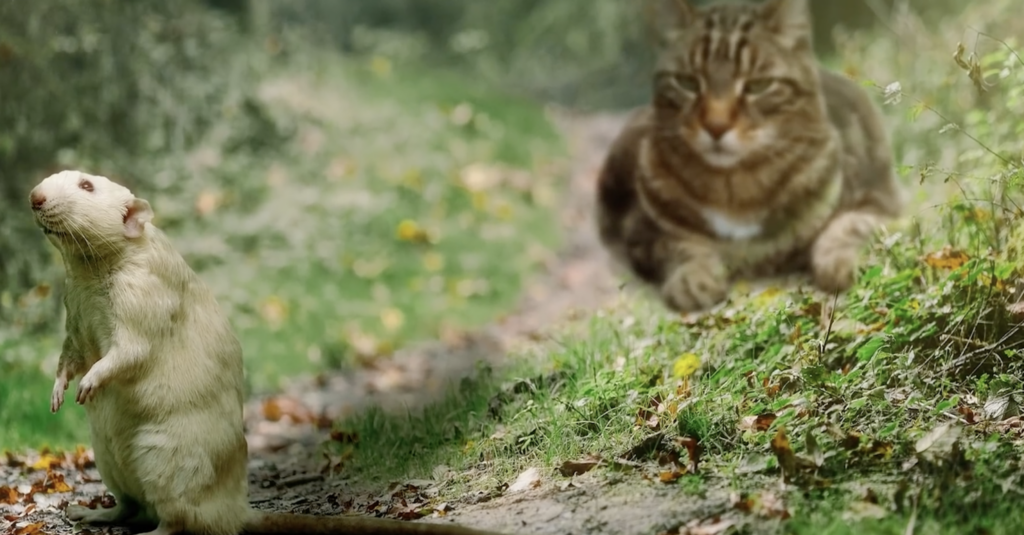
Rats are dangerous carriers of disease. Throughout history, rodents have been linked to some of the deadliest outbreaks humans have ever experienced, spreading harmful bacteria and viruses through bites, waste, and contaminated food.
A single rat can carry thousands of pathogens on its body. As their numbers increase, the chances of humans coming into contact with these diseases would rise dramatically.
The speed at which rats reproduce makes the situation even worse. One pair of rats can produce thousands of descendants in a single year, meaning a small population could become a massive infestation in a surprisingly short time.
Cities would become harder to live in as rats searched for food and shelter. They would invade homes, damage buildings, contaminate supplies, and create new health risks for millions of people.
But the damage would not stop in urban areas.
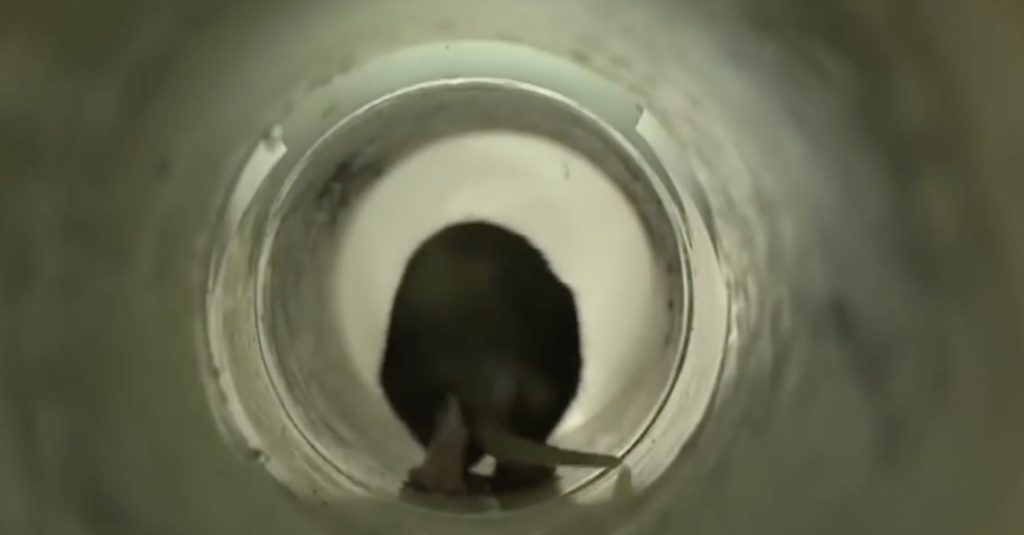
Farmers around the world rely on cats to protect crops and stored food from rodents. Without them, rats would consume enormous amounts of grain, vegetables, and other essential resources, putting additional pressure on global food supplies.
A world without cats could face a serious agricultural crisis. As food becomes harder to produce and diseases become more common, communities would be forced to find new ways to control exploding rodent populations.
The consequences would also spread into nature.
Invasive rats are already responsible for major environmental damage in many parts of the world. They have contributed to the decline of numerous bird, reptile, and island species by destroying nests and competing with native animals for resources.
Without cats, ecosystems would become even more unstable.
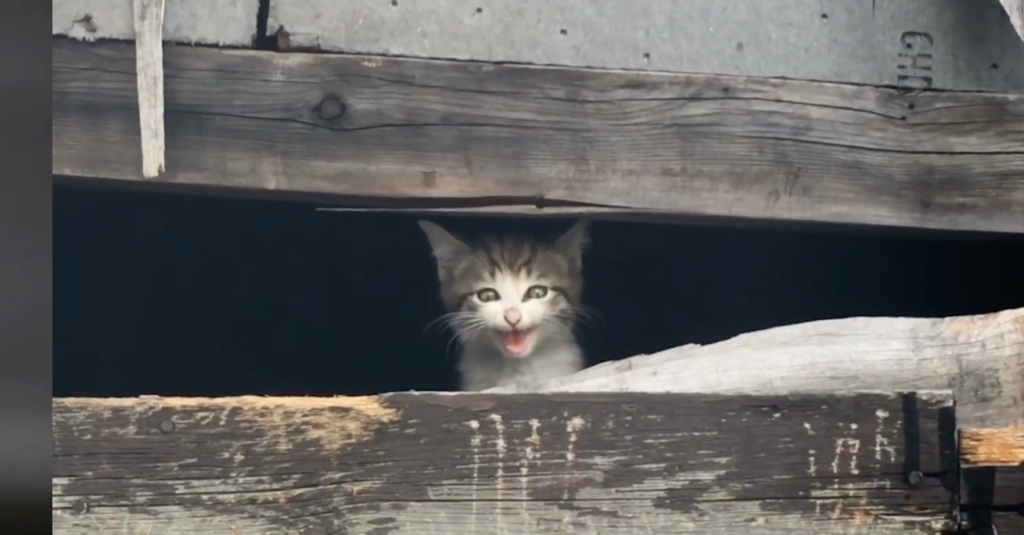
Humans would eventually develop new methods to fight the growing rat problem, including improved traps, technology, and other forms of pest control. However, replacing the role cats play would be extremely difficult because they have spent thousands of years naturally adapting to hunt rodents.
The loss of cats would also leave an emotional hole in human society.
Millions of people depend on cats for companionship, comfort, and connection. A world without their quiet presence, playful behavior, and familiar purring would feel very different.
Cats may seem like simple pets, but they are much more than that.
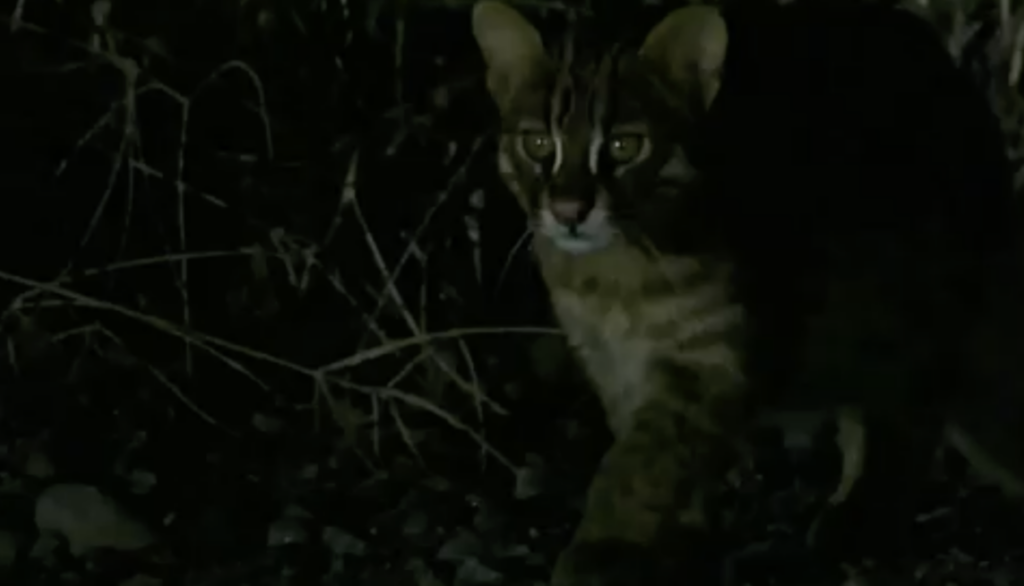
They are hunters, protectors, and an important part of the balance between humans and nature.
Without them, the world would become a much more dangerous place, filled with more disease, fewer resources, and a growing battle against creatures that have always been one step ahead.
So the next time your cat wakes you up at midnight, knocks something off a table, or leaves an unwanted gift at your doorstep, remember one thing:
That little predator might be doing more for humanity than you realize.