Every city, highway, bridge, and skyscraper on Earth tells the same story.
Humans have transformed nearly every corner of the planet, shaping landscapes to suit our needs. From towering buildings to sprawling suburbs, it’s easy to believe that our civilization has permanently changed the world.
But what if it hasn’t?
What if, one day, humanity suddenly vanished, leaving nature to reclaim everything we built?
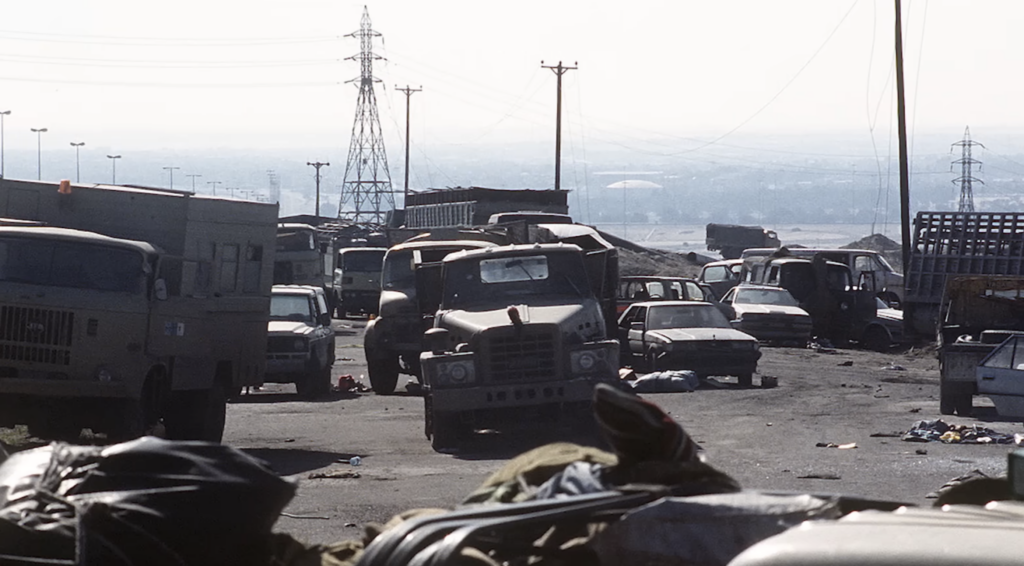
The first few hours would be filled with chaos. Airplanes would lose their pilots, vehicles would continue moving until they crashed, and trains would eventually derail without anyone to operate them. Across the globe, countless automated systems would continue working briefly before beginning to fail.
Within hours, power grids would start shutting down. Most electricity networks depend on constant human monitoring, and many power plants require continuous supplies of fuel or regular maintenance. As operators disappeared, large sections of the world would fall into darkness, leaving entire continents without reliable electricity.
Some systems would continue functioning on their own for a short time. Nuclear power stations, for example, are designed with automatic safety features that can shut reactors down if something goes wrong. Those emergency systems would delay disaster, but they could not maintain facilities forever.
Only days later, signs of civilization would already begin fading. Famous landmarks that require constant maintenance would stop functioning, while homes would become silent. Pets trapped inside buildings would struggle to survive, and animals in zoos would either escape or perish if they couldn’t find food.

As weeks turned into months, abandoned cities would become ideal habitats for wildlife. Rats, birds, insects, and larger mammals would spread through neighborhoods without human interference. Farm animals would wander into open landscapes, gradually adapting to life in the wild as new ecosystems formed around them.
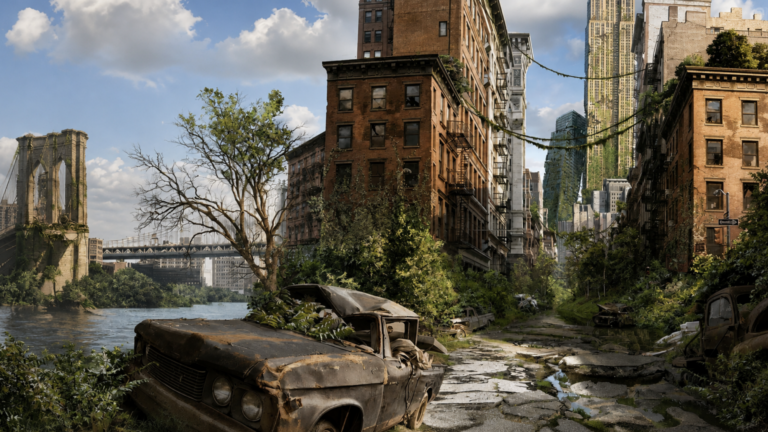
Within a few years, nature would begin rewriting the map. Without maintenance, roads would crack, weeds would force their way through asphalt, and vines would climb abandoned buildings. Trees would take root in empty streets, while rivers that had been confined by concrete would slowly carve new paths through forgotten cities.
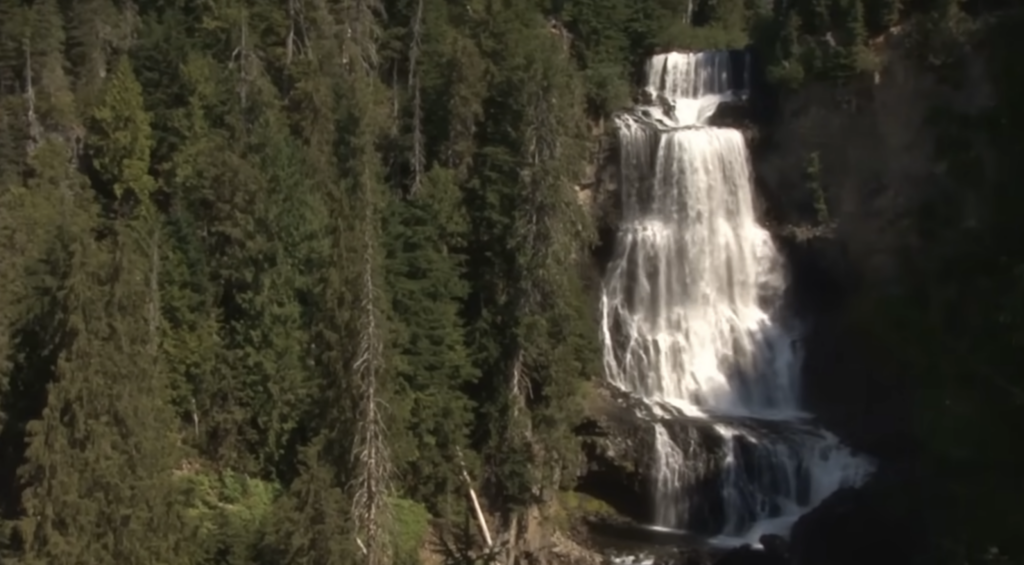
Decades after humanity disappeared, many of the satellites orbiting Earth would fall back through the atmosphere without engineers to replace or control them. Buildings would weaken as metal rusted and concrete fractured, causing skyscrapers and homes to collapse under years of wind, rain, and freezing temperatures.
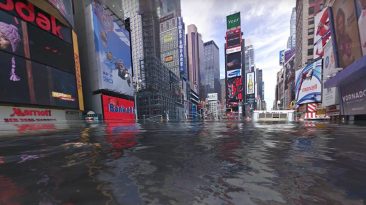
Coastal cities would face an even greater challenge. Rising seas and powerful storms would gradually flood neighborhoods built near the shoreline. Harbors would disappear beneath the water, while abandoned ships would sink and eventually become artificial reefs supporting entirely new marine ecosystems.
Although human activity would end immediately, the planet would continue feeling its effects for decades. Greenhouse gases already released into the atmosphere would keep influencing Earth’s climate before natural processes slowly restored balance.
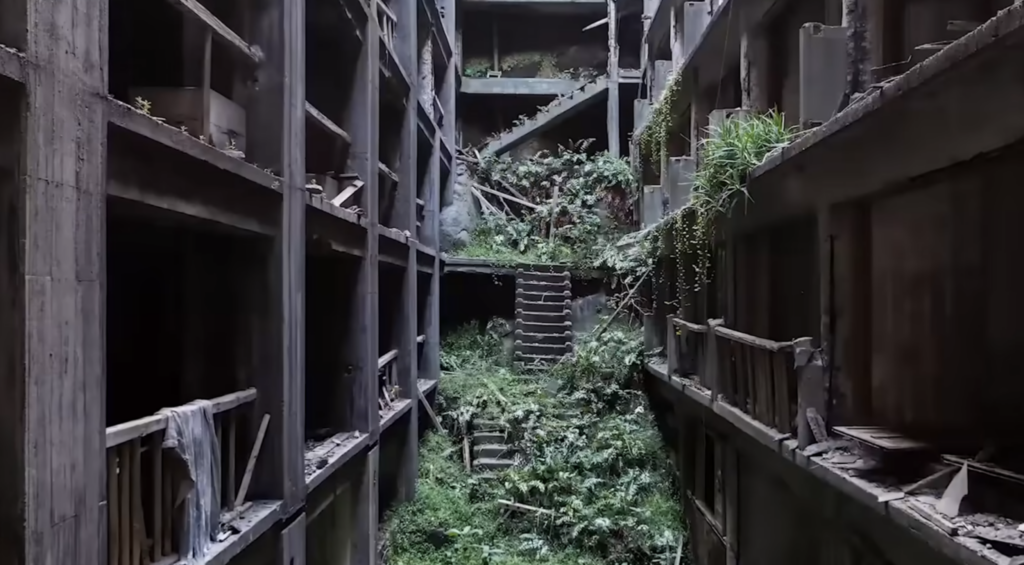
As pollution declined and fishing stopped, oceans would begin an extraordinary recovery. Fish populations would increase, coral reefs would have a chance to regenerate, and marine ecosystems that had struggled for generations could slowly return to healthier conditions.
A century later, forests would spread across former farmland, grasslands would reclaim highways, and many urban areas would become nearly unrecognizable. Places once filled with traffic and crowds would echo only with birds, insects, and wild animals.
After several hundred years, only the strongest structures would remain. Stone monuments, massive dams, and a handful of reinforced buildings might still stand, but most evidence of modern civilization would have disappeared beneath forests, deserts, wetlands, or ice.
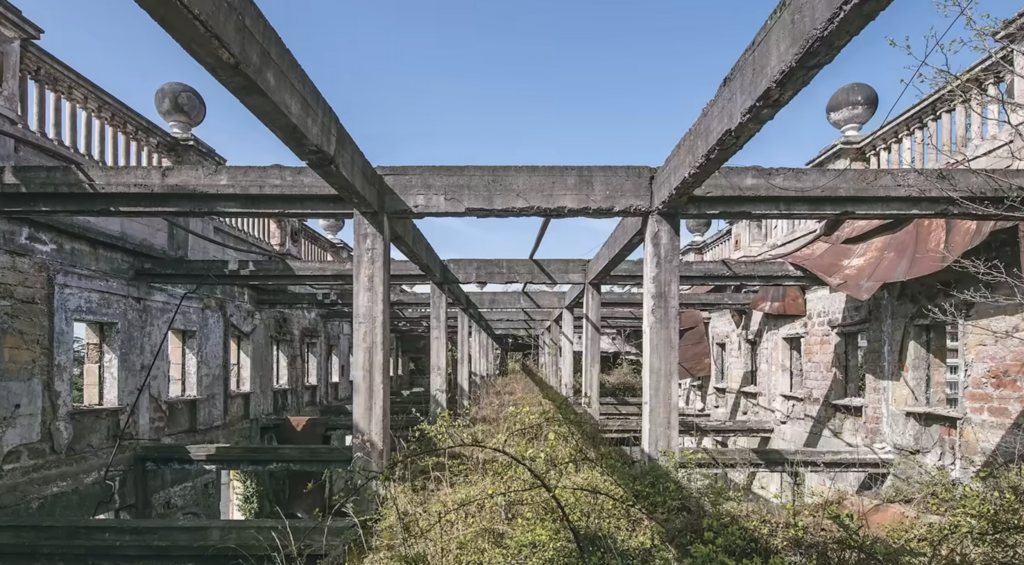
Thousands of years into the future, the planet would continue erasing our presence. Steel would corrode, concrete would crumble, and vegetation would cover almost everything humanity had built. Only a few unusually durable materials, such as certain plastics, ceramics, and objects left beyond Earth, would remain as silent reminders that our civilization once existed.
Nature has recovered from asteroid impacts, supervolcanoes, and ice ages throughout Earth’s history.
Given enough time, it would recover from us as well.
The greatest reminder of humanity’s influence may not be the cities we built, but how long it would take for the planet to forget we were ever here.