Water boils at 100 degrees Celsius. Everyone learns that.
Now go deep enough into the ocean and watch the rule break. Hydrothermal vents down there release water hotter than 350 degrees Celsius, and it does not boil. It cannot. The pressure pressing in from every direction simply will not allow it.
That single detail tells you what kind of place the deep ocean really is: somewhere the physics you grew up with stops applying.
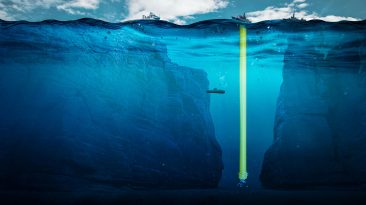
The Mariana Trench is the deepest known part of the world’s oceans, sitting in the western Pacific near the Mariana Islands. At its lowest point, the Challenger Deep, it plunges nearly 11,000 meters, making it one of the most hostile environments on Earth.
Even brief exposure there is beyond anything a human body has ever experienced. Pressure climbs with depth until it exceeds 1,000 times the pressure at sea level, and at the bottom the weight of all that water would crush an unprotected person instantly.
The temperature down there hovers just above freezing, typically 1 to 4 degrees Celsius. Combine that cold with that pressure and you get conditions where normal biological function cannot survive. Even advanced equipment has to be purpose built to endure it.
Getting there means descending through completely different worlds.
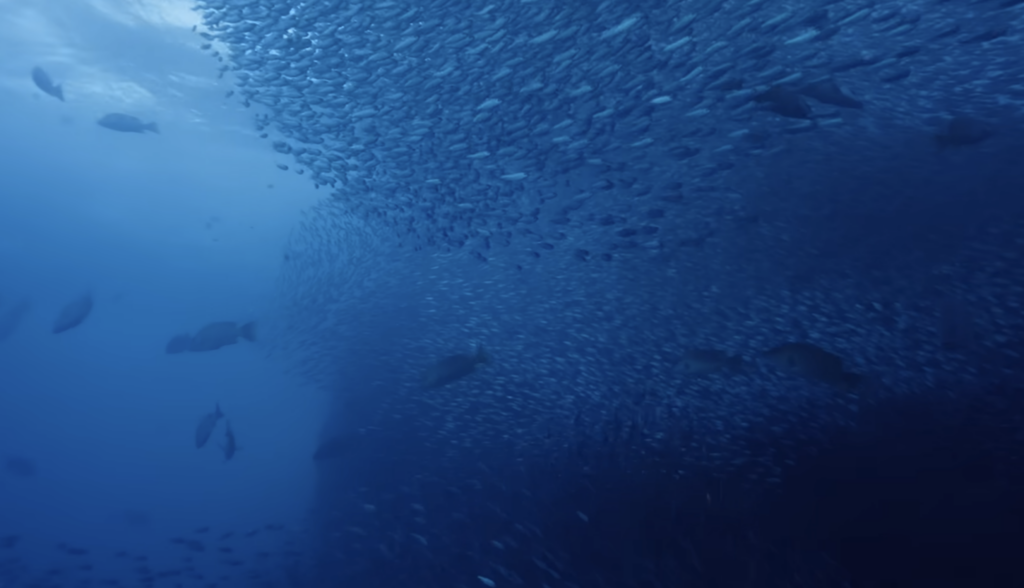
Near the surface lies the sunlight zone, where light still reaches and the vast majority of ocean biodiversity lives. Below roughly 200 meters, the twilight zone begins, sunlight fading and visibility shrinking until many creatures depend on bioluminescence for communication, camouflage, and hunting.
Deeper still and the water turns absolutely black. In the midnight zone, life continues without a single photon from above, and the residents show it: oversized eyes, transparent bodies, organisms generating their own light.
Then comes the abyssal zone, layering extreme cold and enormous pressure on top of a severe shortage of food. Life persists anyway, usually slow moving and ruthlessly energy efficient. Anglerfish and giant squid live out here, built for a place the sun has never touched.
And scattered through some of these depths sit the hydrothermal vents.
These openings release superheated mineral rich water from beneath the Earth’s crust, exceeding 350 degrees Celsius while remaining liquid under the crushing pressure. Around them thrive entire ecosystems that need no sunlight at all, running on chemistry instead.
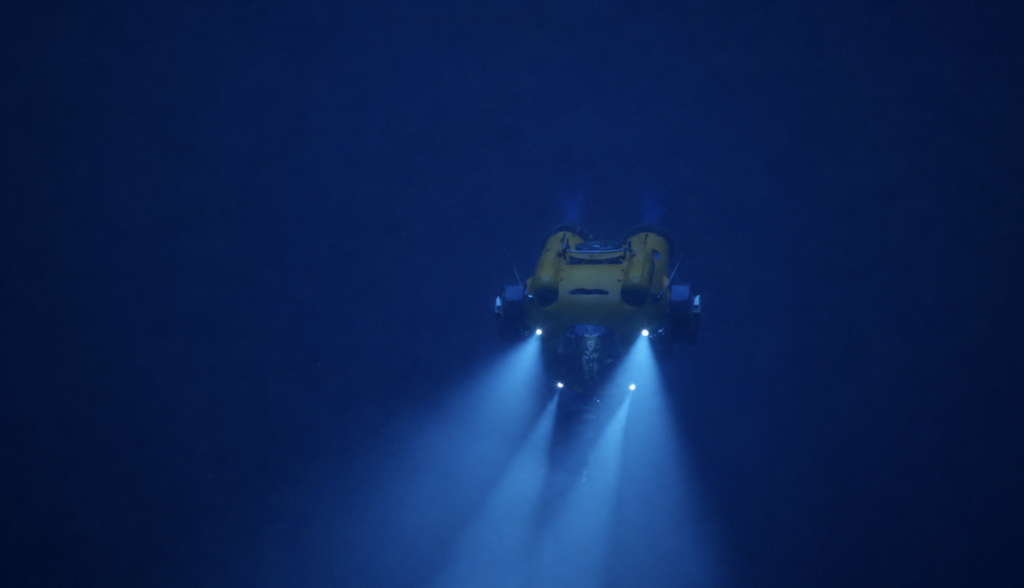
Push deeper and you enter the hadal zone, where the pressure grows intense enough to alter the structure of materials outright and tests even the most advanced submersibles ever built.
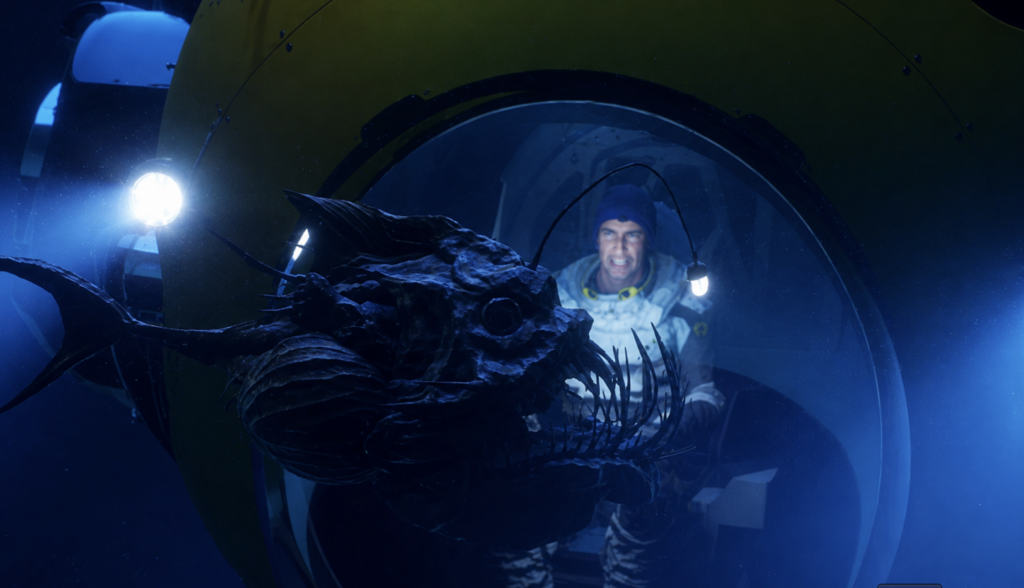
At the very bottom of the Mariana Trench, everything is dark, cold, and compressed. No sunlight, very little movement, and far less biological activity than the waters above. It is a place shaped entirely by pressure and isolation.
Five seconds down there unprotected is not a challenge. It is an impossibility. The human body was never built for those forces, and only specially engineered vehicles can reach that depth and return.
The trench remains one of the last true frontiers on Earth. Decades of exploration have barely scratched it, which is a strange thing to accept: we have mapped other planets more thoroughly than the deepest part of our own.