The International Space Station is dying, and there is a date on it.
Air leaks. System failures. Two decades of continuous operation finally catching up with a machine that was never meant to last forever. In 2030, it comes out of commission for good.
Which sounds like the end of something, until you realize what is already being built to replace it.
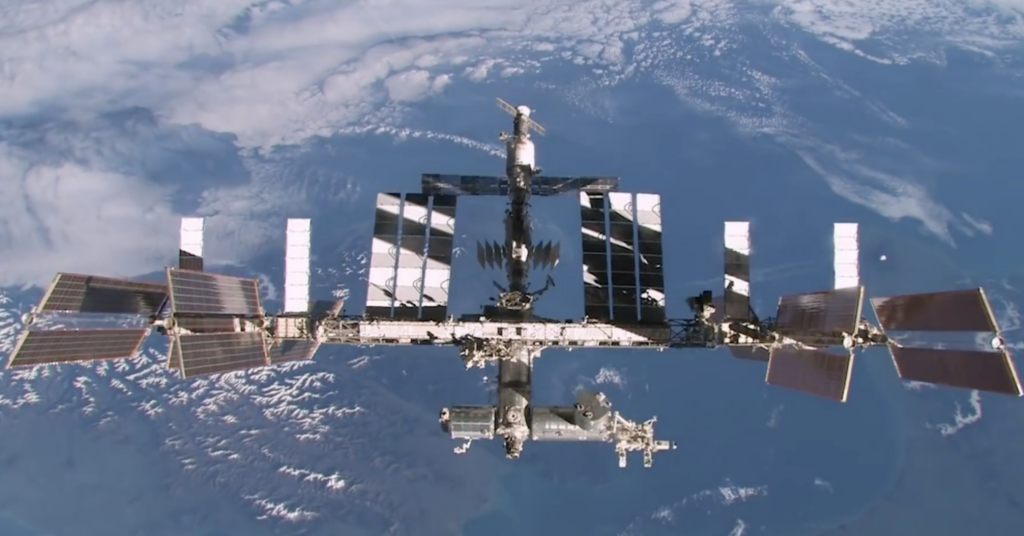
Over the past twenty years, the ISS has hosted more than 250 astronauts from around the world, serving as a research facility in low Earth orbit where scientists study everything from microgravity to new medical techniques.
That research is the foundation of our future interplanetary travel. But the hardware is aging, and when it finally retires, the door swings open for an entirely new wave of explorers.
If you want to see what comes next, a new exhibit at Dubai’s Museum of the Future lays out the coming generation of low Earth orbital concepts.
And here is the part most people have not caught up with yet. You may not need to be an astronaut at all.
Private companies are preparing to launch multiple space stations into orbit within the next decade, and space tourism is heading toward being genuinely available. Assuming you have the money.
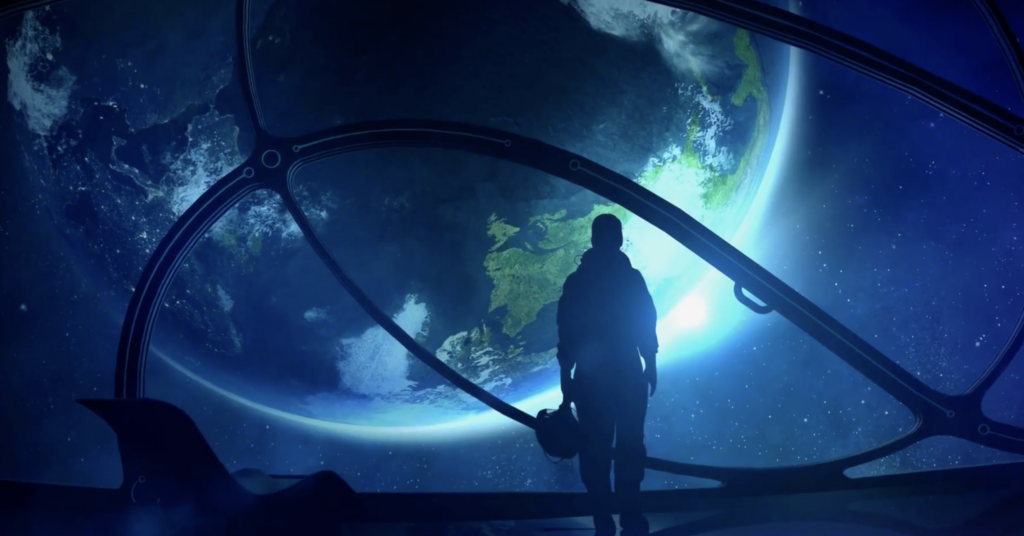
That shift has a second benefit. With private industry covering part of the bill, agencies like NASA can concentrate on reaching Mars and pushing missions beyond our planetary neighborhood.
Costs are already dropping. SpaceX’s Dragon spacecraft transport astronauts to the ISS and have saved NASA as much as $30 billion so far.
Then again, a seat still runs around $50 million, so keep saving.
Now meet the replacements.
Blue Origin, the company founded by Jeff Bezos, has designed Orbital Reef, a low Earth orbit station featuring the expected research labs alongside onboard 3D printers and space for off Earth gardening.
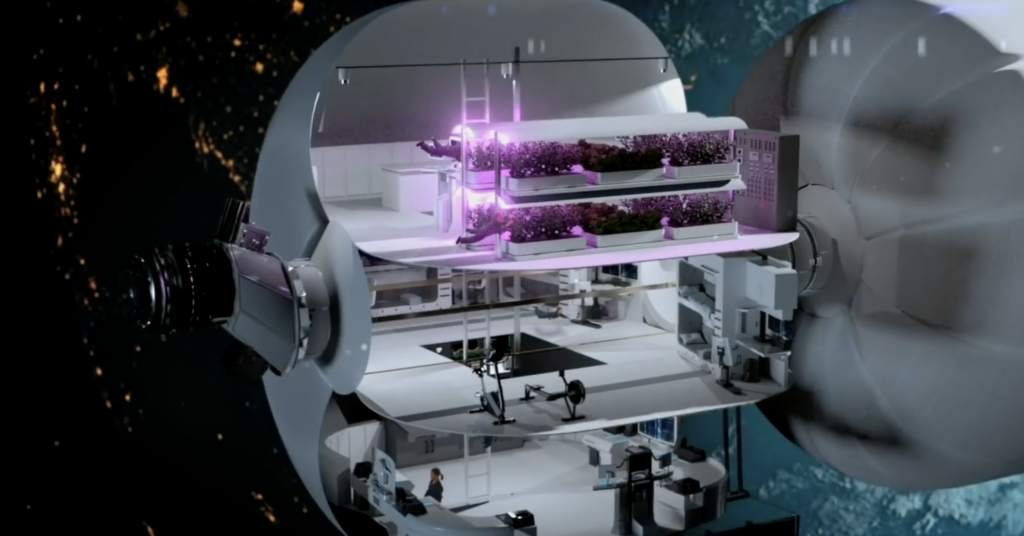
Premium printing services in orbit. All the best hotels have those, right?
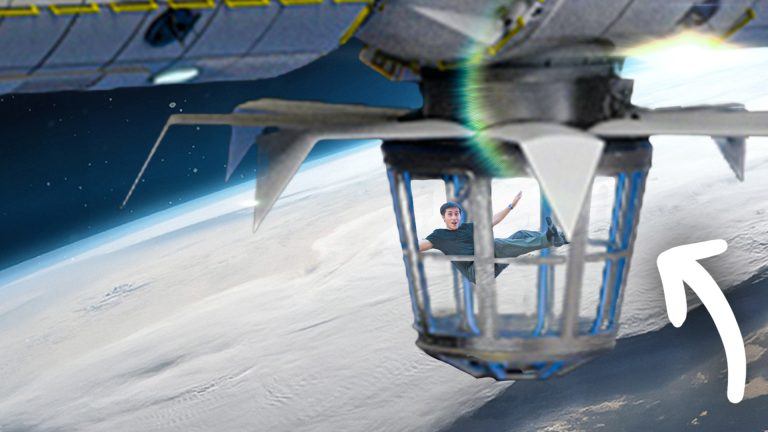
Speaking of hotels, Axiom Space is already constructing modules for the ISS, including an actual space hotel. It attaches to the station while it is still operational, then detaches and continues life as its own independent station, complete with enormous windows overlooking Earth and large entertainment systems.
Want to run a business up there? Axiom will custom build a module for whatever manufacturing you have in mind. You could even build new modules. Quite a rental unit.
Or maybe you are thinking further out, toward the Moon.
Sierra Space has developed inflatable living areas called LIFE habitats, short for Large Integrated Flexible Environment, containing crew quarters, closets, and crucially, better bathrooms.
The concept is a free floating station that could eventually land on the Moon, arriving with its own rocket launch pad to get home and a nuclear power plant to keep it running. A galactic pit stop on the way to Mars.
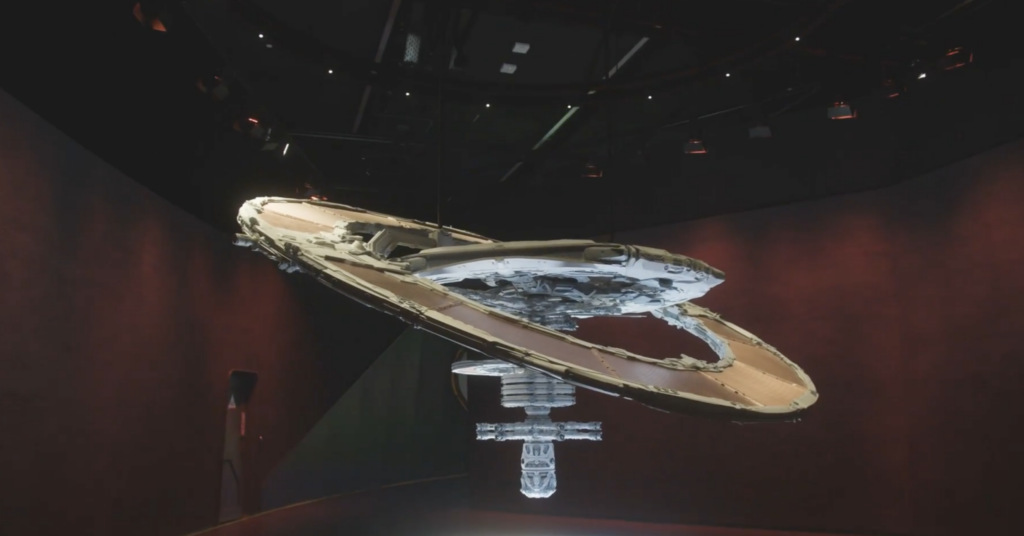
So can you picture yourself aboard one yet? If waiting years and spending millions is not appealing, there is a shortcut.
The Orbital Space Station Hope exhibit sits right here on Earth at Dubai’s Museum of the Future, with replicas of space shuttles and explanations of the technology currently developing above our atmosphere. You can learn how photovoltaic cells on the Moon could beam microwave energy back to Earth, or read about the missions space pioneers will soon attempt.
Same view of our planet, minus the G forces and the space hotel room service bill.
The museum covers far more than space, too.
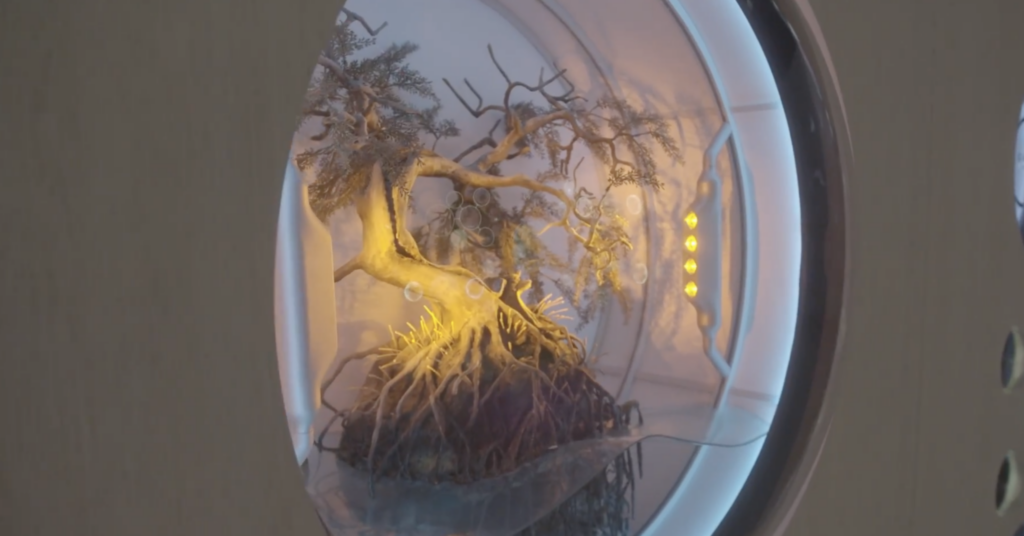
Tomorrow Today displays prototypes of technologies designed to improve life on this planet. Future Heroes lets younger visitors discover their future selves through hands on activities. The Al Waha level teaches you to disconnect from technology and reconnect with yourself. And Vault of Life explores nature through a rainforest ecosystem simulator.
It is a place built for glimpsing the future, touching it, and shaping it. For space enthusiasts, the museum also intends to operate as an incubator where entrepreneurs collaborate on low Earth orbit habitats and whatever comes after them.
Which raises an interesting thought. If private companies can replace the ISS within a decade, how long before someone proposes something genuinely enormous?
Say, a Dyson sphere around the Sun.