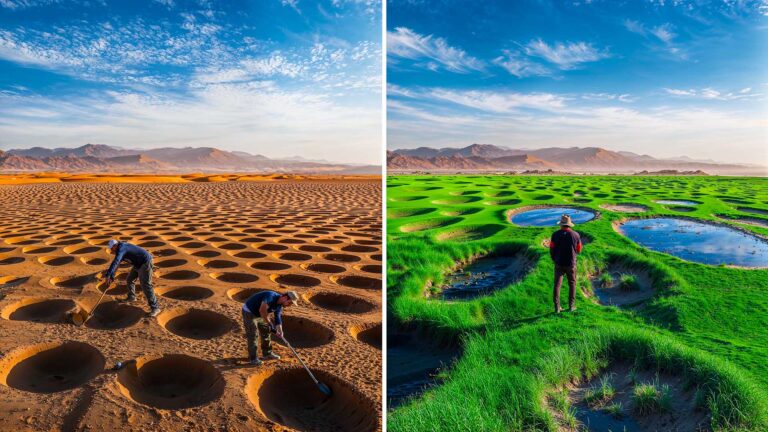
Everyone assumes more trees means a cooler planet. Plant enough of them and the temperature comes down.
The Sahara might prove that assumption wrong in the most inconvenient way possible.
Because sand reflects sunlight, and forests absorb it. Cover the largest hot desert on Earth in green and you could pull down carbon levels while pushing local temperatures up.
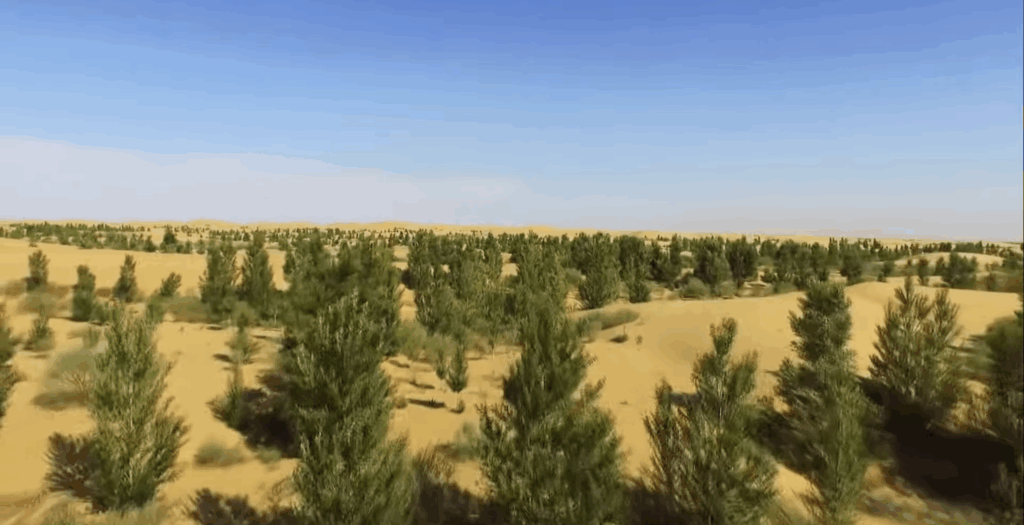
The vision itself is spectacular. Endless dunes transforming into lush tropical landscape, a project capable of reshaping the planet in ways that are both miraculous and alarming.
Done properly it could fight global warming by absorbing carbon and shifting rainfall patterns. Done carelessly it could disrupt ecosystems and trigger climate changes nobody predicted.
Two Paths for a Green Sahara
One ambitious approach would replace the desert with forest, covering its 9.8 trillion square meters in drought tolerant trees surviving on roughly 500 millimeters of water annually.
Over time that could create a subtropical climate absorbing carbon, supporting wildlife, and allowing medicinal and food plants like aloe vera, passionflower, and cannabis to grow.
The scale is unprecedented, though, and a project that size could displace local communities and native species. A more realistic version mixes forest, farmland, and grassland, balancing human use against ecological stability.
The Water Problem
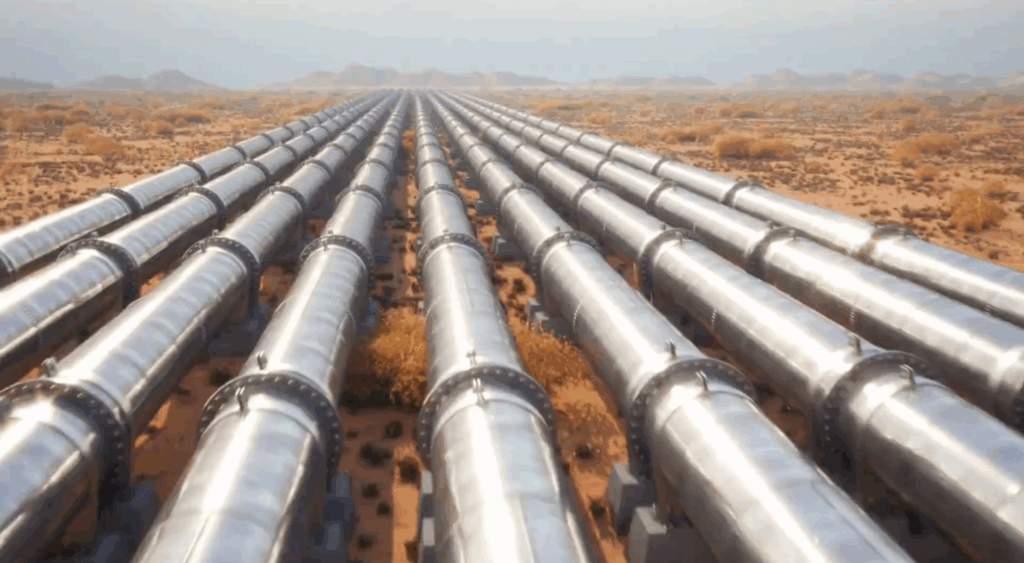
Water is the obstacle that dwarfs everything else. A fully forested Sahara would need about 4.9 trillion cubic meters per year, which is more than the entire world currently consumes.
Underground aquifers could cover it temporarily, but they would likely run dry within 30 years, threatening supplies for countries including Sudan, Libya, and Egypt.
Seawater desalination offers an alternative, requiring enormous plants, pipelines, and energy infrastructure at costs potentially reaching trillions of dollars. Solar power harvested from the desert itself could supply the energy, though long term success would demand global cooperation and careful management.
10 Years
The first decade would be construction. Desalination plants built along the coasts, pipelines mapped out, and soil prepared for vegetation.
Early planting would happen near the ocean where water access is easiest, alongside small farms and experimental forests testing whether plant life can be sustained at all.
20 Years
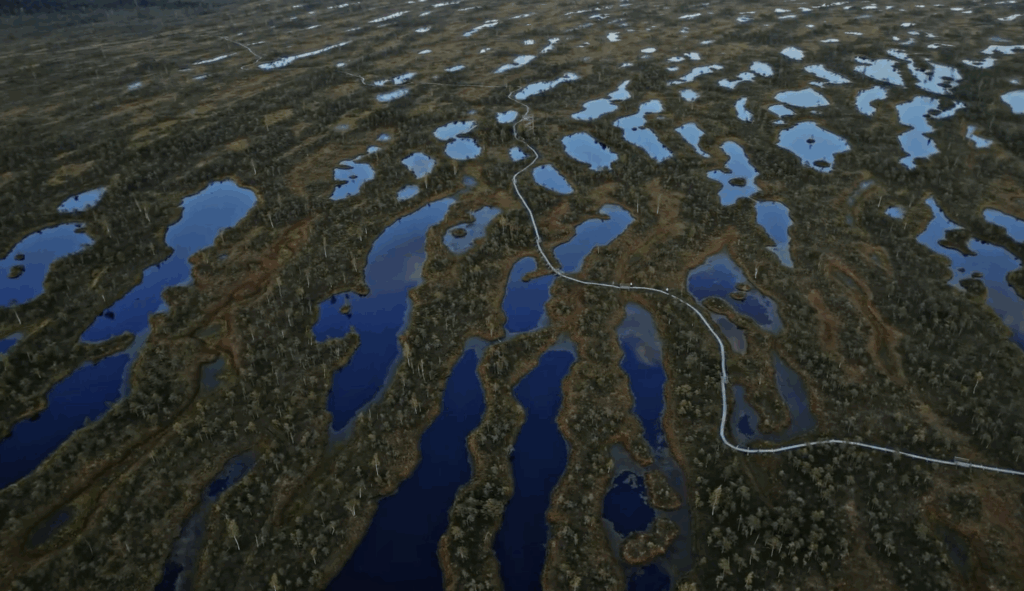
The water network would push deeper inland, with trees, farmland, and grassland spreading gradually, transforming the soil and starting to influence rainfall.
New forests would begin capturing carbon, though that only helps meaningfully if global emissions are falling at the same time.
50 Years
Half a century in, the Sahara could be genuinely green. And this is where the trap springs.
Forests and grassland absorb far more sunlight than pale sand does, which could raise local temperatures even as carbon levels drop. Greening the desert and cooling the planet turn out to be two different goals.
Managing that would require constant monitoring and adjustment to hold the balance between greening and overheating.
100 Years and Beyond
Maintained properly, the region could stabilize as a thriving subtropical zone where forests, fertile farmland, and diverse ecosystems coexist.
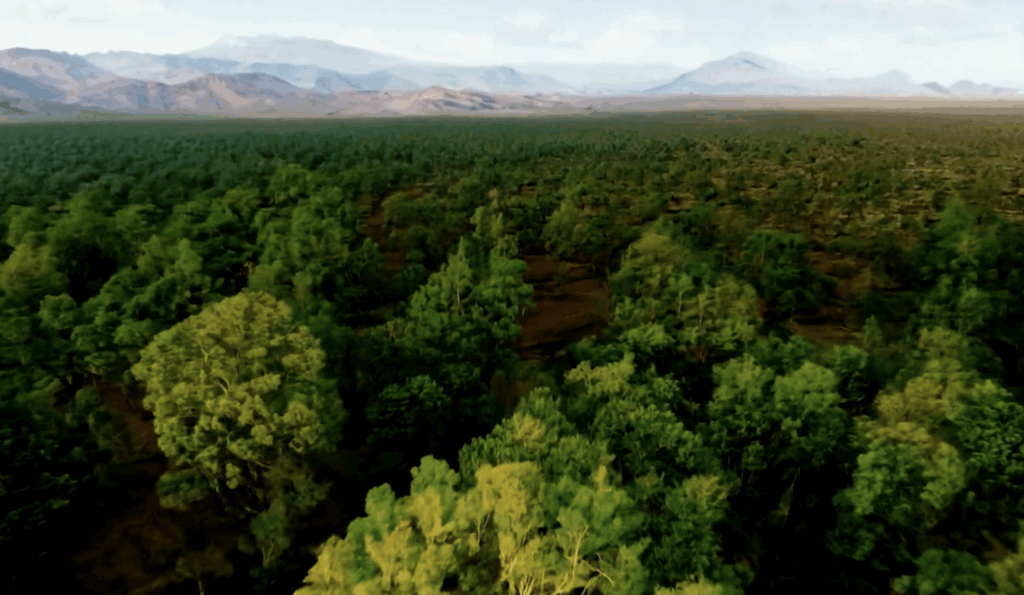
Millions of jobs could emerge from construction, maintenance, and agriculture, echoing existing efforts like the Great Green Wall of Africa, with tourism and research adding further economic weight.
But every bit of it depends on sustainable water use, careful ecosystem management, and climate conditions holding steady for a century.
Which is the real lesson buried in this idea. Planting trees is simple. Rebuilding a climate system is not, and the Sahara could end up teaching us that the hard way.