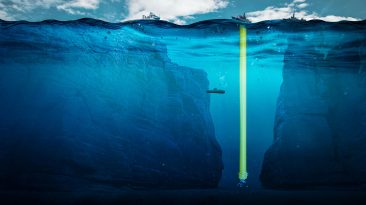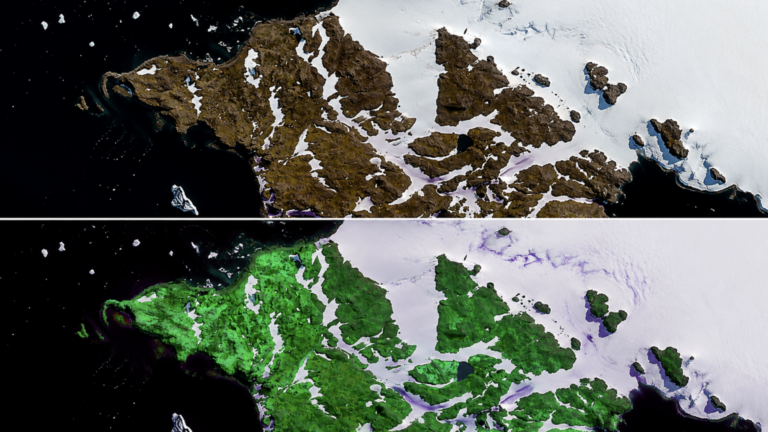
Something is happening beneath Antarctica that most people never think about. Under a sheet of ice larger than Europe sits a hidden landscape of mountains, valleys, and sealed off oceans that nobody has ever seen.
And that ice is starting to give way.
If it disappeared entirely, coastlines everywhere would be redrawn, major cities would vanish underwater, and a continent locked away for millions of years would be exposed for the first time.
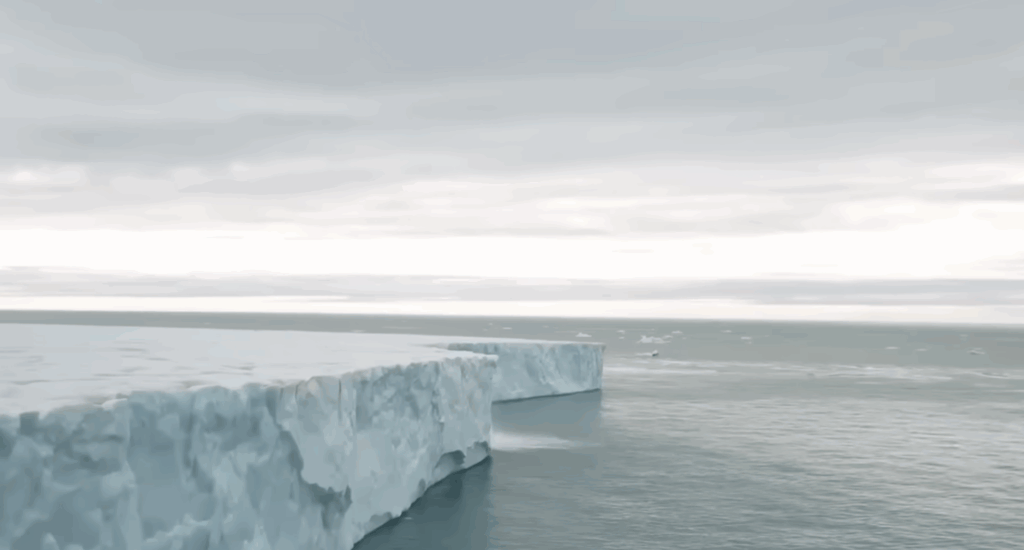
Antarctica surrounds the South Pole and is almost completely buried beneath its ice sheet. Seals, penguins, whales, and a small number of researchers survive around its edges in one of the harshest environments on the planet.
But the important part of Antarctica is not what lives on top of it. It is the ice itself.
The area drawing the most attention is the Thwaites Glacier, an ice flow stretching around 120 kilometers across. Nicknamed the Doomsday Glacier, it already dumps about 50 billion tons of ice into the ocean every year, and scientists warn it could collapse within decades rather than centuries.
If all of Antarctica’s ice vanished in seconds, the effect would be immediate. Sea levels would surge worldwide and coastal cities including San Francisco, Miami, and New Orleans would flood, with water rising by more than half a meter almost instantly.
Thwaites is not melting on its own, either.
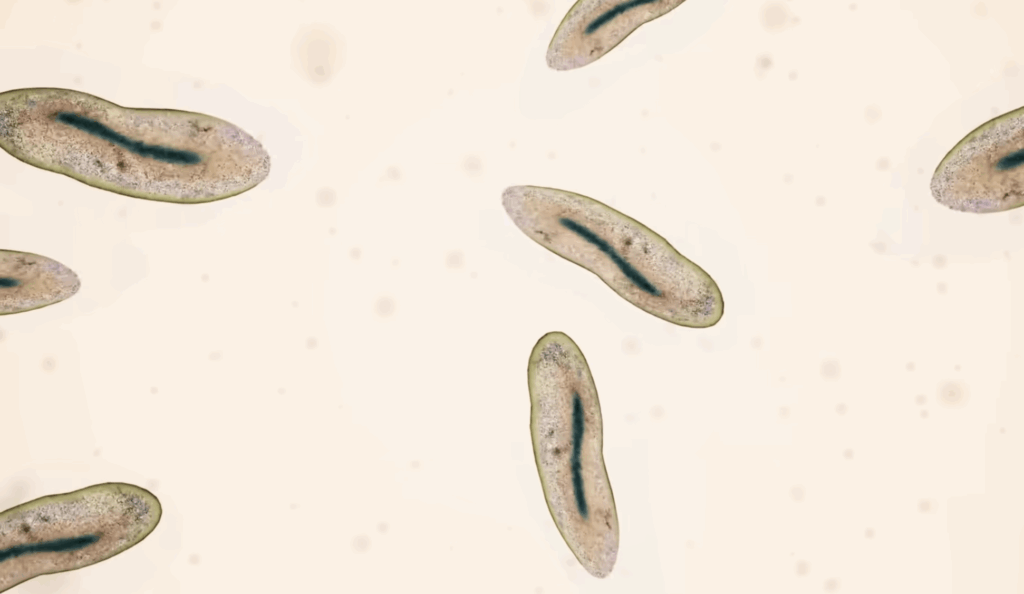
A powerful subglacial river system runs beneath it, driven partly by geothermal heat rising from Earth’s interior. That heat weakens the ice from below, destabilizing it until large sections break away in a cascading collapse.
And Thwaites is only one piece of a much larger hidden world. Around 98 percent of the continent sits on solid land, while sealed off ocean systems still exist deep beneath other sections.
Those isolated waters may hold unusual life, including newly discovered anemones that crawl across the seafloor feeding on plankton, organic debris, and material preserved for millions of years.
The full scale of the ice is difficult to picture. It covers roughly 14 million square kilometers, averages about two kilometers thick, and holds close to 60 percent of all the fresh water on Earth.
Melt it completely and global sea levels rise by more than 70 meters.
Strangely, the effect would not be even. Close to Antarctica, sea levels could actually fall slightly, because the ice sheet loses its gravitational pull on the surrounding ocean. Much farther away, the water surges.

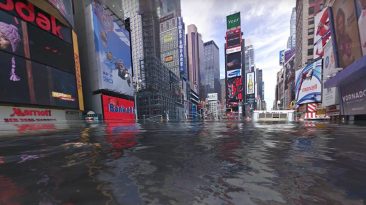
Boston, New York, Miami, Shanghai, and Mumbai would go under. Ports, farmland, and freshwater sources would be overwhelmed, while saltwater intrusion contaminated drinking supplies and destroyed agriculture on a global scale.
The ice holds something else too. Ancient bacteria are trapped inside it, some potentially carrying traits like antibiotic resistance that could create public health problems nobody is prepared for.
Those same microbes could also be scientifically valuable, preserving biological information that might lead to new antibiotics or advanced biodegradable materials, and helping researchers understand how life survives in extreme conditions.
Then there is the ocean itself. Melting glaciers do not simply raise sea levels, they interfere with global circulation.
Normally dense salty water sinks while warmer surface water rises, driving a conveyor belt that moves heat and nutrients around the planet. Flood that system with fresh water and the circulation slows or stops entirely.
In extreme cases, the disruption could trigger regional cooling resembling small scale ice age conditions in certain areas, while shifting nutrient flows caused enormous phytoplankton blooms around Antarctica before the ecosystem settled.
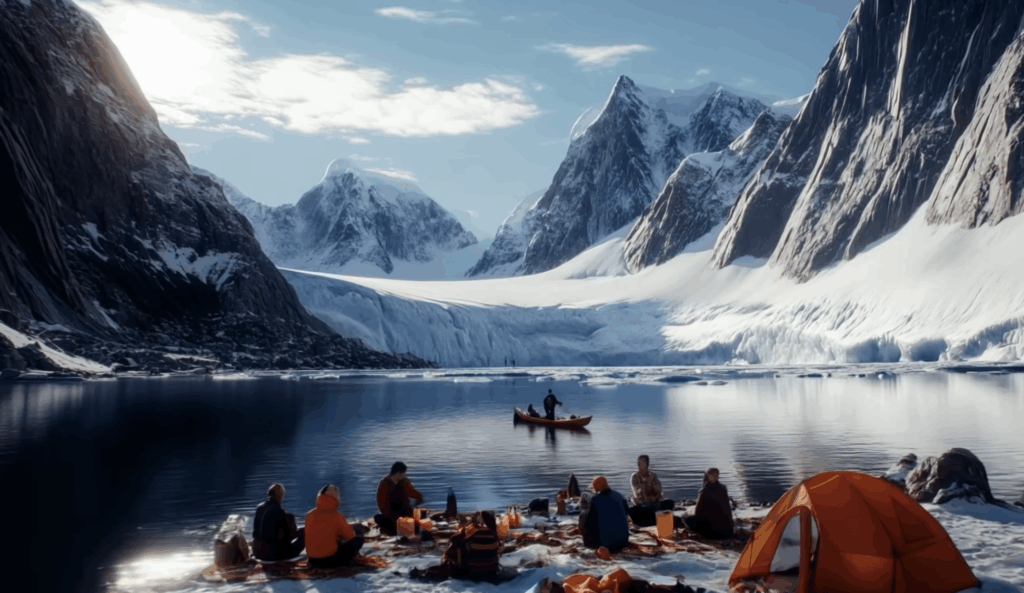
Strip the ice away and the hidden continent finally appears: canyon systems rivaling and exceeding the Grand Canyon, and deep subglacial lakes such as Lake Vostok, sealed off for millions of years.
Entire ecosystems that evolved in complete isolation would suddenly meet the outside world. That would rewrite parts of our understanding of biological history, while raising real concerns about exposing modern life to organisms it has never encountered.
For the people living through it, the numbers are harsher. More than 3 billion people live in coastal regions, and a sudden melt would take their cities, homes, and infrastructure almost instantly.
Clean drinking water would grow scarce as coastal urban centers disappeared. Inland regions would become essential refuges, and the displacement of that many people would drive humanitarian crises and geopolitical tension worldwide.
Even after the ice is gone, one more threat waits. Permafrost frozen for tens of thousands of years holds enormous stores of carbon dioxide and methane, and as it thaws those gases pour into the atmosphere.
That feedback loop would accelerate warming and make temperature rises harder to control, even if human emissions dropped.
Which is what makes the situation genuinely strange. The most remote continent on Earth, the one almost nobody visits, is quietly holding back the future of every coastline on the planet.