Fresh water is running short across the globe, with projections suggesting that by 2025 as much as 66 percent of the world’s population could be facing genuine shortages. Somewhere along the way, though, there is actually a reliable source of water sitting quietly in nearly every bathroom, the toilet. What would that water actually taste like, what would drinking it do to your body, and could it realistically become something people need to get used to someday?
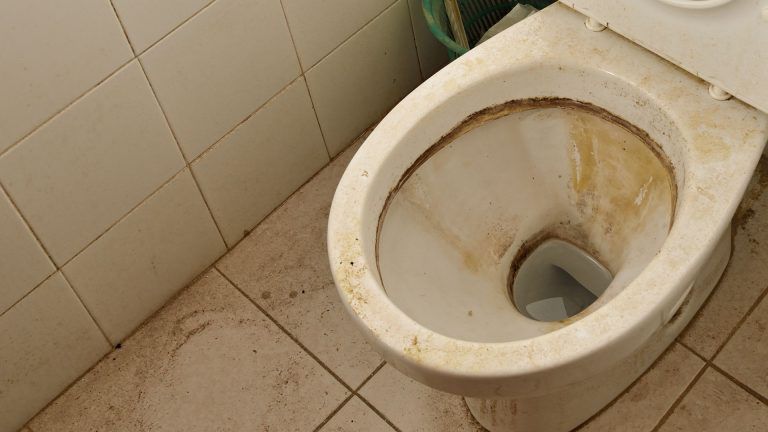
The water sitting in your toilet bowl right after a flush starts out identical to what comes from your kitchen tap. That similarity ends almost immediately, though, since the moment it enters the bowl it becomes heavily contaminated, and not solely from direct contact with waste like feces, urine, or vomit either.
Even water that appears perfectly clear and odorless can harbor something like 10 trillion bacteria, roughly the amount left behind by an average person’s stool according to findings across 11 separate studies. Layer on top of that the various chemical residues from cleaning products used to combat those bacteria, and the picture gets considerably messier.
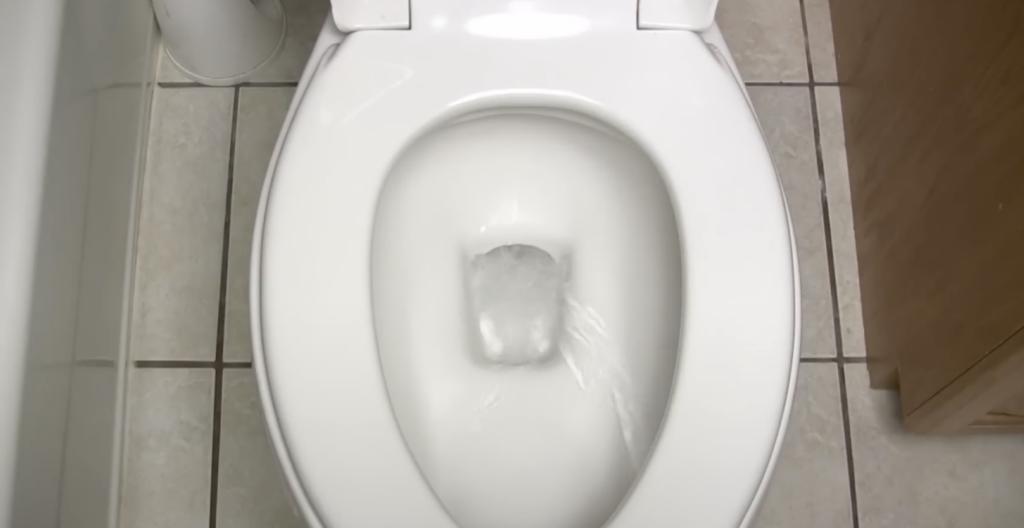
So imagine being completely without any water source except what sits in that bowl. Should you drink it anyway? Simply put, no. Flushing does not eliminate every dangerous organism lurking in the water. If desperation truly took over, boiling would be your safest option to kill off some bacteria, or you could gamble on the toilet somehow being entirely unused and pristine. Otherwise, expect violent stomach cramps alongside explosive vomiting and diarrhea shortly after.
Many of the parasites and bacteria commonly found in toilet water can trigger fever, bloating, and stomach pain, with symptoms typically appearing within roughly 15 hours of exposure and potentially lingering for up to 70 hours, leaving you severely dehydrated in the process. Ironically, you would not want to reach for more toilet water afterward to rehydrate. Depending on just how contaminated the water was to begin with, things could escalate considerably further.
Blood poisoning is a real possibility, potentially triggering sepsis, a severe inflammatory immune reaction that occurs as your body fights desperately against infection, and one that can prove fatal if left unaddressed.
So why bring up drinking toilet water at all? As it turns out, some populations already do something remarkably close to it, with countries such as Singapore and Australia relying on properly treated wastewater as part of their drinking supply.
This might become a wider norm sooner than expected, given that only about 1 percent of Earth’s fresh water is even accessible, pushing communities to explore alternatives out of necessity. Should an average city recycle its wastewater fully, that process alone could realistically meet around 60 percent of its total water needs, though obviously nobody would be drinking straight from an actual toilet bowl in practice.
Singapore treats its wastewater so thoroughly that the resulting water gets used in industrial applications demanding extremely high purity. Attitudes are shifting elsewhere too. Back in 2004, roughly 63 percent of San Diego residents opposed adding treated wastewater to the city’s drinking supply, yet nearly twenty years later, the city approved a project aiming to purify enough wastewater to supply a third of its drinking water by 2035.