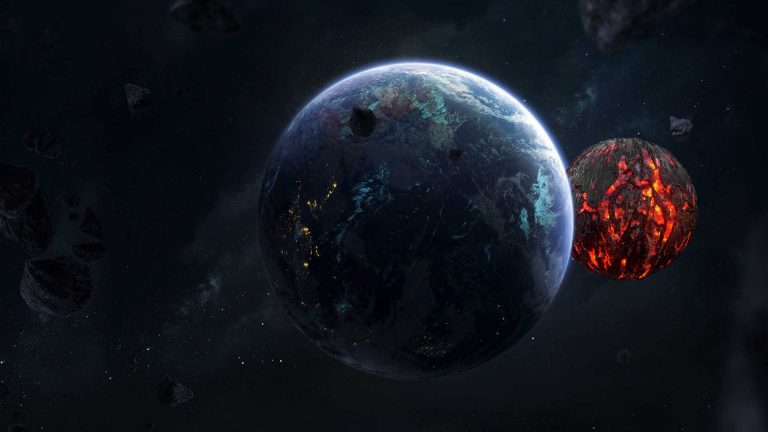
Since the dawn of human curiosity, the Moon has been a constant fixture overhead, quietly pulling at the tides, marking the passage of time, and shaping conditions on Earth in ways most people rarely stop to consider. But suppose it never existed in the first place, no glowing companion lighting up the dark, no rhythmic pull guiding the oceans, just Earth drifting through space entirely on its own.
Making sense of that alternate reality means starting at the very beginning. The leading explanation for how the Moon actually formed is known as the Giant Impact hypothesis, describing a violent collision roughly 4.5 billion years ago between a still forming Earth and a Mars sized body often referred to as Theia. That impact released enough molten debris into orbit that it eventually gathered together into the Moon we see today.
Earth at that point was still in the process of coming together, its surface largely molten rock, continuously reshaped by volcanic activity and repeated impacts. As things gradually settled, the newly formed Moon became central to that stabilization, its gravity locking Earth’s axial tilt at roughly 23.4 degrees, which in turn produced the predictable seasons and relatively steady climate we now take for granted.
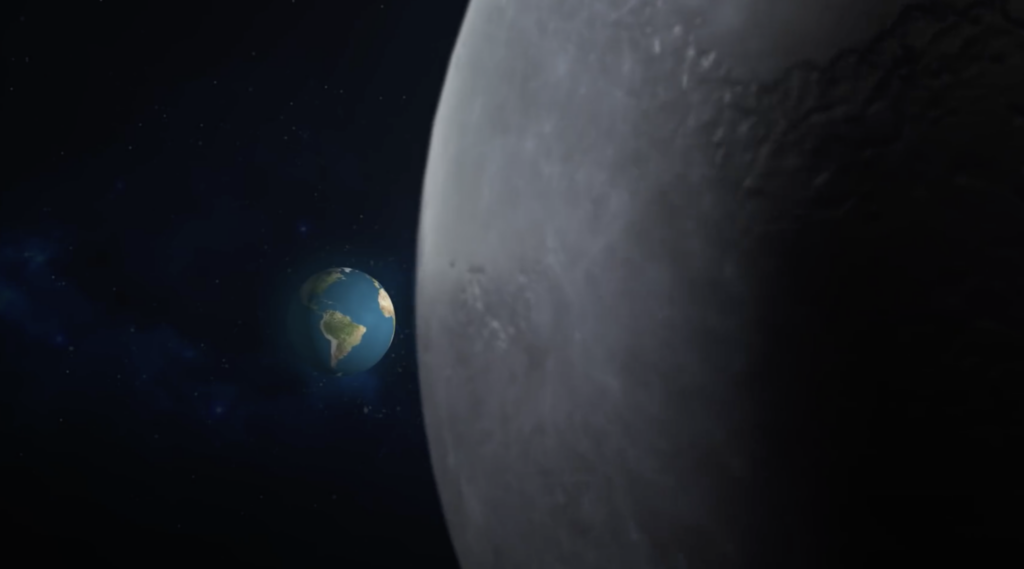
Had the Moon never come into existence, Earth’s early history would have taken a noticeably different path. Gravitational influence from the Sun and neighboring planets would still be present, but without a substantial nearby satellite, the planet would be missing one of its most important stabilizing forces.
One of the first differences would show up in how Earth spins and tilts. Absent the Moon gradually slowing that rotation across billions of years, the planet would spin considerably faster, likely producing days that last only a fraction of the 24 hours we currently experience. That shift alone would reshape weather systems, atmospheric flow, and even the biological rhythms life relies on.
The most noticeable difference, though, would be visible simply by looking up. Nights would grow dramatically darker without moonlight bouncing sunlight back down toward Earth. Venus and other planets would remain visible points of light, but nothing would come close to replacing the Moon’s brightness or its broader influence. Human nights would essentially belong to darkness and starlight alone.
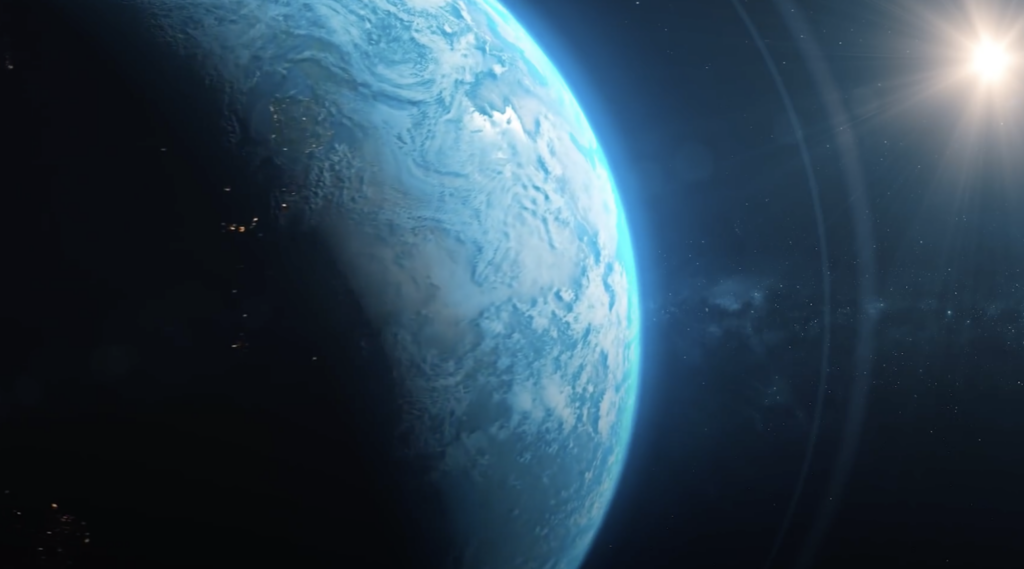
Tides would shift dramatically as well. As the primary force behind Earth’s tidal patterns, the Moon’s absence would leave the Sun as the sole remaining influence, producing tides considerably weaker than what oceans experience today. Coastal ecosystems built around strong tidal rhythms would evolve along an entirely different path, and marine habitats we recognize now might never take the same shape at all.
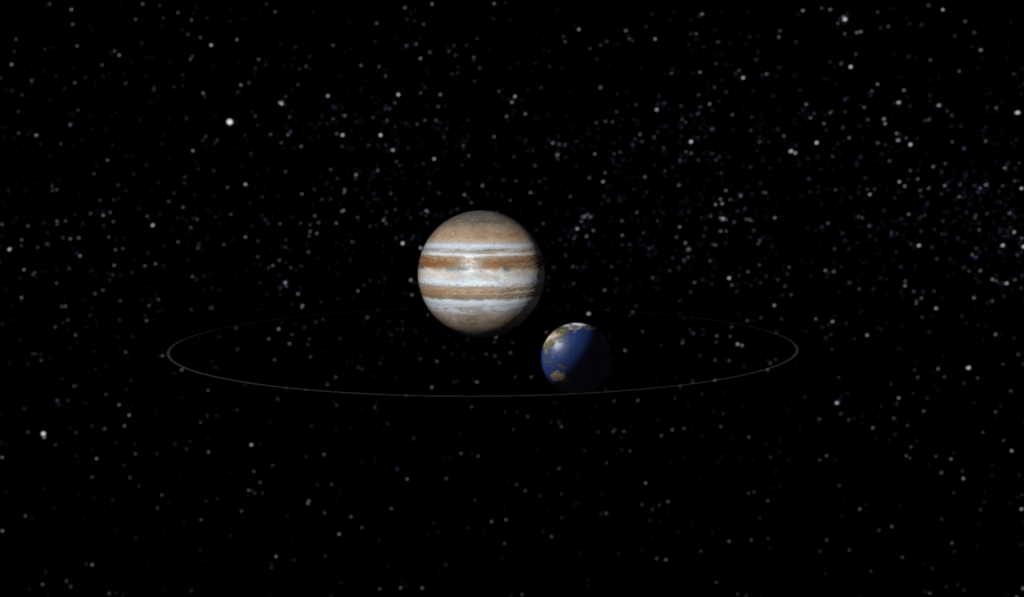
Looking further out across time, the missing Moon could also affect how stable Earth’s axial tilt remains overall. Certain simulations indicate that without a sizable satellite nearby, that tilt could wobble more unpredictably. Gravitational pull from larger planets such as Jupiter might still offer some degree of stabilization, though, keeping the most extreme shifts somewhat in check under the right conditions.
Even with that partial stabilization, climate patterns would likely remain far less consistent overall. Seasons might stop following any reliable cycle, and maintaining long term weather stability could prove genuinely difficult, with ripple effects touching ecosystems, agriculture, and the broader development of complex life across the planet.
None of this necessarily rules out life emerging altogether, according to some researchers. Biology would not be prevented outright, but the conditions shaping its evolution would look quite different, with organisms potentially adapting to shorter days, deeper darkness at night, and environmental cycles that shift far less predictably. Over enough time, that could reshape everything from metabolism to broader behavioral patterns across species.
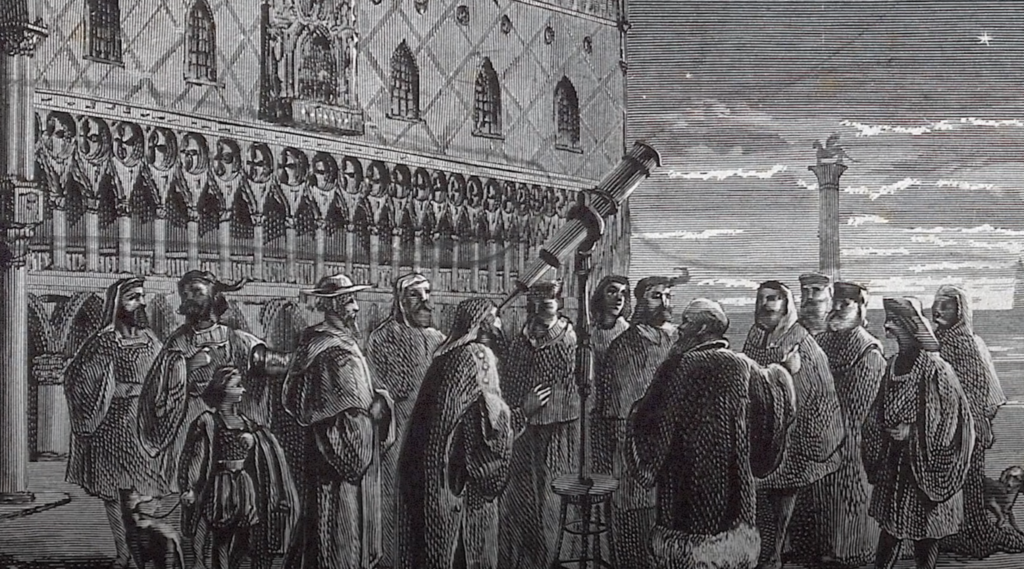
Human history and culture would likely have followed a different trajectory too. The Moon has long played a foundational role in early astronomy, navigation, and how ancient civilizations tracked time. Without it present in the sky, humanity might have arrived at entirely different models for understanding the universe, potentially slowing or redirecting major scientific breakthroughs along the way.
There is also a symbolic dimension worth considering, since the Moon effectively became humanity’s first major destination beyond Earth, fueling ambitions that eventually produced the Apollo missions and the broader Space Race that followed. Without a Moon to aim for, our journey into space might have unfolded far more slowly, or perhaps taken a completely different shape altogether.
A moonless Earth, in the end, would not necessarily rule out life altogether, but it would be a fundamentally different planet in nearly every measurable sense. Its rotational rhythm, the steadiness of its climate, and even the trajectory of human progress would all shift in ways that remain genuinely difficult to predict with any real confidence.
What often looks like nothing more than a simple, quiet object hanging in the night sky turns out to be one of the subtle forces that quietly helped shape the entire world we know today.