Imagine waking up one morning and discovering that a massive corporation now controls your entire city. Your transportation, water, electricity, healthcare, garbage collection, and even some of the apps you use every day could all be managed by the same company.
At first, this might sound convenient. You could use an app to report a pothole, request a repair, or summon a self driving car instead of dealing with slow government services. But what would you have to give up in exchange for that convenience?
As cities continue to grow, technology companies are already exploring ways to make urban life smarter. A corporation with complete control could use artificial intelligence, data, and automated systems to make almost every part of the city run more efficiently.
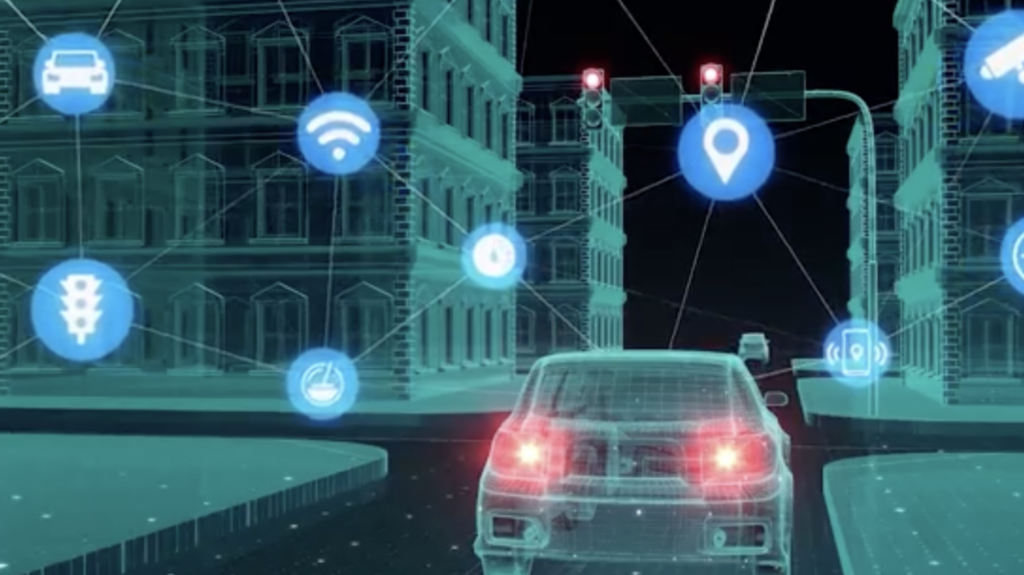
Imagine sidewalks that heat themselves when snow is detected, smart traffic systems that reduce congestion, and garbage systems that charge people based on how much waste they produce. Almost everything could be connected to one enormous digital network.
But giving one company control over an entire city could create serious problems. Democracy could become less important if corporate executives were making decisions instead of elected officials. The mayor could effectively become a CEO, while citizens might be treated more like customers.
Privacy would also become a major concern. The corporation could potentially track where you travel, which services you use, and how you spend your money. That information could help improve the city, but it could also mean losing much of your personal privacy.
Basic services could become another problem. Healthcare, transportation, water, electricity, and other necessities might be treated like products. Wealthier residents could receive better or faster services, while poorer neighborhoods could be left behind.
Artificial intelligence could take control of even more tasks. Self driving cars, automated services, police drones, and AI management systems could reduce the need for human workers. It might make the city more efficient, but it could also make everyday life feel increasingly controlled by machines.
Another possibility would be a city run through a social media platform. Residents could report problems by uploading photos, request services through an app, and receive instant updates. However, the company would have access to enormous amounts of personal information and could use it to influence what people see and buy.

Private contractors could also take over city services. Workers could be rated like rideshare drivers, creating competition and potentially improving service. But if every citizen were also given a rating, one mistake could potentially make life much harder.
There would be one final weakness. A corporation needs to make money. If running the city stopped being profitable, its owners could leave, potentially turning the community into a ghost town.
A corporate city could bring incredible technology, faster services, and new opportunities. But the best solution might be a balance, using technology to make cities smarter while keeping democracy, privacy, and personal freedom in the hands of the people.