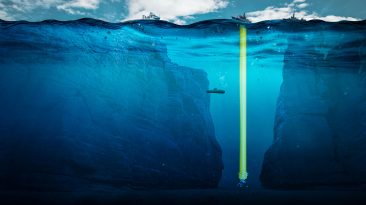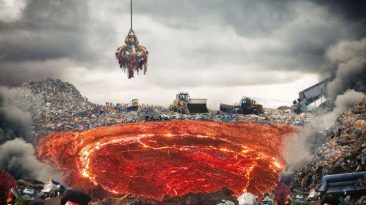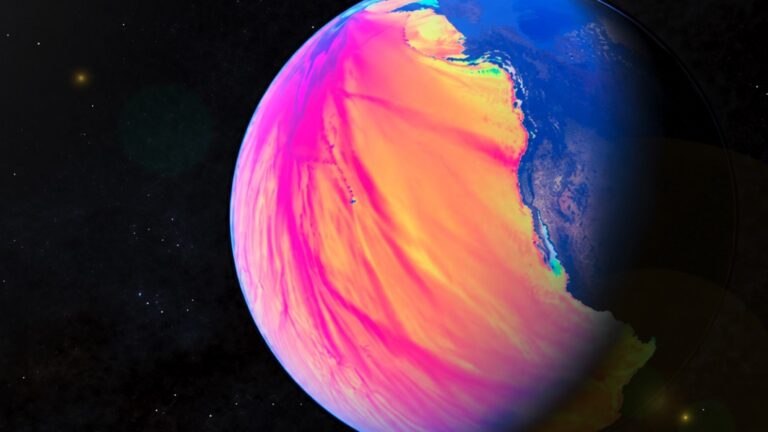
Right now, there are over 400 nuclear power plants operating in 20 countries. Could they be ticking time bombs, potentially rendering entire regions uninhabitable? What if all these power plants exploded at the same time?
Life would become a daily struggle for survival, all while being stalked by an invisible predator. Radiation. The Earth could become a world of exclusion zones, filled with danger and contamination.
You wake up to the sound of a massive explosion. It sounds like it came from the nuclear power plant on the outskirts of town. Is that a mushroom cloud? Why is the air glowing? Little do you know that your life is about to change completely.
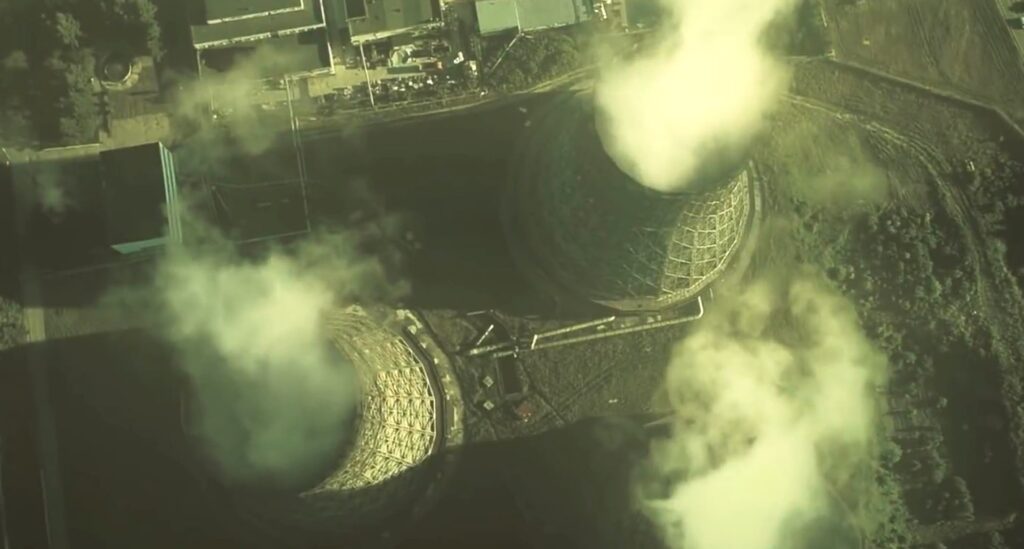
The good news, and we use that term loosely, is that you are not alone. Nuclear power plants around the world have suffered catastrophic failures simultaneously. And you might be wondering whether everyone would be wiped out instantly. Well, no. Unfortunately, this would be a much slower disaster.
Nuclear reactors do not explode like atomic bombs. They use nuclear fission to generate electricity, but their reactions are carefully controlled. An atomic bomb, on the other hand, is designed to release an enormous amount of energy in an extremely short time through an uncontrolled nuclear chain reaction. Although nuclear reactors are not designed to explode like bombs, catastrophic accidents could still release dangerous amounts of radioactive material into the environment.
Life near the affected plants would become extremely dangerous. Many people would need to evacuate immediately, while emergency teams struggled to contain the damage. If the reactor failures were not managed properly, radioactive contamination could spread through the soil and water, threatening the resources people depend on to drink, grow crops, and survive.
Thousands, potentially millions, of people could be at risk of radiation exposure. Depending on the amount of radiation absorbed, some could develop acute radiation syndrome, a serious condition that can cause severe damage to the body’s organs and tissues. Extremely high doses can be fatal within days or weeks, while other forms of radiation exposure can increase the risk of developing cancer years later.
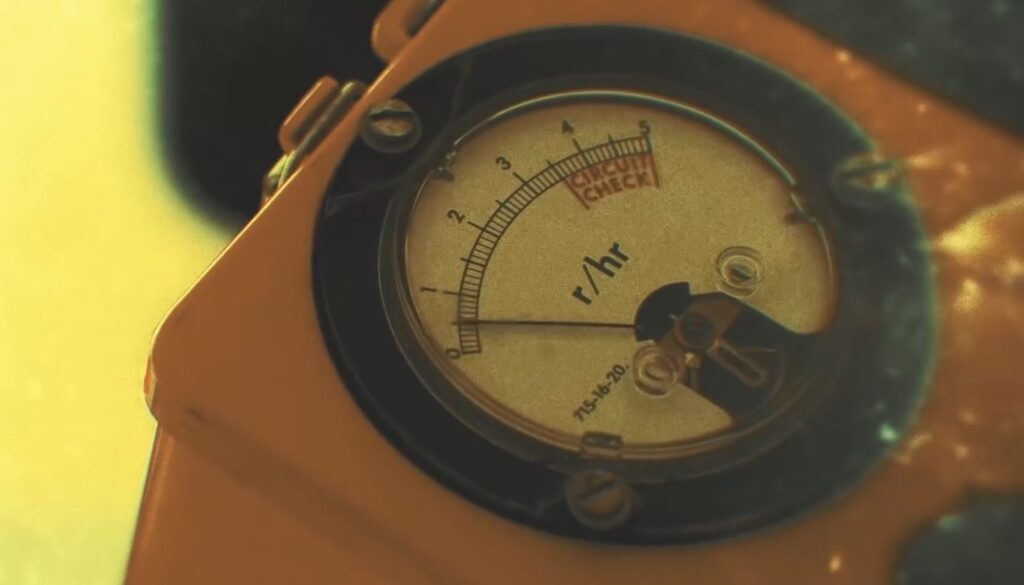
Getting medical help would not necessarily be easy. Hospitals would likely be overwhelmed by the number of people needing treatment, while emergency services struggled to evacuate entire communities and protect those still living near contaminated areas.
The world could also see hundreds of new exclusion zones. Imagine the Chernobyl Exclusion Zone, an area established after the 1986 nuclear disaster, but with serious contamination incidents occurring around the globe. Some radioactive materials can remain hazardous for thousands of years, depending on their half lives and where they spread. For affected communities, returning home might not be possible for generations.
Geography would also play an important role. North America has a large number of nuclear power plants, while Europe is another major region with extensive nuclear power infrastructure. The severity of the consequences would depend on the scale of each accident, the amount of radioactive material released, and how weather patterns carried contamination. Some areas might face severe restrictions, while others could remain relatively safe.
But could anything positive emerge from such a catastrophe? Over time, vegetation could begin reclaiming abandoned cities and industrial areas. Plants would grow through cracks in roads, trees would spread across deserted neighborhoods, and ecosystems could gradually recover in places where contamination levels allowed life to thrive. However, radioactive contamination would not simply disappear because nature reclaimed the land.

Some survivors might eventually build a different kind of society, placing greater emphasis on environmental protection and cleaner energy. Communities could learn from the disaster and develop new technologies designed to reduce pollution and make energy production safer.
Fortunately, the chances of every nuclear power plant in the world suffering a catastrophic failure at exactly the same time are extraordinarily small. Nuclear facilities are designed with multiple safety systems, and a reactor accident does not automatically mean a nuclear explosion. Even so, serious nuclear accidents can have devastating consequences for people and the environment.
Nuclear power produces electricity with relatively low greenhouse gas emissions compared with fossil fuels, but accidents can create long lasting environmental and social problems. Preventing such disasters requires effective safety systems, proper maintenance, emergency planning, and responsible management of radioactive waste.
Ultimately, it should not take a global catastrophe to encourage humanity to develop safer and cleaner ways of generating electricity. Renewable energy sources, including solar, wind, and hydropower, could help reduce dependence on fossil fuels while supporting a more sustainable future.
The question is whether humanity can develop better ways to power the world before a disaster forces us to rethink how we produce energy.