Are you the one hovering around the chef at a bbq? Do you add bacon to every salad? If you’re one to give into your carnivore instincts, it makes you wonder.
What if you only ate red meat? Would you increase your risk of cancer? Are there any nutrients in meat that aren’t in vegetables? And could eating too much meat could affect your memory?
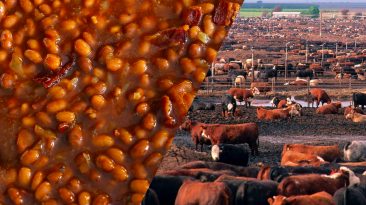
Human’s desire to consume the flesh of mammals is nothing new. In fact, the livestock industry produces 53 billion kg (116 billion lb) of cattle and buffalo meat annually to feed our global appetite. Whether we’re grilling in our backyard, or grabbing fast food on the run, red meat is a staple in most of our diets. But If you were consuming such high amounts of protein every day, how would your body react?
OK, let’s set up some rules. On this diet, we’re only eating red meat. No carbs, no veggies, and only water to drink. If you order a burger, hold the bun, the cheese, and give your friend the fries.
And don’t think about adding salt either. All your nutrients will come from protein. And let’s make one thing clear.
Red meat is meat that comes from a mammal. Despite what the ads told you in the nineties, pork is definitely not “the other white meat.” So go ahead and enjoy your bacon-wrapped steak.
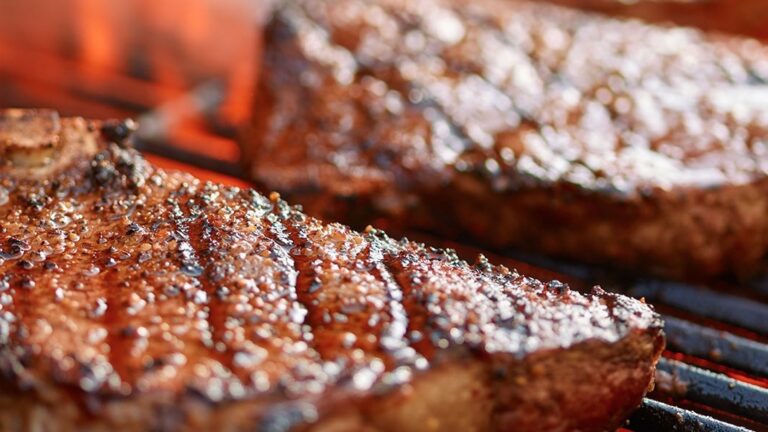
Just try not to burn the meat when you sear it. If you cook red meat at high temperatures, it might trigger the production of compounds that may cause bowel cancer. Burnt or charred pieces could contain more carcinogens, the chemicals that cause cancer.
To reduce the risk, use gentler cooking methods like stewing or steaming. If you grill, you’d need to keep the meat away from the exposed flame and flip it more often to prevent burning.
And you’re going to have to be a bit more selective when ordering out, if you want to stay remotely healthy. Since the World Health Organization classifies processed meats as carcinogenic, you may want to lay off the hotdogs.

A 2019 study published in the International Journal of Epidemiology found that consuming more than 76 g (2.6 oz) of processed or red meat each day increases the chance of developing colorectal cancer by 20%. If you want to stay on this red meat only diet, it’s best to eat free-range, grass-fed livestock.
By reducing your intake of animals that contain hormones, antibiotics, and preservatives, you also reduce the risk of getting cancer. According to a 2011 study by the World Cancer Research Center, eating 50 g (1.8 oz) of processed meat each day creates an 18% higher chance of developing colorectal cancer.
So, stay clear from the frozen food aisle and packaged goods. Fresh red meat contains vitamins like B12 that aren’t in plants. And forget about buying those pricey workout supplements.
Fresh red meat is also rich in creatine and carnosine, so you’d be getting nutrients that promote muscle and brain function. And grass-fed beef is even more nutritious than grain-fed beef, containing plenty of heart-healthy omega-3s.
But without any other source of fiber in your diet, your body could start to go through some painful changes. In the beginning, you’d become constipated and feel intense abdominal pain. Eating only red meat would create a buildup of uric acid, and your body would form kidney stones.
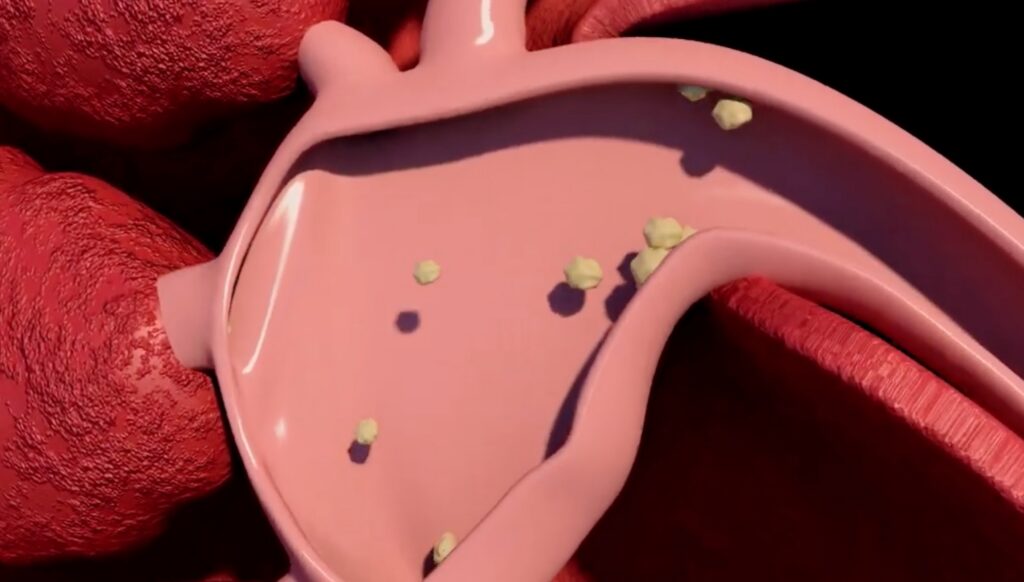
Drinking more water will lower your chance of forming these hard deposits, made from salts and minerals. Another, fairly obvious risk would be your increased chance of heart disease.
The amount of cholesterol in your bloodstream would rise to a dangerously unhealthy level. This growing mass of plaque on blood vessel walls, called atherosclerosis, could lead to a heart attack, or even a stroke.
A 2011 study from the Harvard School of Public Health found that men who ate more than two servings of red meat daily had a 28% higher risk of having a stroke than men who ate about one-third of a serving each day. Add to that, red meat produces a high acidic load that’s difficult for your body to absorb.
You would become a perfect incubator for disease. But this carnivorous lifestyle might help you lose weight. And eating lean meat would reduce your hunger pangs. Your cravings might go down, so you eat less.
Maybe because you’d be sick of meat. Of course, your new menu items won’t be cheap. On average, conventional beef will cost about $11 per 1 kg (2.2 lb). Compare that to the same amount of grass-fed organic beef, which will be about $17.
And although eating well could break your bank, it’s not the biggest price you’ll pay. With the high level of iron building up in your body, you might develop Alzheimer’s disease.
And by limiting your diet to red meat, you wouldn’t be getting the nutrients from plants that help you fight blemishes on your skin. You would increase your chance of getting a disease.
And you’d be more likely to get a cancer that you could have prevented. But nutritional science isn’t perfect or exact. It can take years to fully understand the consequences of diets, so pay attention to what your body tells you. But if you burnt your mouth on your grilled steak, you may want to cool it down.