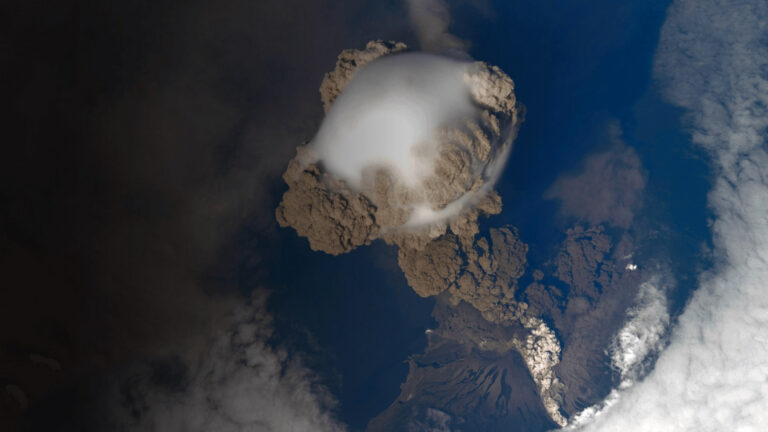
There are 1,500 active volcanoes around the world, many of them found deep in the ocean. Yet, there are only 20 supervolcanoes on Earth. If Mount Everest were one of them, sitting on a giant pool of magma ready to explode, we’d be in serious trouble.
To put this into perspective, the largest eruption on record happened in 1815, when Mount Tambora erupted on the Indonesian island of Sumbawa. At only half the size of Everest, it was once a 4,000 meter tall stratovolcano before collapsing into a 1,109 meter deep caldera. Its eruption sent enormous amounts of volcanic material into the atmosphere.
On the Volcanic Explosivity Index, the 1815 eruption of Mount Tambora earned the highest ranking ever recorded, with a VEI 7 classification. The most catastrophic eruptions, ranking at VEI 8, happened thousands or even millions of years ago.
The explosion sent volcanic ash kilometers into the sky, destroying crops and burying entire villages. It triggered earthquakes and possibly large tsunamis. Ash and aerosols released into the stratosphere blocked sunlight, causing temperatures to drop. Food became scarce, and over 100,000 people lost their lives.
So, if Everest happened to be a volcano ready to burst, what would happen?
Despite Everest being a whopping 8,849 meters tall, size doesn’t always matter in the world of volcanoes. It’s what’s inside that counts. Deep below the Earth’s surface is a magma chamber waiting to send molten rock skyward. It’s hard to say how big Everest’s magma chamber might be, but it would have to be enormous to push magma all the way to the surface.
If you happened to summit Everest on this fateful day, you would be vaporized in seconds. Giant chunks of burning rock, also known as volcanic bombs, would be flung outward, crushing villages and burying them in ash. A scorching avalanche would decimate everything in its path.
All five countries surrounding Everest, including Nepal, India, Pakistan, Bhutan, and China, would be devastated. Earthquakes would shake the region, and the destruction would extend far beyond the mountain itself. Essentially, this would be very bad news for everyone. But it gets worse.
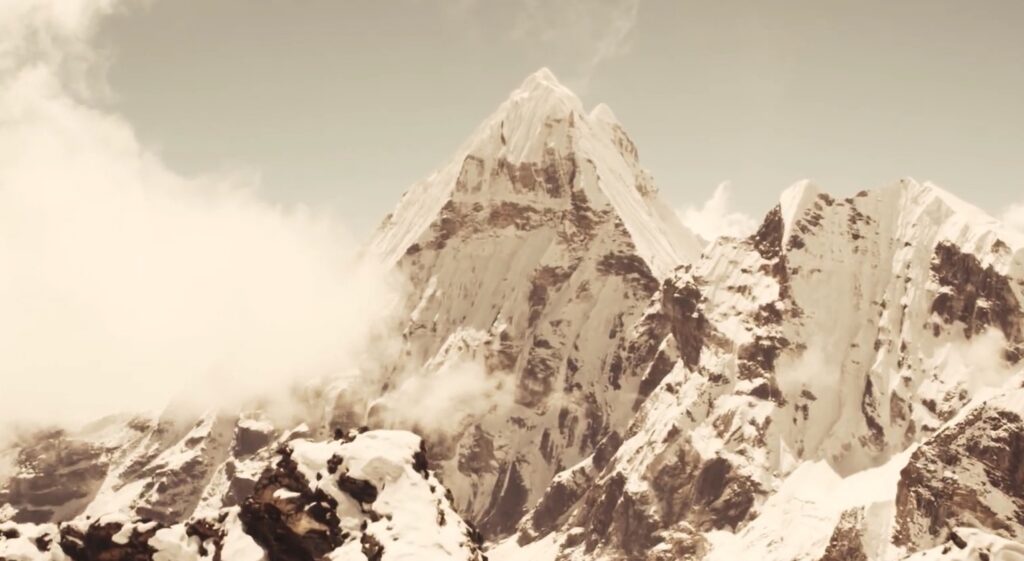
The release of ash high into the stratosphere would block the sun, triggering a volcanic winter that could last for several years. Crops would be destroyed, and the United Nations estimates that Earth could run out of food in just over two months. Any survivors might have to retreat deep into bomb shelters, hoping to find enough supplies to stay alive.
There is some light at the end of the tunnel, though. After about a hundred years, these gases could actually start warming the climate again. But that’s a long wait for a volcanic summer!
If anybody actually survived all of this, climbing Everest would be a whole new experience. The mountain might be reduced to a much smaller, hollowed out caldera, making the climb considerably easier. You could finally check that off your bucket list!
But let’s rewind. What if we knew Everest was going to explode? What could we do?
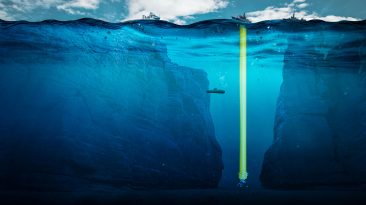
As it turns out, NASA has an almost $4 billion solution. It would involve drilling a series of wells around the perimeter of the volcano and sending ice cold water down toward the magma chamber. This would form a protective ring of cool rock, potentially helping prevent a catastrophic eruption. As the water heats up, NASA could extract it at the surface to generate electricity. Talk about a win-win!
Mind you, drilling in a sensitive area could actually trigger an eruption, which would be the biggest facepalm in the history of humanity.
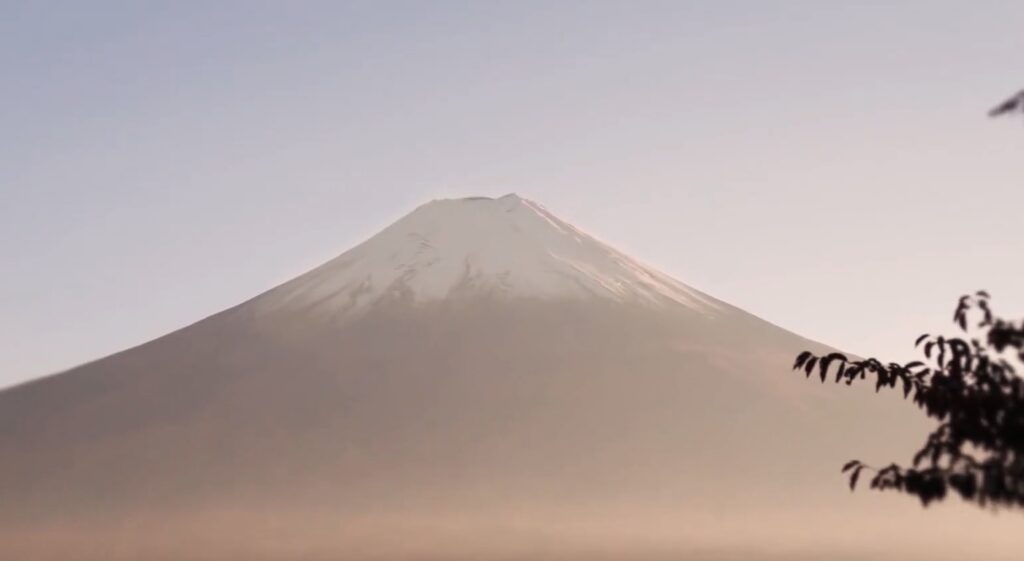
Just to put you at ease, Everest is not a volcano and will never erupt. Sherpas and climbers will stay in business for a long time. However, there are a number of supervolcanoes on Earth that continue building pressure. These eruptions are extremely rare, and increasing pressure doesn’t always trigger a volcanic event. Unlike earthquakes, volcanoes are much harder to predict.
With that said, Yellowstone, America’s famous supervolcano, is supposedly overdue. But that’s a story for another What If.