A tornado already flings debris up to 65 kilometers from where it forms. Now change what it is picking up.
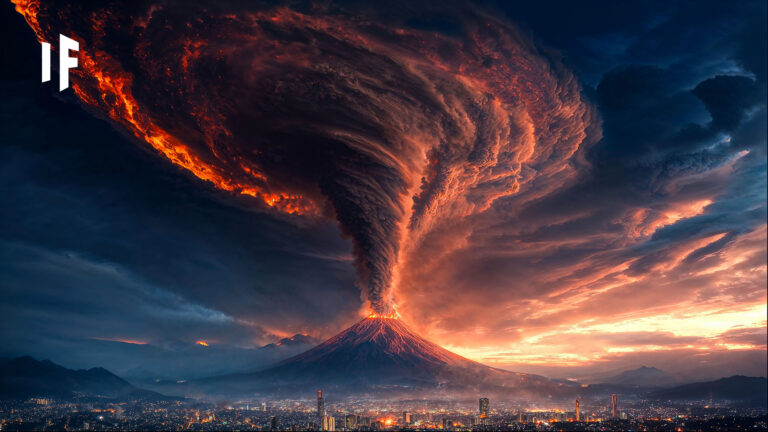
Instead of roof tiles and fence posts, imagine molten rock, superheated ash, and shattered volcanic glass, all spinning inside a column of wind moving at 200 km/h.
That is what happens when a tornado passes over an erupting supervolcano, and nothing on the ground would survive it.
The collision is extraordinarily unlikely, which makes it a useful thought experiment rather than a warning. Here are seven things about what these two forces could do together.
Tornadoes Are Deadly Spinning Columns of Air
A tornado is a vertical column of air running from a thunderstorm down to the ground. Average ones travel at 48 km/h, while the most powerful, classified EF5, reach 320 km/h.
Those winds hurl debris as far as 65 kilometers, uproot trees, and flatten neighborhoods. Most cover about 10 kilometers before dissipating, and that short lifespan does nothing to reduce the damage.
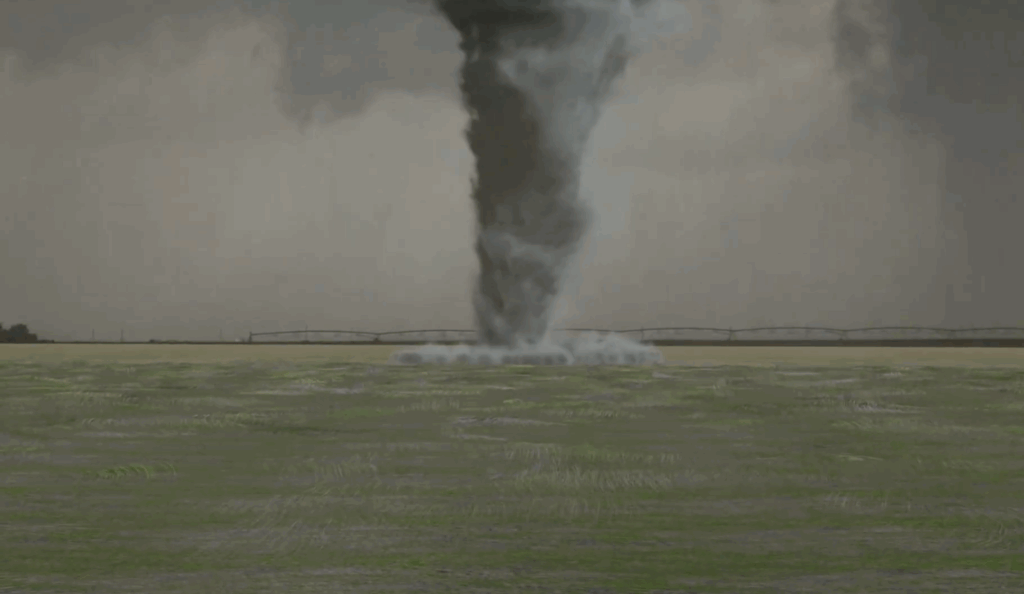
They also create extreme pressure differences capable of imploding buildings, turning ordinary landscapes into unrecognizable wastelands within minutes.
Supervolcanoes Dwarf Ordinary Volcanoes
Supervolcanoes release thousands of times more energy than standard eruptions. Yellowstone, which erupted 2.1 million years ago, would bury nearby states under a meter of ash.
That ash is shattered rock and glass. It destroys plants, kills animals, collapses roofs, and disables electrical systems across thousands of kilometers.
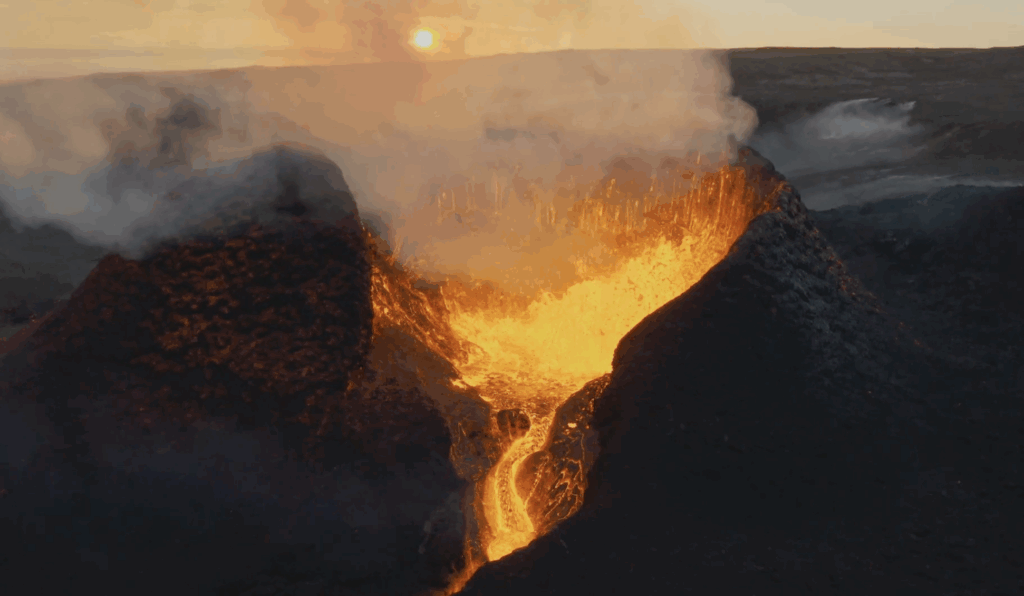
The eruption would also block sunlight and potentially trigger a volcanic winter, leaving survival dependent on evacuation or secure shelter as the surrounding environment turned uninhabitable.
A Weak Tornado Would Barely Matter
Here is the surprising part. An average speed tornado passing over a volcano would likely dissipate quickly with minimal effect.
Strength changes everything. An EF3 carrying 200 km/h winds could lift lava and molten rock into the air, creating a vortex of scorching debris.
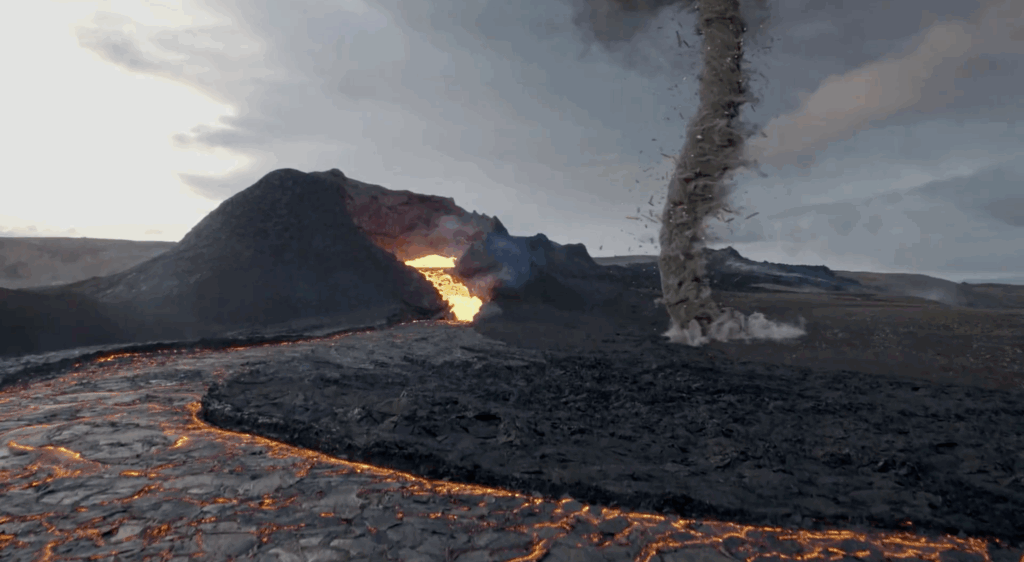
The combination of heat and high velocity material would incinerate vegetation instantly. Even scientists observing from a distance would be at extreme risk, since no protective equipment handles that heat and that force simultaneously.
Super Outbreaks Could Spread the Destruction
A super outbreak is a series of violent tornadoes sweeping across land at once. Near an erupting supervolcano, each funnel could draw up ash, molten droplets, and rock.
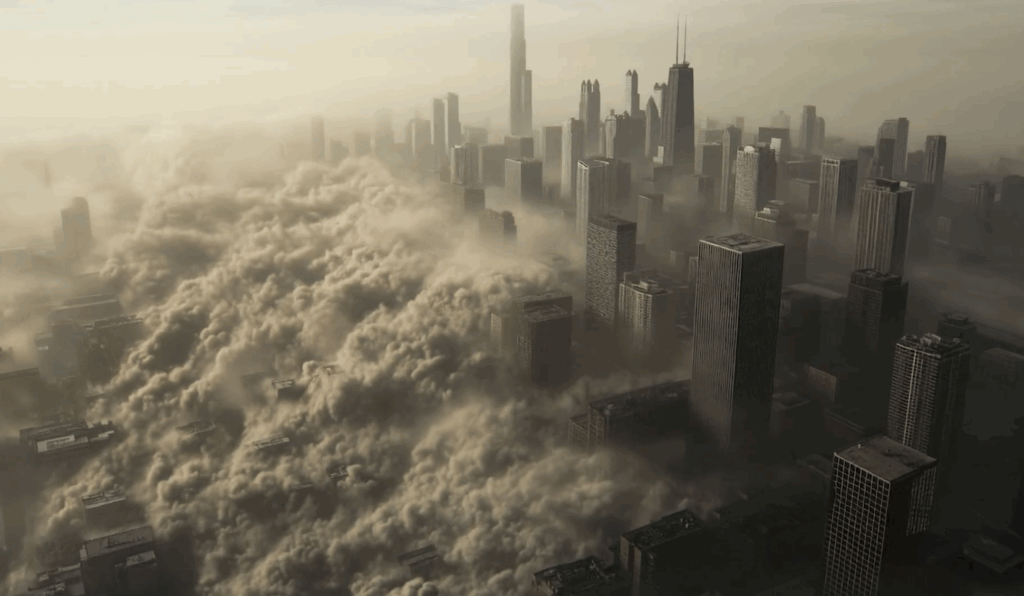
The destruction would then travel far beyond the volcano itself, carrying debris hundreds of kilometers and turning areas previously considered safe into danger zones. Fire, wind, and molten rock together would reshape entire landscapes within hours.
Fire Tornadoes Form From Eruptions Already
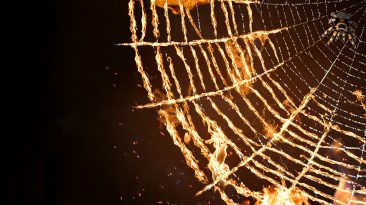
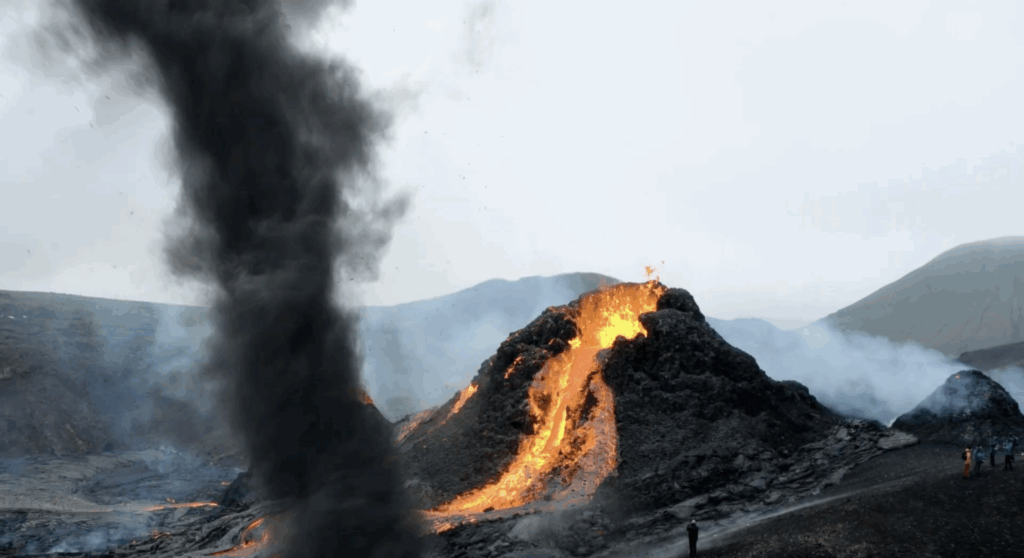
Fire tornadoes are spinning columns of flame, heat, and gas. They form when molten volcanic particles ignite forests, or when intense volcanic heat drives columns of rising air.
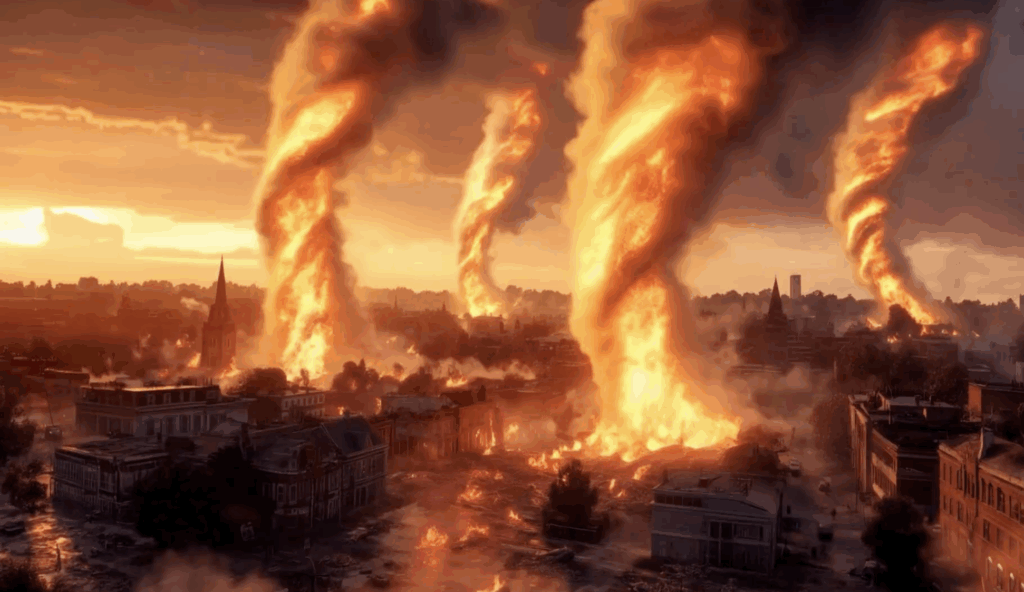
This is not hypothetical. The eruption of Iceland’s Little Ram volcano in 2023 produced one.
They reach temperatures hot enough to melt metal and generate their own localized wind systems. Anyone caught inside one faces near certain death from the combination of heat, speed, and flying embers.
These Collisions Are Extremely Rare
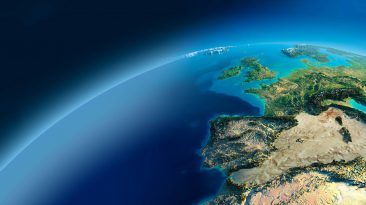
Tornadoes form over flat plains while volcanoes sit in mountainous regions, which keeps them apart almost everywhere on Earth. Italy is one of the few places both could theoretically occur.
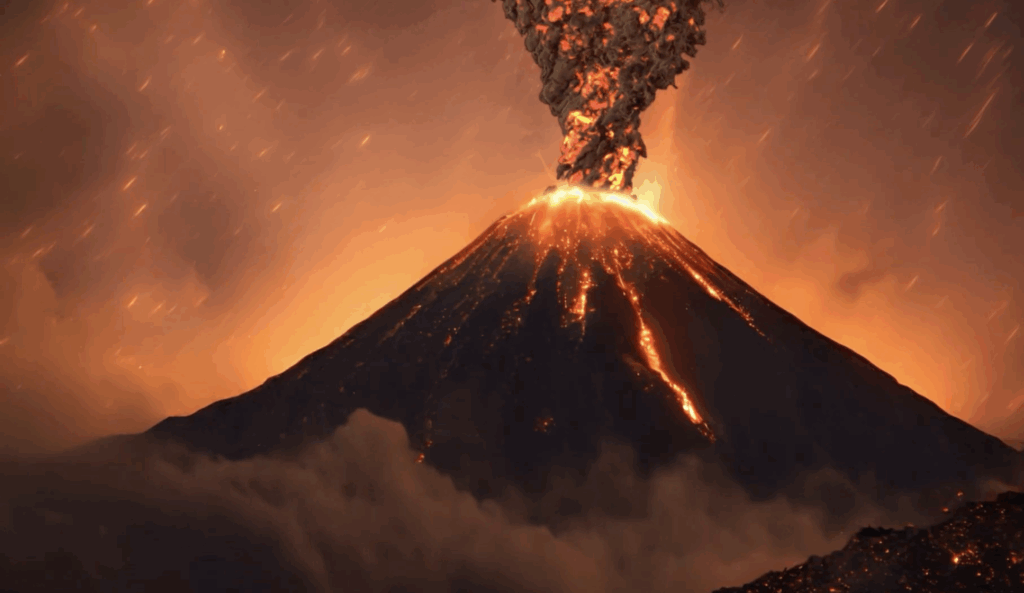
Scientists have never recorded a single instance. Studying the scenario still matters, because it maps the outer limits of what natural disasters can do.
Hurricanes and Volcanoes Have Already Met
Tornadoes may never manage it, but hurricanes have. In 1991, Mount Pinatubo erupted in the Philippines while a typhoon passed nearby.
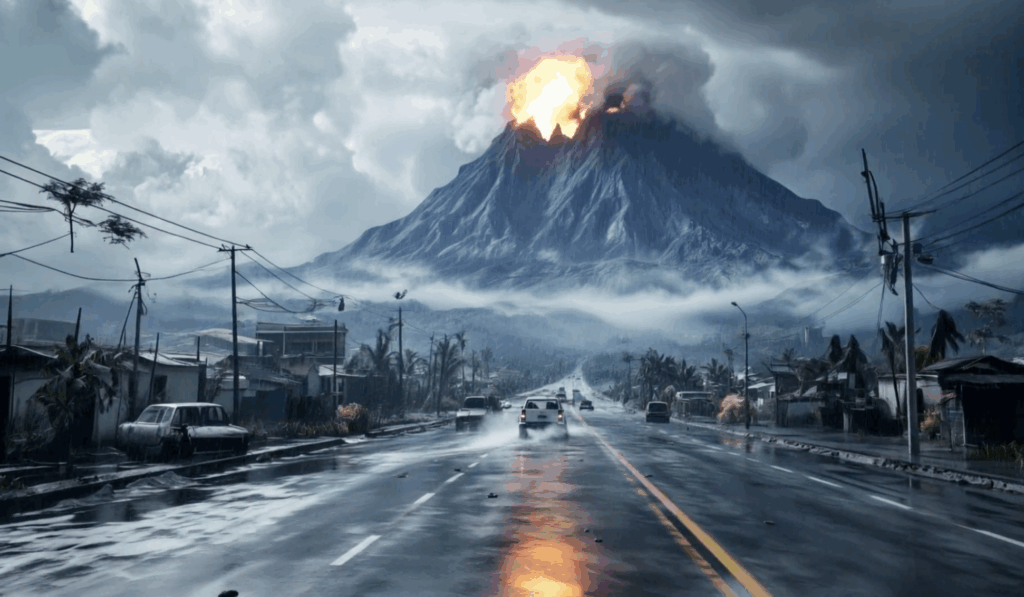
Heavy rain mixed with volcanic ash, collapsing roofs and destroying 50,000 homes. Around 850 people died, though the typhoon did wash away harmful gases that could have damaged the ozone layer.
That event proved disasters can amplify each other, and it is why scientists keep studying these interactions. Because the improbable version, wind full of fire and molten rock, is only improbable until the geography lines up.