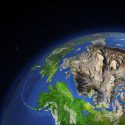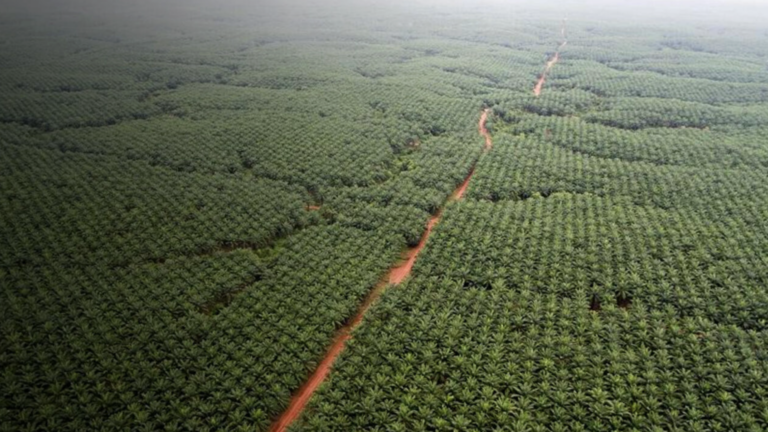
Imagine landscapes across the world suddenly filled with people planting trees. Fields, hills, damaged forests, and abandoned land would become part of the largest reforestation effort humanity had ever attempted. The target would be almost impossible to comprehend: one trillion new trees.
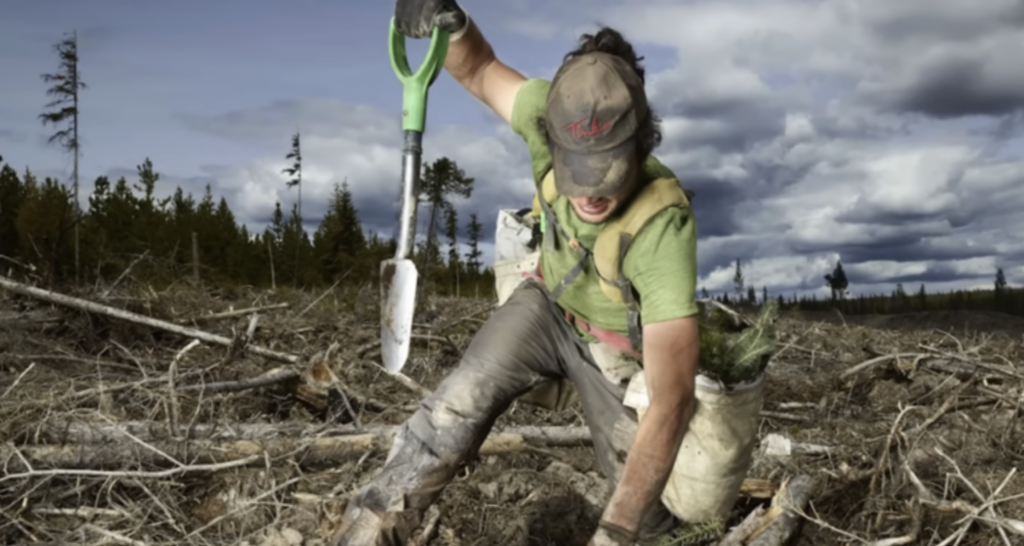
For an individual worker, planting trees is exhausting and repetitive. Thousands of people would have to work together for years, supported by machinery, drones, transportation networks, and careful environmental planning. Yet the potential reward would extend far beyond creating greener scenery.
Trees are among nature’s most important tools for managing carbon dioxide. As they grow, they take carbon from the atmosphere and store it inside their trunks, branches, roots, and surrounding soil. Forests also provide shelter for wildlife, protect soil from erosion, and help maintain healthy water systems.
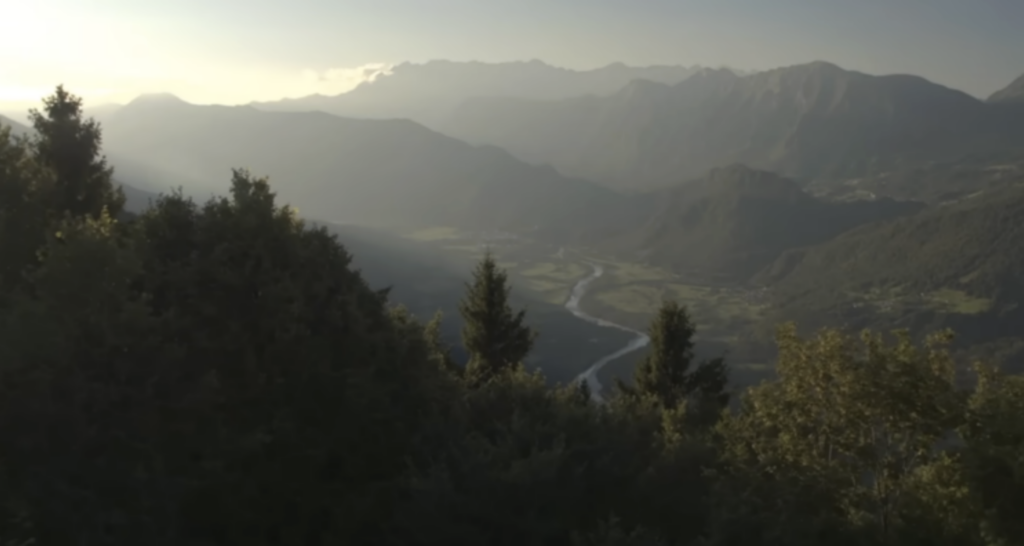
A trillion additional trees could therefore produce major environmental changes, although those effects would take time. Young seedlings absorb relatively little carbon, while mature forests can store much larger quantities. The greatest climate benefits would likely appear decades after the planting campaign began.
The landscape itself could eventually become almost unrecognizable. Areas that were once damaged or heavily degraded could develop into forests, creating new habitats and connecting ecosystems that had previously been separated.
Wildlife would benefit from these changes. Birds could gain nesting sites, insects could find new food sources, and mammals could move through larger connected habitats. Restored forests could also provide important corridors for species struggling with habitat fragmentation.
However, planting one trillion trees would not mean putting trees everywhere. Some regions naturally support grasslands, wetlands, deserts, or other ecosystems, and replacing them with forests could actually cause environmental damage.
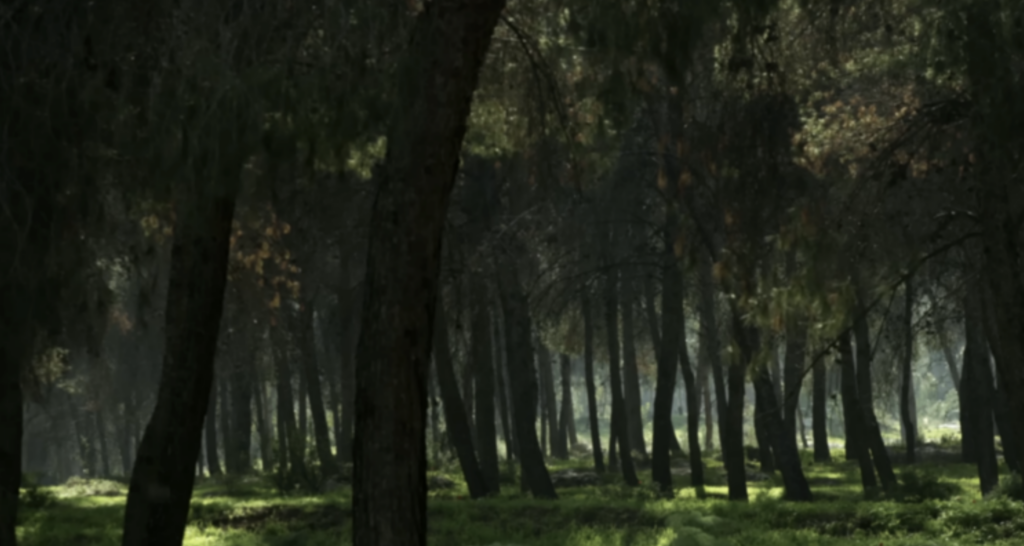
Choosing suitable locations would therefore be essential. Scientists would need to consider rainfall, soil conditions, native species, existing wildlife, and historical vegetation before deciding where new forests should be established.
Water could create another difficulty. Newly planted trees require moisture while developing their root systems, so massive planting programs in dry areas could place additional pressure on local water supplies.
Modern technology could make the project more manageable. Drones can distribute seeds across difficult terrain, satellites can monitor forest growth, and computer systems can analyze environmental information to identify promising restoration areas.
Still, planting trees would only be the beginning. Young forests would need protection from wildfires, pests, disease, invasive species, drought, and illegal logging. Without long term management, many newly planted trees could disappear before reaching maturity.
If the forests survived, their benefits would extend well beyond climate protection. Trees could stabilize soil, protect rivers, reduce erosion, provide shade, support pollinators, and create habitats for countless species.
The project would also have limitations. Forests cannot absorb unlimited amounts of carbon, and they cannot replace the need to reduce greenhouse gas emissions from transportation, electricity generation, industry, and other sources.
The biggest impact would come from combining both strategies. Humanity could reduce emissions while restoring forests and protecting ecosystems that already store enormous amounts of carbon.
A trillion trees would therefore represent more than an impressive number. It would be a decades long transformation that could reshape landscapes, restore wildlife habitats, and make large parts of the planet noticeably greener.
At first, the change would be almost invisible. Tiny seedlings would cover enormous areas, but decades later, many could become mature forests. If enough of them survived, future generations could inherit an Earth that looks dramatically different from the one we know today.