For as long as humans have looked toward the stars, one question has remained unanswered: how did life begin? Scientists have searched for clues in Earth’s ancient rocks, oceans, and chemistry, but another possibility suggests the answer may not have started on our planet at all.
What if the first ingredients of life arrived from the depths of space? What if Earth was not the birthplace of life, but the place where it finally began to grow?
This idea is known as panspermia. It suggests that microorganisms, or the chemical ingredients needed to create life, could have traveled across space and reached Earth on asteroids, comets, or other cosmic objects.

The concept may sound impossible, but scientists know that space is filled with the same basic elements needed to create life. Water, carbon based molecules, and complex organic compounds have been discovered throughout the universe.
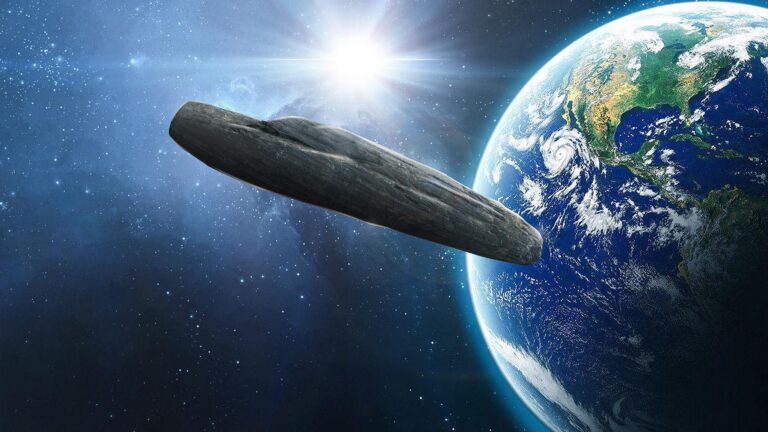
One discovery that increased interest in this idea was Oumuamua, an unusual object that passed through our Solar System in 2017. It was the first confirmed visitor from another star system, and its strange shape and movement led scientists to study whether objects traveling between stars could transport material across the universe.
While Oumuamua itself was not proven to contain life, it showed that objects from distant solar systems can travel through space and eventually reach other worlds.
The biggest question is whether anything alive could survive such a journey.
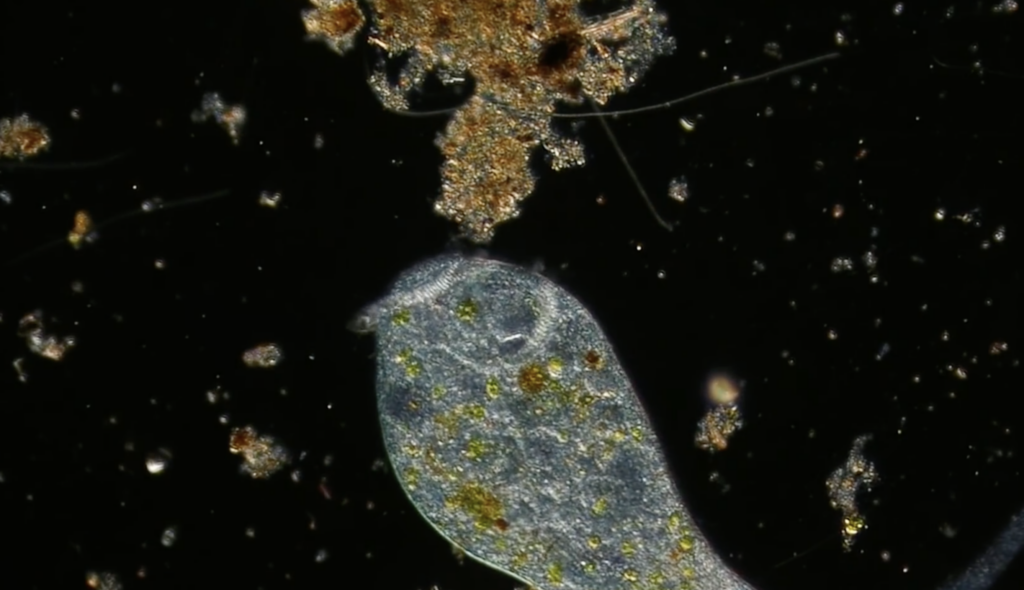
Surprisingly, some organisms on Earth are tougher than scientists once believed. Certain bacteria and microscopic life forms have survived extreme environments, including intense radiation, freezing temperatures, and conditions similar to the vacuum of space.
Experiments outside the International Space Station have shown that some microbes can remain alive even after being exposed to the harsh environment beyond Earth’s atmosphere.
This raises the possibility that tiny organisms protected inside rocks could potentially survive a long journey through space. During Earth’s early history, our planet was constantly bombarded by asteroids and comets that delivered water and important chemical compounds.
Some scientists believe these impacts may have also delivered the first biological material, giving life a possible starting point on Earth.
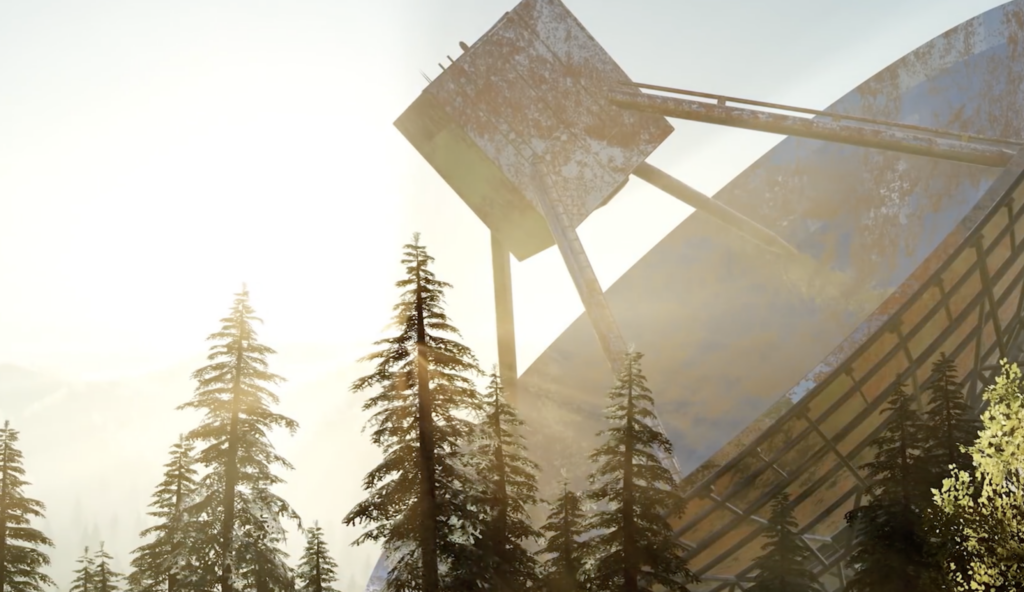
Scientists have also found evidence that the building blocks of life exist far beyond Earth. Powerful telescopes have detected complex organic molecules in distant regions of space, including glycolaldehyde, a simple sugar that is connected to the formation of RNA.
RNA is one of the most important molecules in biology because it helps store and transfer genetic information. Finding these ingredients in space suggests that the chemistry needed for life may be common throughout the universe.
Another mystery comes from the way molecules are organized. Many molecules can exist in two different forms, known as left handed and right handed versions. However, life on Earth almost always uses one specific arrangement.
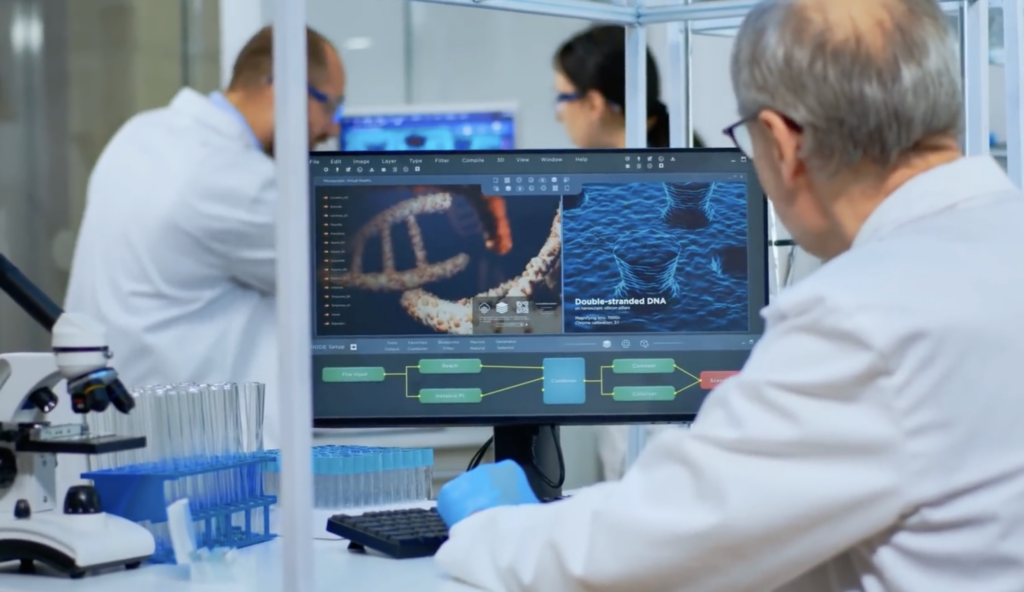
Scientists are still trying to understand why life chose these specific molecular patterns. Some researchers believe that chemical processes in space may have influenced these patterns before life ever appeared on Earth.
However, panspermia does not prove that aliens created life on Earth. There is currently no direct evidence showing that living organisms arrived from another planet or star system.
Instead, the theory suggests that life may have had a much larger cosmic journey than we ever imagined. Earth could have received the ingredients for life from ancient space objects that traveled billions of kilometers before reaching our planet.
If this idea turns out to be true, every living creature on Earth could have a connection that reaches far beyond our planet. The origin of life may not belong only to Earth, but to the universe itself.