
The forest is silent as a lone woodsman makes his way through the trees. He may be an experienced hunter, but tonight he has no guns or other weapons to protect him when a dangerous predator steps out of the shadows.
A gray wolf watches from the darkness, sizing up the stranger who has entered its territory. The man may be the larger animal, but the wolf has speed, powerful jaws, sharp teeth, and years of experience hunting and fighting to survive.
An average American man weighs around 89 kilograms and stands about 176 centimeters tall. Humans can be surprisingly strong, with training and physical conditioning making a person even more capable in a physical confrontation.
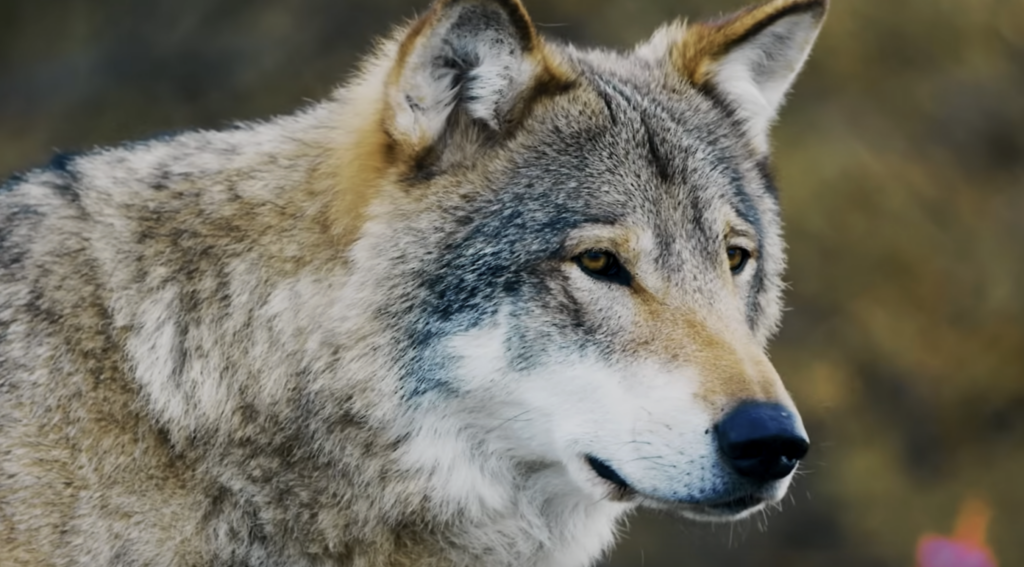
A strong human can also rely on something a wolf does not have, intelligence. Humans can analyze their surroundings, solve problems, recognize danger, and use objects around them to gain an advantage. But without his usual weapons, the woodsman’s options are suddenly limited.
The wolf steps closer and gives a warning bark, exposing its teeth. The man slowly backs away, searching for branches or anything else that might help him defend himself.
Then the wolf suddenly lunges.
Its jaws clamp onto the man’s arm, biting through his clothing. Fortunately for him, the wolf does not appear to use its full strength. The attack is more warning than finishing move, but the message is clear. The animal is prepared to fight.
Gray wolves can weigh around 50 kilograms and reach roughly two meters in length. They are built for hunting, with powerful bodies, sharp claws, and 42 teeth designed to tear through flesh and crush bones.
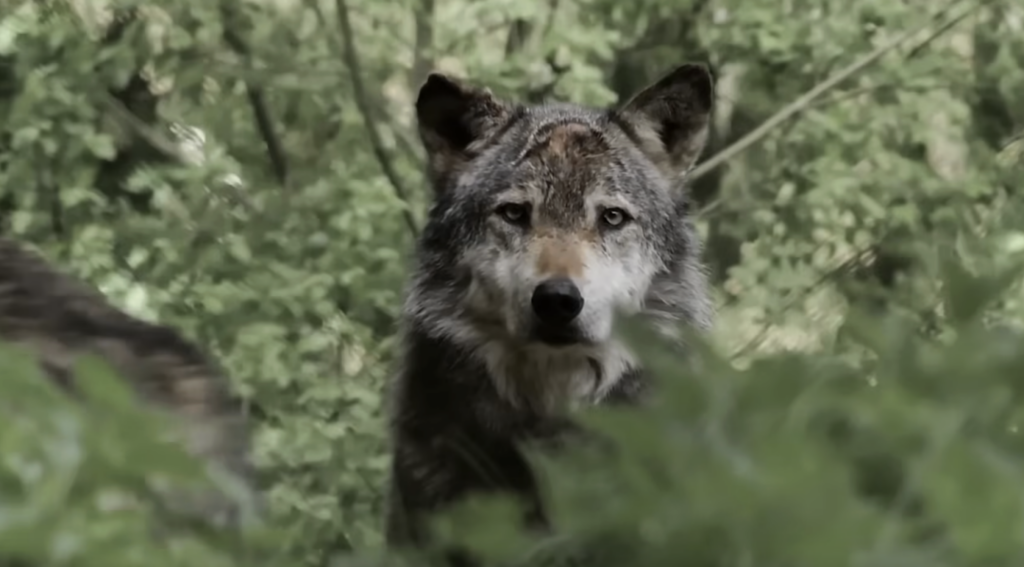
Their bite is particularly dangerous. A wolf can deliver an enormous amount of force with its jaws, while its long canine teeth are capable of causing severe injuries. Wolves also have exceptional senses, allowing them to detect potential prey from considerable distances.
The woodsman manages to pull his arm free. Fueled by adrenaline, he tries to move behind the animal and grab its neck, hoping to use his strength to overpower it.
But the wolf reacts quickly.
It twists away from his grip and knocks the man to the ground. Suddenly, his face and neck are exposed while the wolf stands over him. The situation has changed in seconds, and the hunter is now fighting for his life.
The man desperately tries to regain control, knowing that he cannot afford to let the wolf reach his neck. His best chance would be to hold the animal back and escape, but the wolf has the advantage of speed, instinct, and experience.
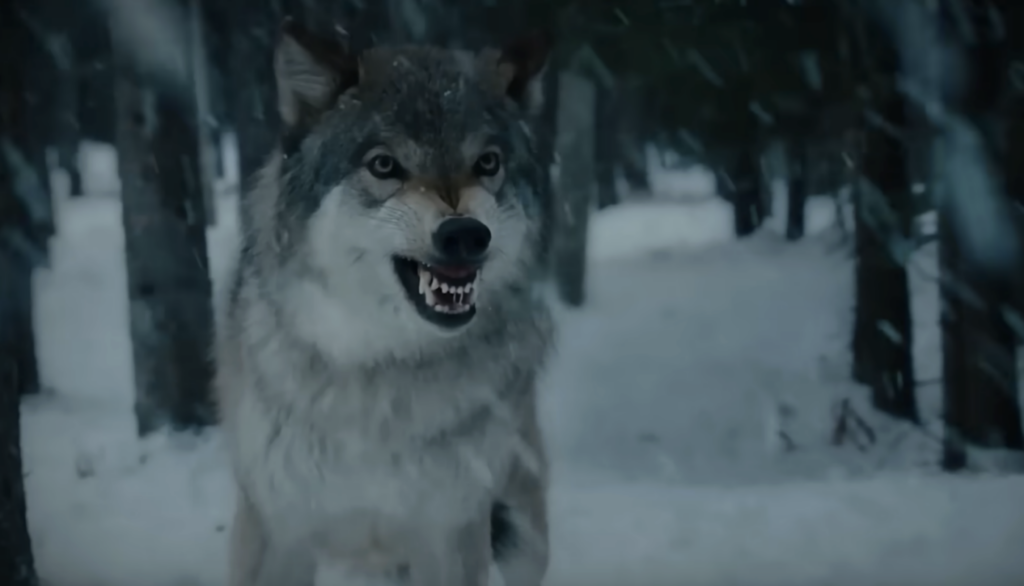
The wolf pins him down and delivers the final attack.
The woodsman has become the hunted, and the wolf wins the fight.
With his normal weapons, the outcome could have been completely different. An armed hunter would have had a major advantage, but against a wild wolf with nothing but his bare hands, human strength alone may not be enough.
A lone wolf is still a formidable predator. Wolves normally hunt in packs and can take down animals far larger than themselves, including large deer. In a fight where escape is impossible and the human is unarmed, the wolf’s natural weapons and instincts can make the difference between survival and defeat.