Your grandchildren might replace their own hearts the way you replace a phone battery.
That is not the strange part. The strange part is what comes after, because if you follow the timeline far enough forward, the thing standing at the end of it is not quite human anymore.
Step into a time machine and travel 1,000 years ahead. Would you recognize the species waiting there?
Here is the uncomfortable truth: this is not science fiction. The transformation is already underway in 2026. Genetic engineering, artificial intelligence, climate pressure, and space exploration are all quietly working on us at the same time, and the next thousand years could reshape humanity in ways we can barely picture.
Let us walk the timeline, century by century, and watch it happen.
100 Years From Now: The First Big Transformation
The year 2126 sounds distant until you do the math. Only three or four generations separate you from it.
Biologically, humans would not look dramatically different. Technologically, almost everything changes.
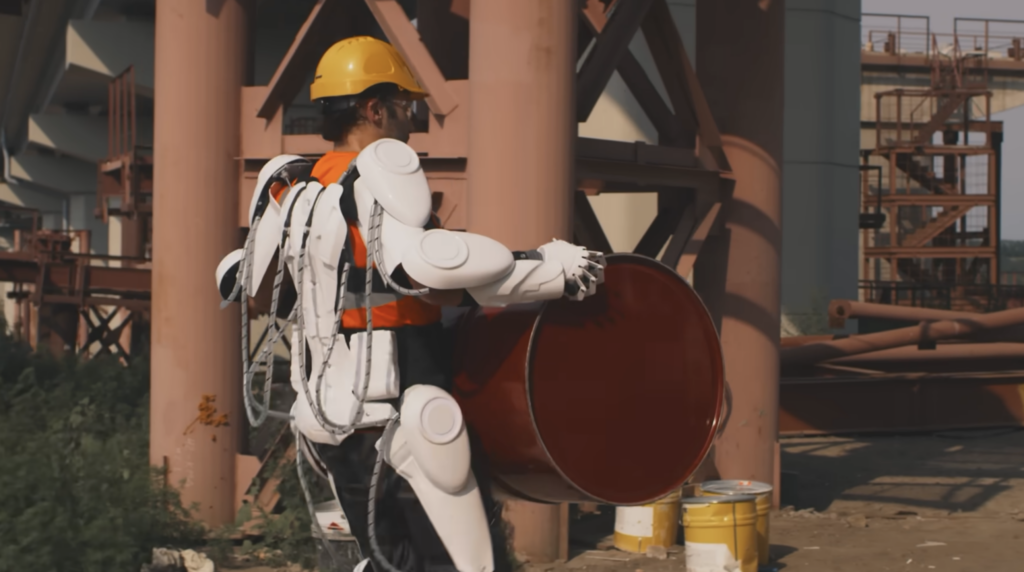
The revolution starts with enhancement. Bionic limbs, currently reserved for medical need, could become straight upgrades. Soldiers might wear exoskeleton suits capable of lifting vehicles. Civilians might choose mechanical limbs simply because they are faster, stronger, and more precise than the ones they were born with.
Then it moves inward. Artificial hearts, synthetic pancreases, and bioengineered eyes could become ordinary purchases. Your health would be monitored continuously through a connected system, with a smartphone or a neural device acting as the control hub for your own body.
Read that again. Your body, with a control hub.
Brain computer interfaces push it further still. Crude versions already exist today, letting people control external devices with thought alone. Future versions could enhance memory, deliver instant access to information, or let two people communicate without speaking at all.
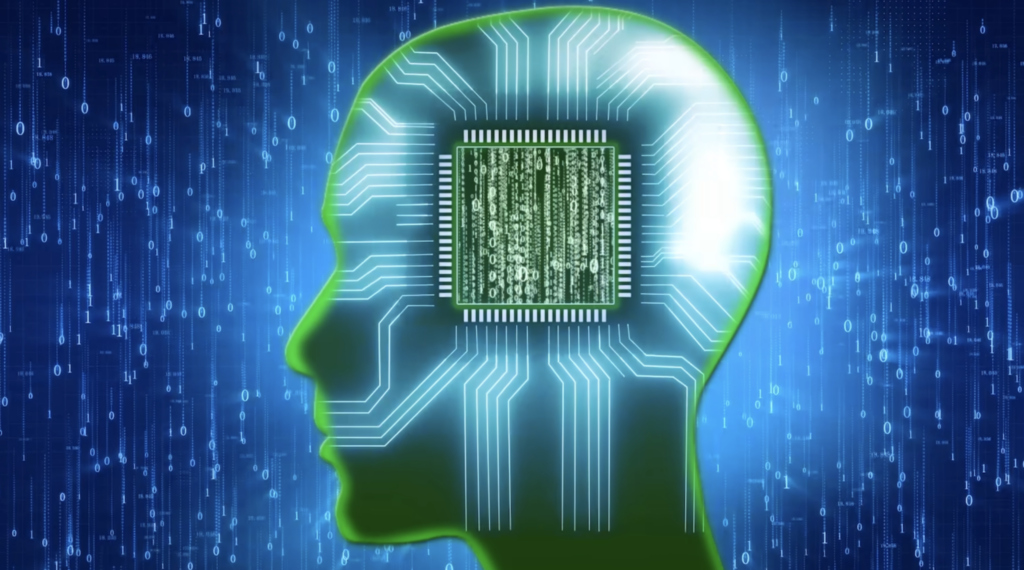
And at the far edge of this century, humans may begin merging with machine intelligence. Shared neural networks could link multiple minds together, forming the first primitive version of a collective digital consciousness.
That is 100 years. We have 900 to go.
250 Years From Now: A World Under Pressure
By 2276, the driving force is no longer ambition. It is survival.
Climate change could have permanently rewritten the planet by then. Sea levels risen by several meters. Millions displaced. Storms grown more violent and less predictable than anything in recorded history.
And human biology would begin bending to fit.
People in hotter regions might develop slimmer bodies with longer limbs, shapes that shed heat more efficiently. Organs could shrink, including smaller hearts, to help regulate body temperature. Ears might grow larger for the same reason, turning into heat radiators.
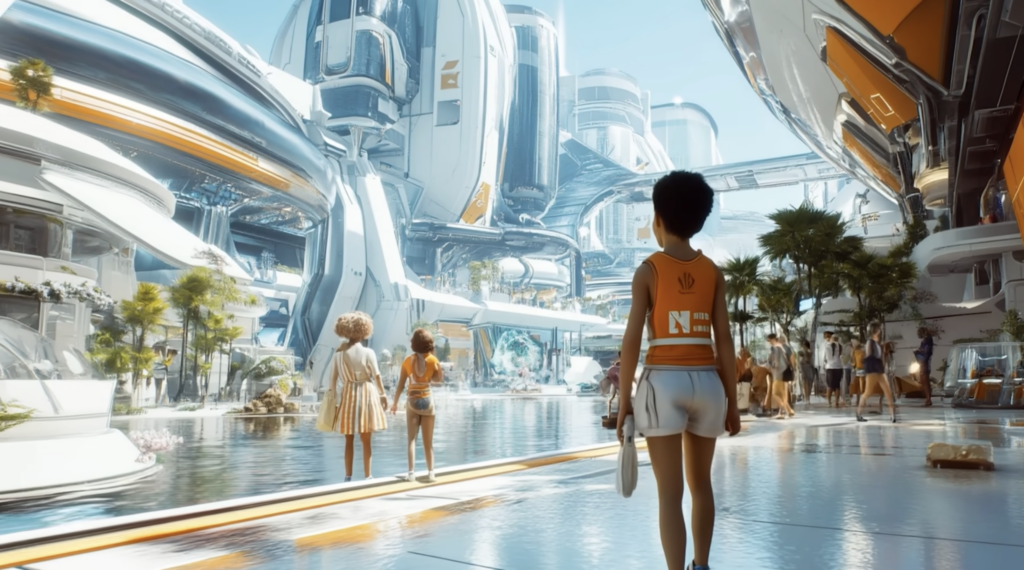
Technology would carry the rest of the weight. Cities running on total climate control, floating infrastructure, entire populations living underground.
But here comes the first crack in the story. Not everyone would have access to those systems, and unequal access could split humanity into very different populations living very different lives.
500 Years From Now: The Age of Genetic Design
By 2526, evolution stops being the author.
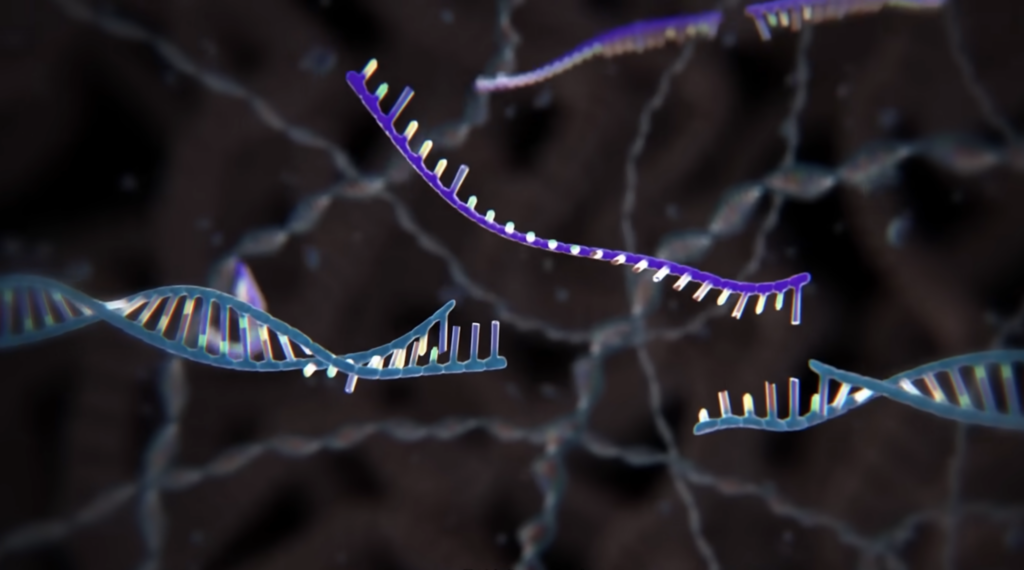
Gene editing tools like CRISPR, still in early development in 2026, could become powerful enough to rewrite large sections of human DNA on demand.
The medical results would be extraordinary. Cancer eliminated at the genetic level. Blindness reversed. Lifespans stretched significantly as damaged cells get repaired or replaced before they ever fail.
Then it moves past medicine.
Humans could start choosing physical traits outright: eye color, height, metabolism, even muscle density. Designer humans would stop being a debate and start being a service.
Meanwhile the machinery keeps improving alongside the biology. Exoskeletons could push strength and endurance far past natural limits, turning people into hybrids of flesh and engineering.
And that crack from 250 years earlier widens into a canyon. If enhancement stays expensive, society divides into the enhanced and the unenhanced, and that gap is not about wealth anymore. It is about what your body can do.
750 Years From Now: Life Beyond Earth
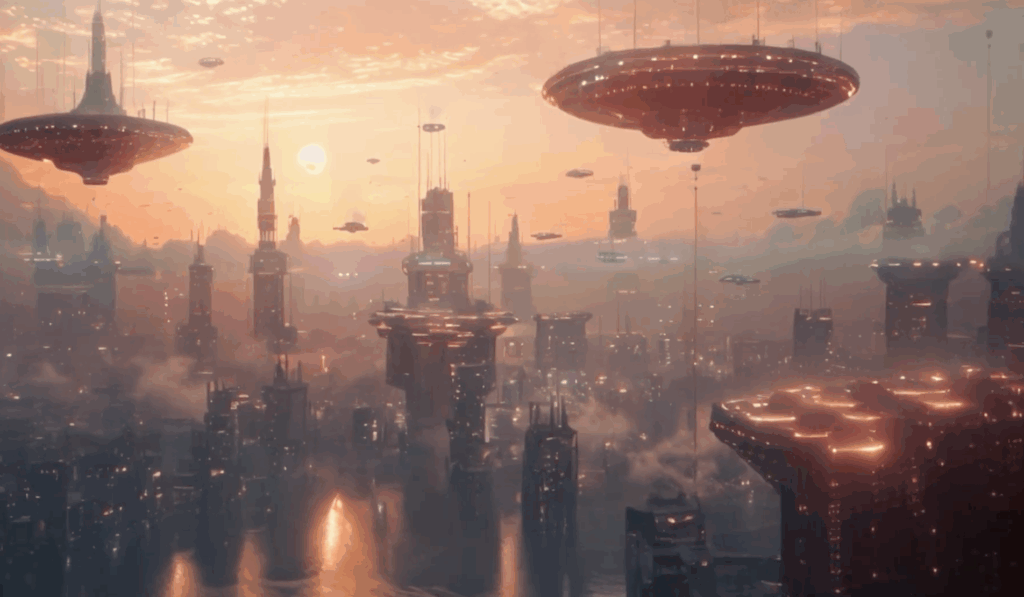
By 2776, humanity may no longer live on one planet, and the human body would have to change to follow.
Mars is the obvious example. Its lower gravity strips muscle and bone from unmodified humans, so future generations might be engineered with stronger connective tissue or lighter skeletal structures built specifically for that world.
Radiation is the harder problem. Mars has no strong magnetic field, so its surface absorbs far more cosmic radiation than Earth ever does. One proposed solution is genuinely unsettling: studying radiation resistant organisms such as cockroaches and adapting those traits into human biology.
Breathing the carbon dioxide atmosphere would remain impossible, so colonists would still depend on oxygen systems or terraformed environments. But their bodies could carry enhanced resistance to dust, radiation, and environmental stress that no Earth born human possesses.
These Martian adapted humans would not be a separate species. They would be a specialized edition of humanity, shaped by a world that is not ours.
1,000 Years From Now: The Fully Engineered Human
By 3026, natural evolution has become a footnote. Deliberate design does the work now.
Future humans could be built explicitly for survival: stronger bones, more flexible joints, reinforced organs, bodies resistant to accidents, disasters, and climate extremes that would kill us instantly.
The skull might be redesigned with additional fluid cushioning to better protect the brain. Spines could become more flexible and far harder to injure. Even blood circulation could be rebuilt for efficiency and resilience.
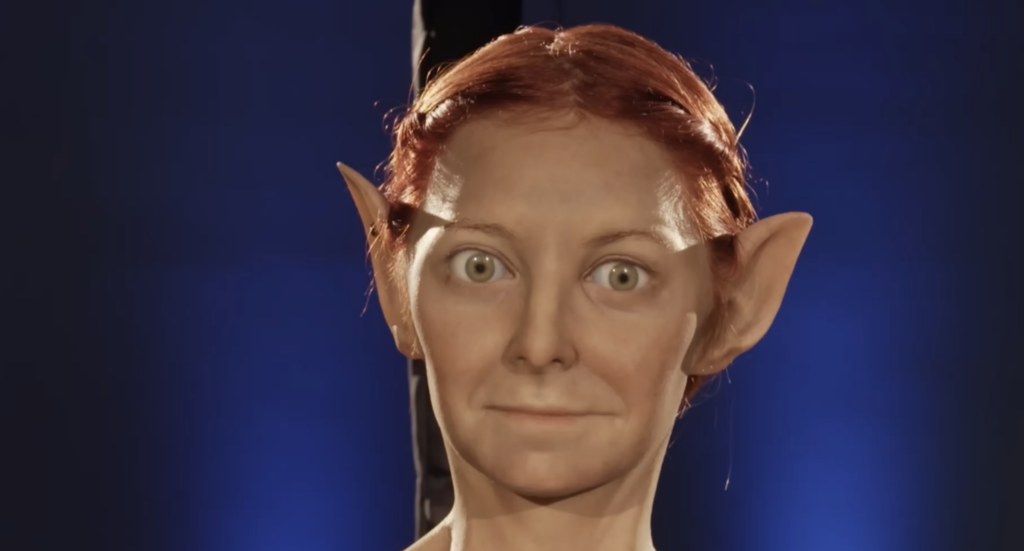
And then the borrowing begins.
Octopus like skin could let humans change color for communication or camouflage. Bird like respiratory systems could extract oxygen far more efficiently than lungs do. Speculative science has even floated kangaroo style reproductive adaptations, where early development happens in a protected external environment.
Joints could allow movement in multiple directions, cutting injury risk dramatically. Ears and eyes could be engineered for perception well beyond anything we experience today.
Look at that list and ask yourself honestly whether the thing described is still a human being. The answer is a strange yes. Future humans would probably still carry traits you would recognize instantly. A face. A voice. Something familiar behind the eyes.
But the defining difference would not be any single feature. It would be that humanity stops having a fixed form at all. We began as a species shaped by whatever the environment demanded. In 1,000 years, we could become a species that chooses its own shape, redesigned for every world it decides to live on.
Not stronger humans. Not smarter humans. Just humans who are no longer stuck being one thing.