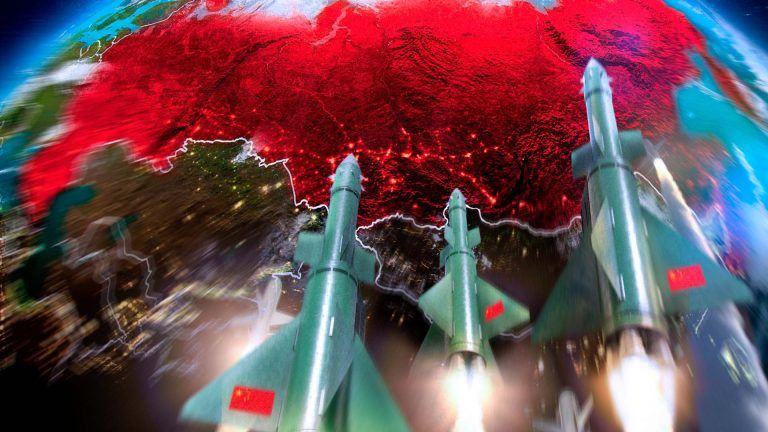
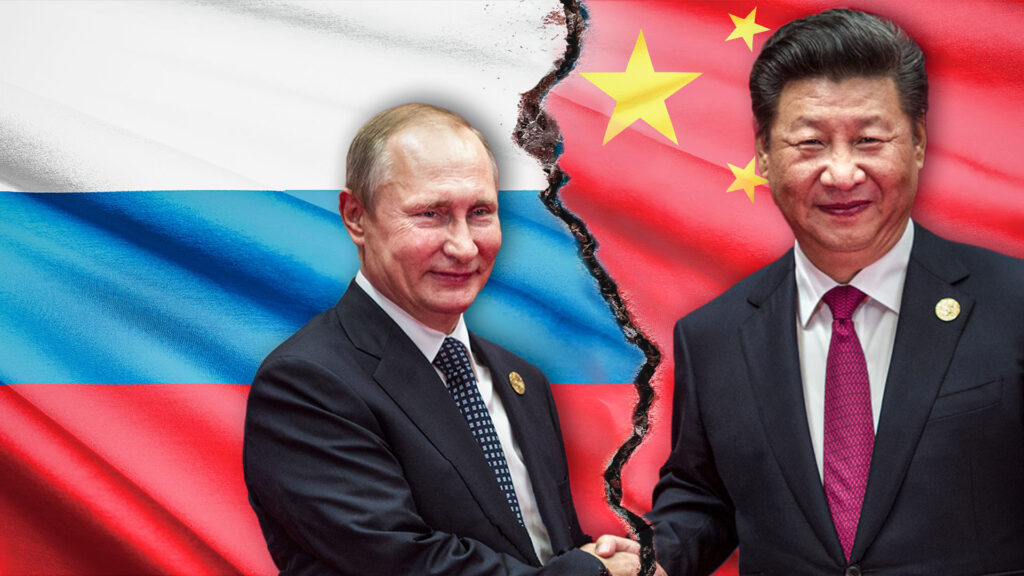
What happens when two powerful partners suddenly become enemies? China and Russia share a massive border, major economic interests and years of cooperation. But imagine that relationship collapsing completely, with China launching an invasion of its northern neighbor.
The two countries have maintained close ties for decades, particularly since the 1950s. China depends heavily on Russian energy, while both nations have worked together on subjects including space exploration, climate change, technology and artificial intelligence.
When Russia invaded Ukraine, China avoided directly joining the conflict and maintained a position between cooperation with Moscow and neutrality. But if Russia became severely weakened by war, China could theoretically see an opportunity to expand into Russian territory. How would the United States respond to such a dramatic change?
China would have a huge manpower advantage. Its military has more than 2 million active personnel, along with millions of reservists who could potentially be mobilized. That could give Beijing considerable strength in a prolonged ground conflict.
Russia would still have serious advantages. Its forces have gained battlefield experience during the war in Ukraine, although that conflict has also consumed enormous amounts of equipment and personnel. Russia has faced logistical problems as well, including reported fuel shortages and abandoned military vehicles.
China would not be entering the war without weaknesses. Despite possessing one of the world’s largest modern military forces, its troops have not fought a major war since 1979. Russia also maintains a huge armored force, with more than 12,000 tanks compared with fewer than 6,000 for China.
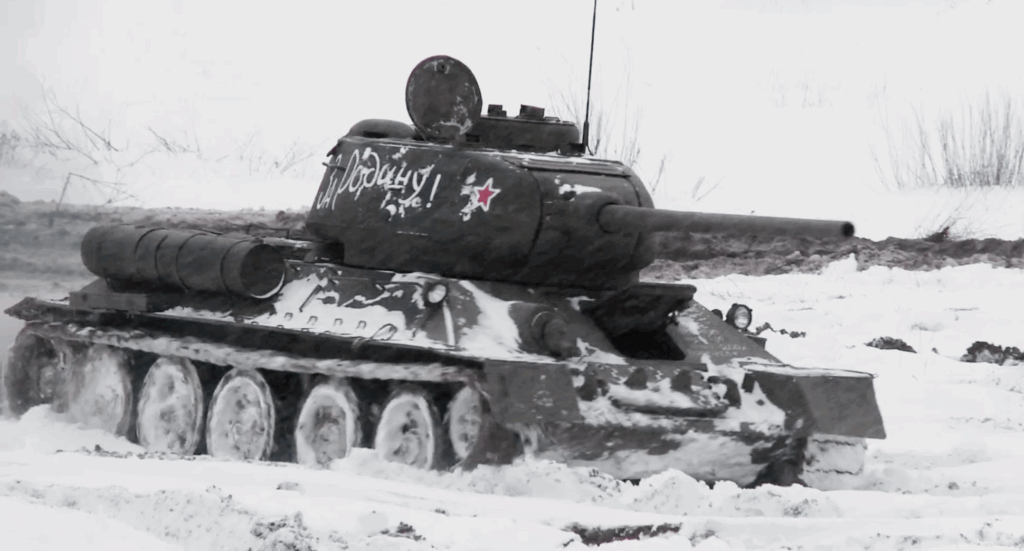
Geography could make the invasion even more difficult. Eastern Russian cities near the Chinese border could face the earliest attacks, but moving deeper into the country would require Chinese forces to cross enormous distances. Russia’s harsh terrain and vast territory could turn a rapid offensive into a costly campaign.
The United States might decide not to intervene directly. China and Russia are both major competitors of Washington, and American leaders could conclude that allowing the two powers to weaken each other would be less dangerous than entering another major war. NATO membership would not automatically require intervention in a conflict between these two countries.
Russia could seek assistance from friendly governments such as Belarus or other former Soviet states. China would also have potential partners, although its military support network would be much smaller. North Korea could become one of the few countries willing to provide meaningful assistance.
Then comes the greatest danger: nuclear weapons. Russia possesses thousands of nuclear warheads, while China’s arsenal is considerably smaller. Even so, neither side would need to use its entire stockpile to create catastrophic destruction across Eurasia.
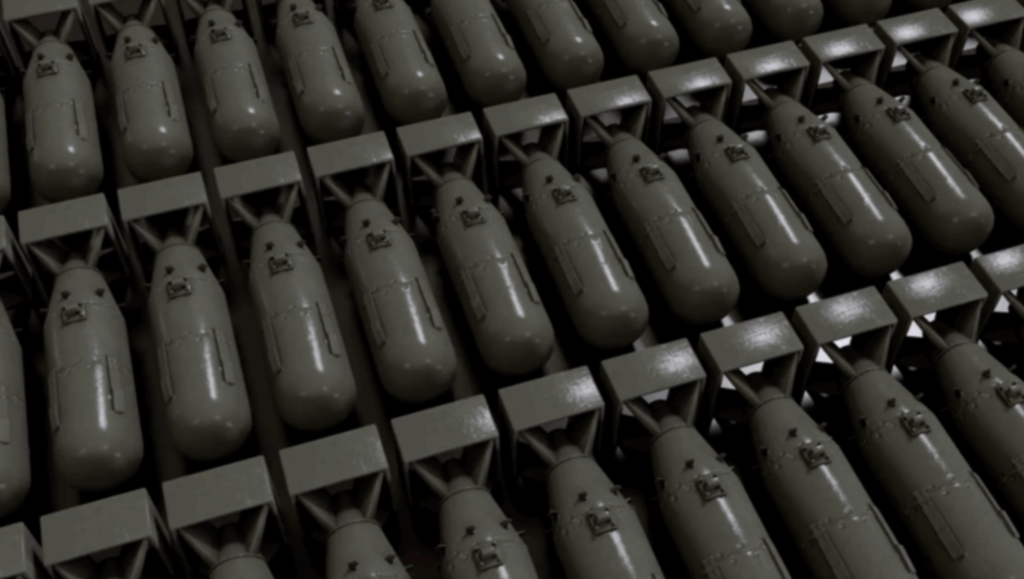
The threat of nuclear retaliation could therefore prevent the conflict from reaching its most dangerous stage. Both governments would know that using nuclear weapons could trigger a response capable of destroying their own cities and populations.
A war between China and Russia would also send shock waves through the global economy. Energy supplies, manufacturing, trade routes and international markets could all be severely disrupted.
Even nations that remained outside the fighting would feel the consequences. Russia supplies enormous quantities of energy and raw materials, while China plays a central role in global manufacturing. Turning these two economic powers into enemies could therefore affect countries far beyond Asia.
Most importantly, a conflict like this would destroy one of the world’s major strategic partnerships. If China turned against Russia, governments everywhere would have to reconsider their relationships with both nations. A war that began between two neighboring powers could quickly become a crisis felt across the entire planet.