Imagine scientists discovering that Earth has only a decade left before it becomes completely uninhabitable. Suddenly, humanity would have an enormous problem: how do you move a civilization of billions of people somewhere else before time runs out?
We would need to build spacecraft on a scale never seen before, decide who gets to leave, gather enough food and water to keep everyone alive, and somehow find a place where humans could continue living. Ten years might sound like a long time, but for a project this enormous, it would pass incredibly quickly.
Our first problem would be getting people away from Earth. The spacecraft we use today are designed to carry only a handful of astronauts at a time, not entire cities. If we tried to evacuate the world’s 7.8 billion people using vehicles with today’s capacity, we would need more than a billion launches.
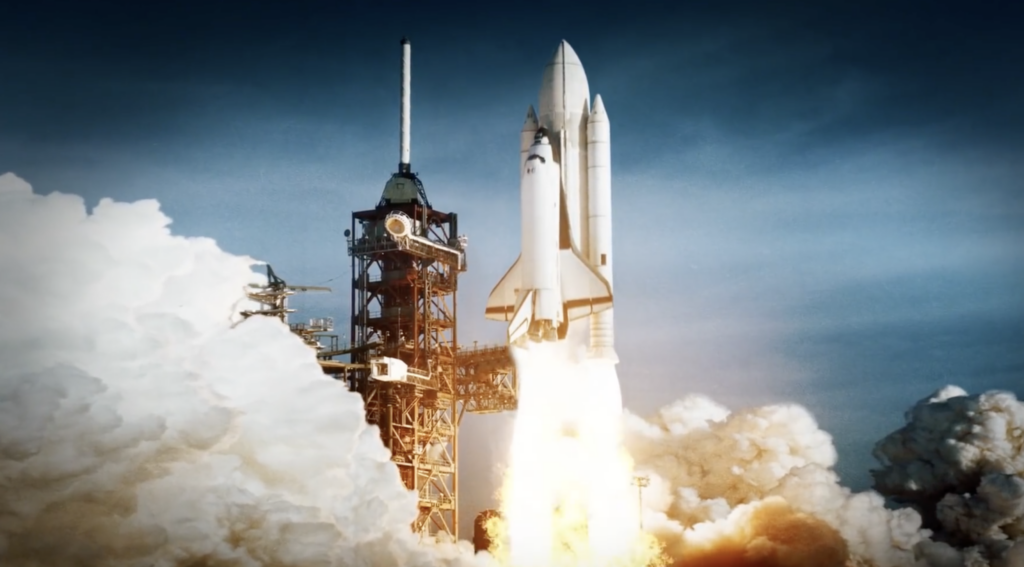
That clearly would not work. The only realistic option would be to develop much larger spacecraft capable of carrying thousands of people and their supplies at once. Building them in only ten years would require countries around the world to cooperate on a scale humanity has rarely seen.
Wars and political disagreements would have to take a back seat while engineers, scientists, doctors and other specialists worked toward the same goal. We would need people capable of designing the ships, operating them, maintaining equipment and eventually establishing new settlements.
That would create another uncomfortable question: who actually gets a seat? With billions of people needing help and space for only a tiny fraction of them, choosing the survivors would probably become one of the hardest decisions humanity had ever faced.
Medical screening would also become extremely important. Bringing a serious disease onto a spacecraft filled with thousands of people could put the entire population at risk. Unfortunately, even with strict selection, the overwhelming majority of humanity would have to remain behind.

Some estimates suggest that a population as small as 98 people could theoretically provide enough genetic diversity for humanity to continue. Other estimates are much higher, suggesting that thousands or even around 14,000 people would be needed to create a safer long term population.
Let’s assume we decide to save 15,000 people. Even then, deciding who those people would be would be incredibly complicated.
One possibility would be to divide the available places according to each country’s population. India, for example, could receive thousands of places, while the United States would receive several hundred. But this approach would not necessarily guarantee that the new civilization had all the skills it needed.
Another option would be to select people mainly according to their abilities. Doctors, engineers, farmers, scientists and technicians would all be extremely valuable. However, choosing people this way could leave entire cultures and communities behind, creating difficult questions about whose history and traditions survive.
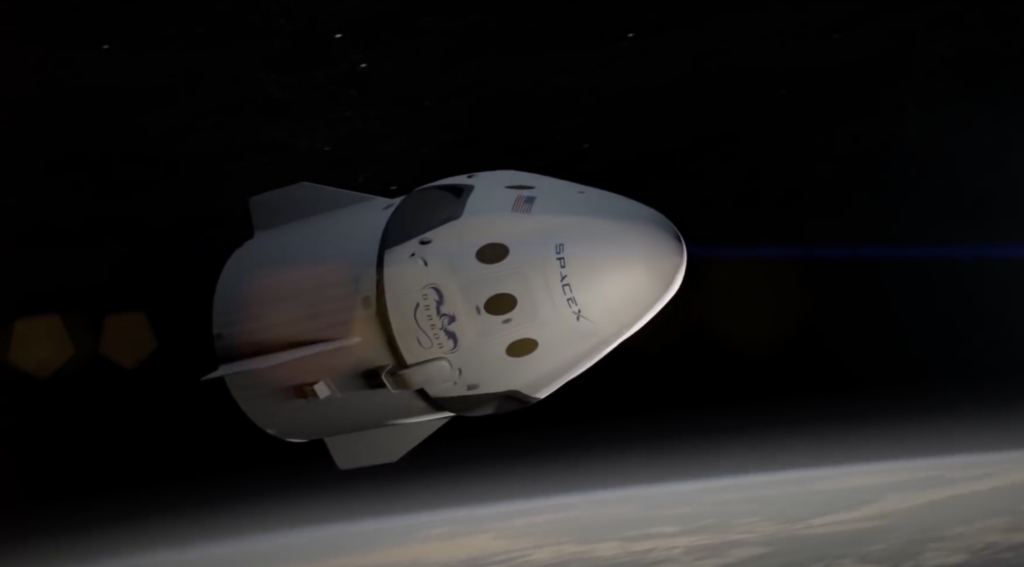
Once the passengers had been chosen, we would still have to build somewhere for them to live. A single enormous spacecraft might be more efficient than thousands of smaller ships, but putting everyone aboard one vessel would also create a massive risk. One major failure could threaten the entire population.
Constructing the spacecraft on Earth would present its own problems. It would have to be strong enough to survive launch while also being suitable for long term life in space. Building much of it in orbit could make more sense, although getting the necessary materials into space would take an enormous number of launches.
For comparison, SpaceX rockets have been able to carry payloads weighing tens of thousands of kilograms. A settlement capable of supporting 15,000 people would require vastly more material than that, including habitats, machinery, food systems, power equipment and spare parts.
Then comes perhaps the biggest challenge: keeping everyone alive after leaving Earth. The spacecraft could not simply carry enough supplies for a short journey. It would need to function almost like a small artificial planet.
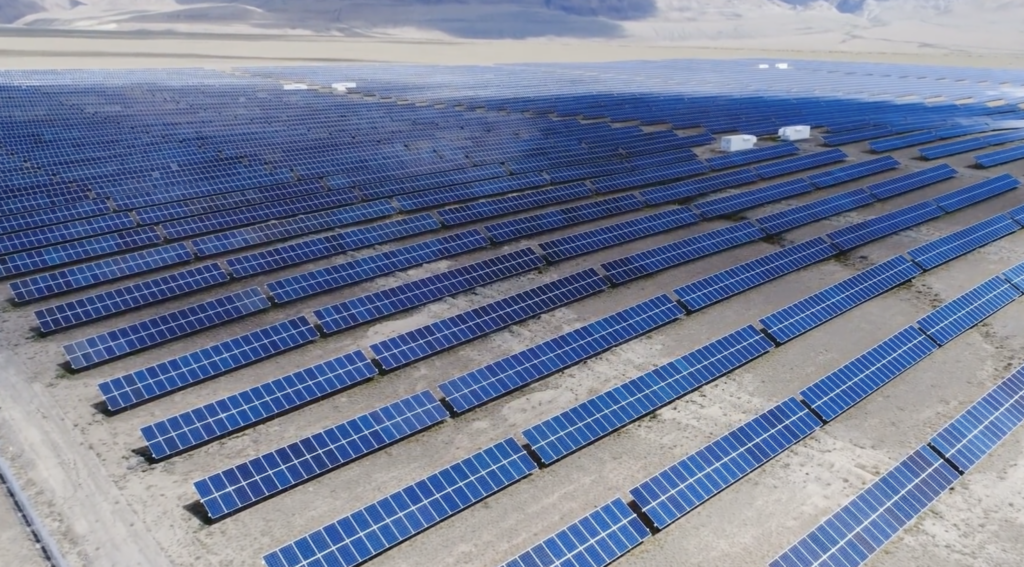
Solar panels would likely provide much of the energy, while advanced systems would need to recycle water, remove waste and produce breathable air. The ship would also need farms or other systems capable of growing food because simply carrying everything from Earth would eventually become impossible.
Food alone would take up an incredible amount of space. If one person needed around 400 kg of food to survive the first two years, 15,000 people would require roughly six million kilograms. Water would create an even larger problem, with about 1,726 liters needed per person under the estimates used here.
That means the spacecraft would have to recycle water again and again instead of treating it as something disposable. Every resource would become valuable, because there would be no supermarket, farm or freshwater reservoir waiting nearby if something ran out.
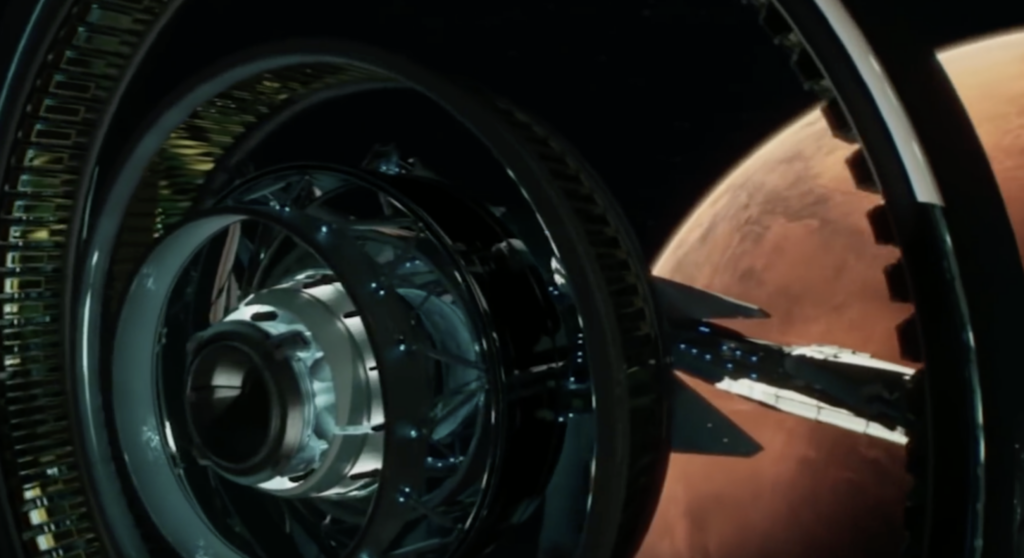
But eventually, the survivors would need somewhere to settle. One possibility would be establishing a temporary station near the Moon, giving the fleet a place to resupply and prepare for the next stage of the journey.
From there, Mars would become an obvious destination. The planet is relatively close by and has already been studied extensively, but getting thousands of people safely onto its surface would be another enormous challenge. They would need habitats, food production, water supplies, energy and protection from the harsh environment.
Could all of this really happen within ten years? With today’s technology, there is no realistic way to evacuate billions of people from Earth in that amount of time. Humanity would need an unprecedented expansion of space technology, manufacturing and international cooperation.
Even if only 15,000 people were chosen, the task would still be almost unimaginably difficult. But if the alternative were the complete destruction of Earth, humanity would have little choice except to attempt something extraordinary.