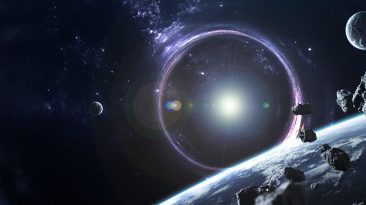
Around 40 light years away from Earth, hidden in the constellation Pisces, there is a small alien world that has captured the attention of scientists around the world. Known as Gliese 12 b, this exoplanet is one of the most interesting discoveries in recent years because it is similar in size to Earth and orbits within the region where conditions for life could potentially exist.
But if humans somehow reached this distant planet, would it really feel like a second Earth?
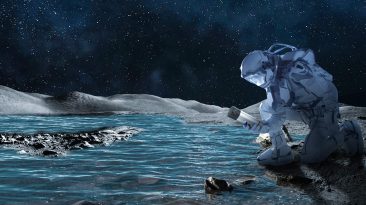
The journey alone would be almost impossible with today’s technology. Gliese 12 b is about 40 light years away, meaning even our fastest spacecraft would need thousands of years to arrive. However, if future technology allowed humans to travel across such enormous distances, stepping onto this mysterious world would reveal an environment unlike anything found on Earth.
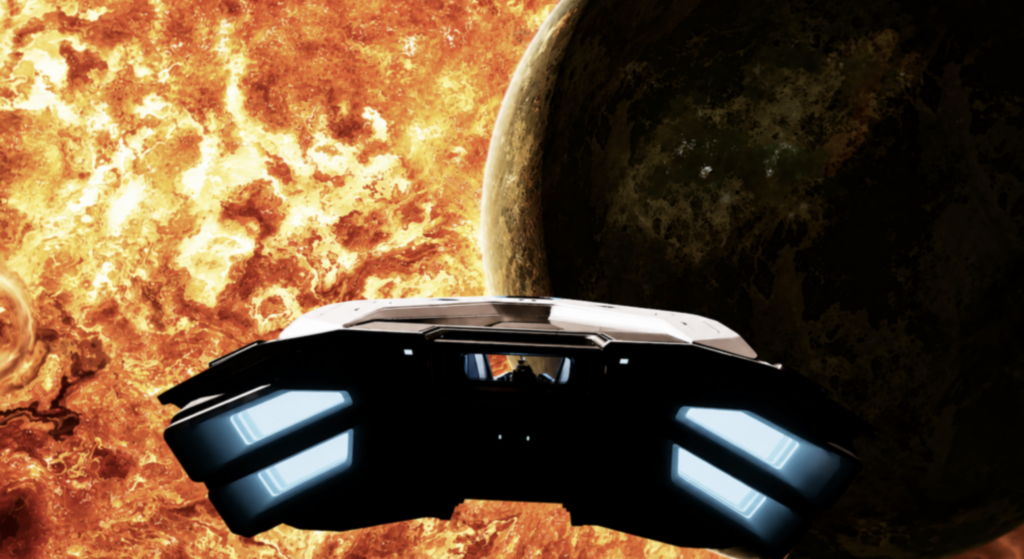
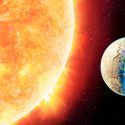
As a spacecraft approached the planet, astronauts would see a very different sky. Gliese 12 b orbits a red dwarf star, a type of star that is smaller and cooler than our Sun. Instead of bright sunlight, the planet would be bathed in a reddish orange glow, creating a landscape that might look like it exists during an endless sunset.
The first thing explorers would notice after landing could be the planet’s gravity. Although Gliese 12 b is close to Earth’s size, its exact mass is still being studied. If the planet is heavier than Earth, every movement would become more difficult. Walking across the surface, carrying supplies, or operating equipment could require much more energy as human bodies fight against the increased gravitational force.
But gravity would only be one of many challenges.
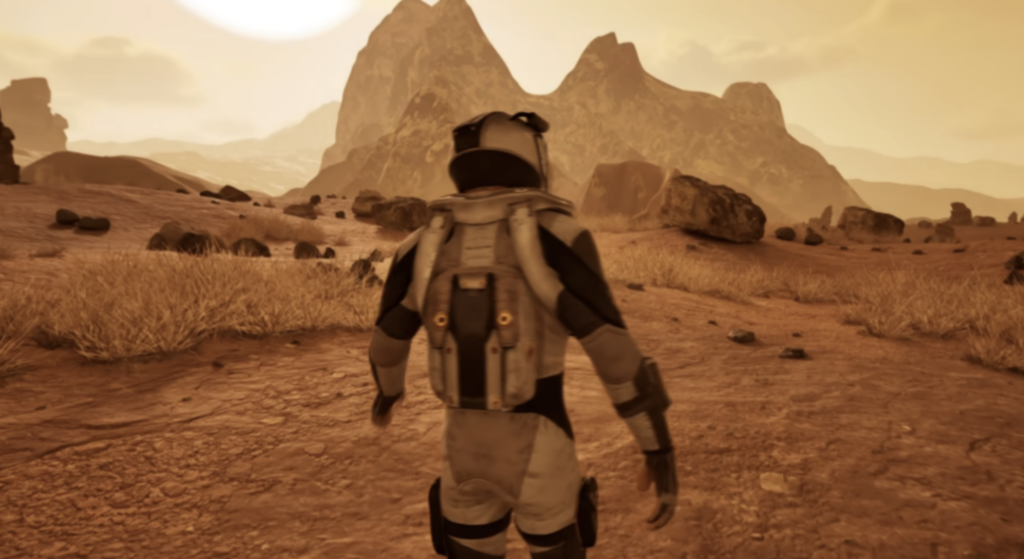
The atmosphere would determine whether humans could survive on the surface. Current research suggests that Gliese 12 b may have an atmosphere, but scientists still do not know its exact composition. If it lacks breathable oxygen, astronauts would need advanced spacesuits or sealed habitats at all times.
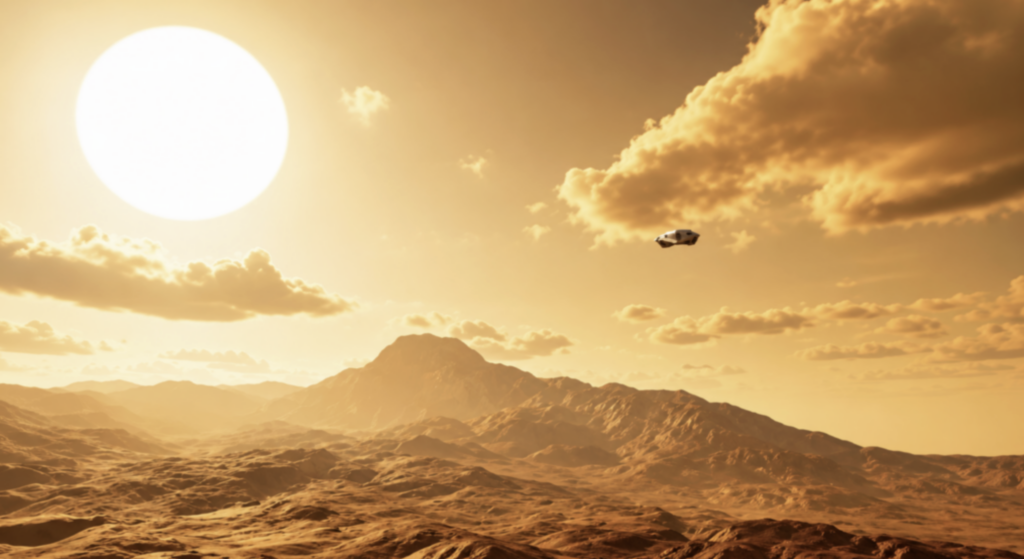
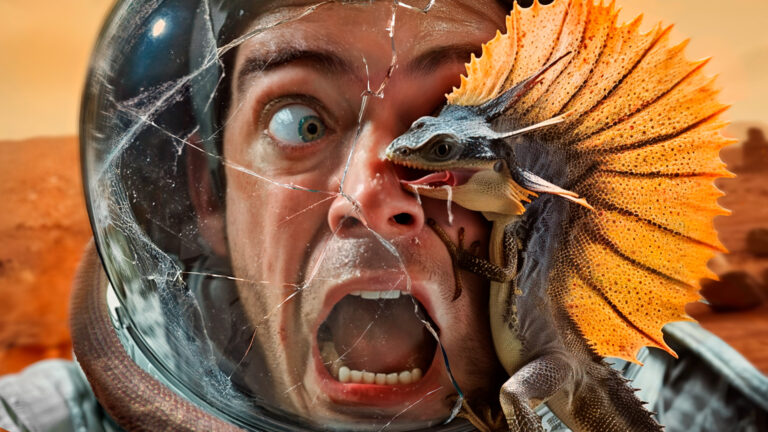
A damaged helmet or failing life support system would turn into a life threatening emergency within seconds.
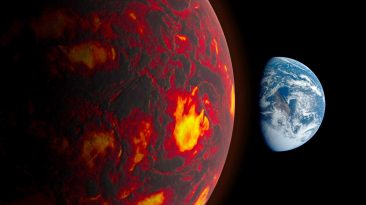
Temperature would create another major obstacle. Some estimates suggest the surface could reach around 62 °C, making the planet extremely hot compared with Earth. Exploring outside would require careful planning, as heat could quickly affect human health and damage sensitive equipment.
Machines used for exploration would need protection from the extreme environment, while astronauts would have to limit their time outdoors to avoid dangerous overheating.
However, Gliese 12 b is still fascinating because it may have conditions that are more favorable than many other planets discovered beyond our Solar System.
Unlike worlds with extreme temperatures and toxic environments, this planet is located near the habitable zone of its star. This means it could potentially have conditions where liquid water might exist. If water is present, it could completely change our understanding of the planet and raise the possibility that some form of life may have developed there.
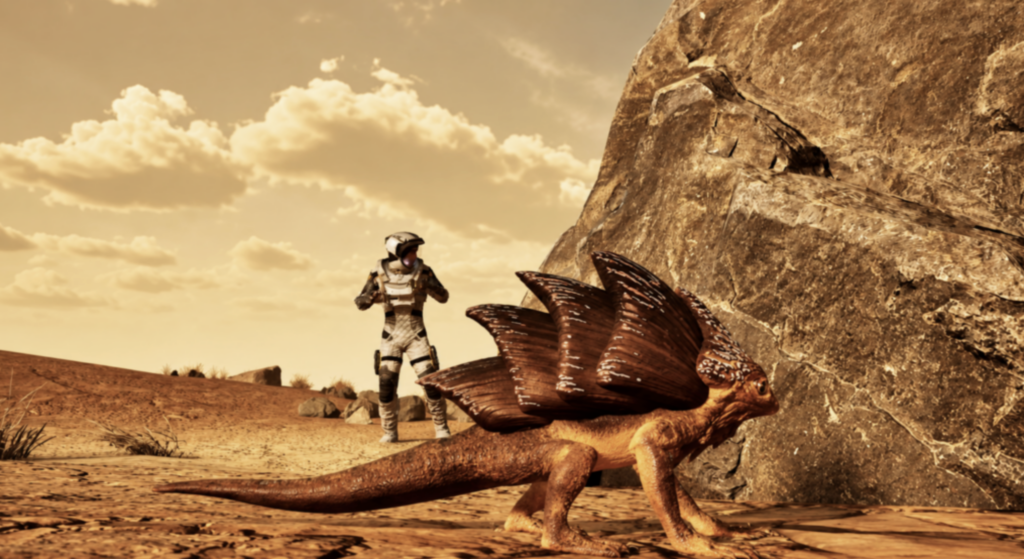
A future mission could discover a world that is not completely empty. Scientists might search for signs of microscopic organisms hiding beneath the surface or surviving in protected environments. While advanced alien creatures remain unlikely and purely speculative, even finding simple life would be one of the greatest discoveries in human history.
Life on Gliese 12 b would also follow a completely different calendar. The planet completes one orbit around its star in only about 12.8 Earth days. That means a year there would pass in less than two weeks by our standards.
For any future explorers or possible inhabitants, time would feel completely different. Birthdays, seasons, and daily routines would follow a rhythm unlike anything humans have experienced.
Creating a permanent human settlement on Gliese 12 b would be an enormous challenge. Colonists would need artificial habitats, constant oxygen supplies, protection from extreme temperatures, and technology capable of supporting life in an alien environment.
Growing food would require controlled systems, and every resource would have to be carefully recycled. A colony on this planet would not be a place where humans could simply step outside and build a new civilization. It would be more like living inside a giant spacecraft on another world.
Still, Gliese 12 b remains one of the most exciting nearby planets because it represents something rare. It is not clearly a lifeless wasteland, but it is also not an easy replacement for Earth. Instead, it sits somewhere in between, offering scientists a chance to study how different planets develop and what conditions allow life to survive.
If humans ever reached Gliese 12 b, they would discover a world beneath a red sun, with unfamiliar gravity, extreme heat, and an atmosphere that could challenge their survival. Yet they would also be exploring one of the most promising destinations in our search for life beyond Earth.
Gliese 12 b may never become humanity’s second home, but it could help answer one of the biggest questions we have ever asked: how common is life in the universe?