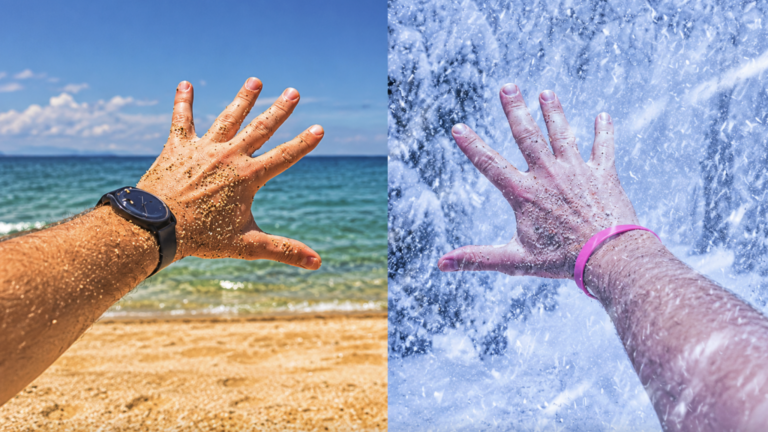
Extreme temperatures can push the human body far beyond its limits. Whether someone is trapped in freezing conditions or exposed to intense heat, the consequences can become life threatening surprisingly quickly.
Frostbite and heatstroke are two of the most dangerous conditions caused by extreme temperatures, but they affect the body in very different ways. So, which one is actually worse?
Frostbite occurs when extreme cold causes body tissue to freeze. It most commonly affects the fingers, toes, nose, ears, and other areas that are exposed to cold air.
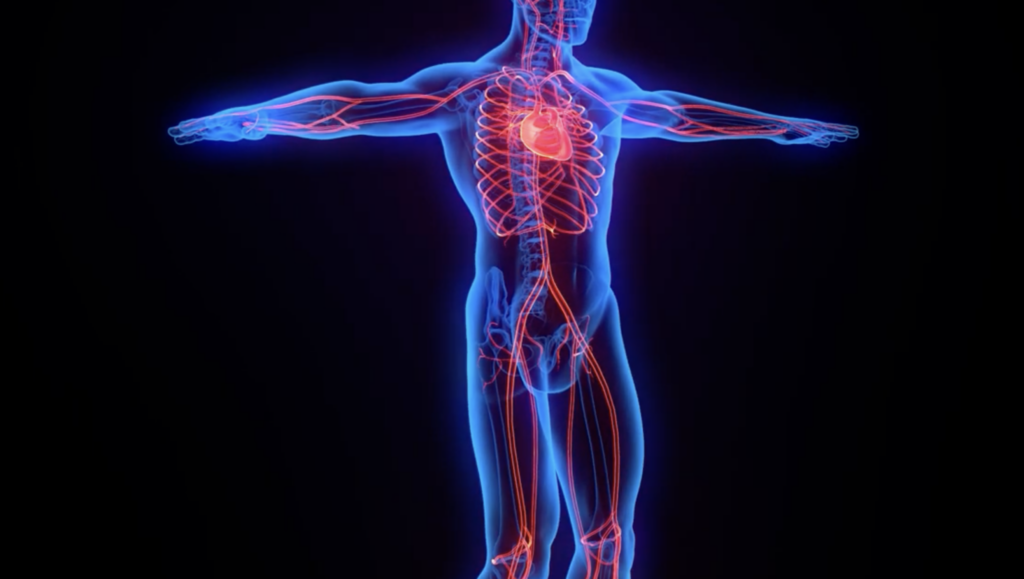
As the temperature drops, blood vessels constrict to preserve heat around vital organs. This reduces blood flow to the extremities, leaving them increasingly vulnerable to freezing. At first, the skin may become cold, numb, pale, or painful. As the condition progresses, the affected tissue can become hard and lose all sensation.
Severe frostbite can permanently damage tissue and, in the most serious cases, lead to amputation. The danger becomes even greater when someone remains exposed to freezing temperatures for a long period without adequate clothing or shelter.
Heatstroke works in almost the opposite way. Instead of the body struggling to stay warm, its temperature rises to dangerously high levels, often reaching above 104 degrees Fahrenheit.

Normally, the body cools itself through sweating and by sending more blood toward the skin. During extreme heat, especially when combined with strenuous activity or high humidity, these cooling mechanisms can fail.
When heatstroke develops, symptoms can include confusion, dizziness, headache, nausea, rapid breathing, and loss of consciousness. As body temperature continues to rise, it can begin damaging the brain, heart, kidneys, and other organs.
One major difference is how quickly each condition can become critical. Frostbite generally develops over time as tissue remains exposed to freezing temperatures, while heatstroke can become a medical emergency within minutes or hours.
Both conditions can also be deadly when treatment is delayed. Frostbite can cause permanent tissue damage, while severe heatstroke can trigger widespread organ failure and death.

So, which one is worse?
There is no simple answer because the danger depends on the temperature, duration of exposure, a person’s health, and how quickly treatment begins. Both represent serious medical emergencies when they reach severe stages.
The real lesson is that the human body has a surprisingly narrow range in which it can function safely. Extreme cold can slowly destroy tissue, while extreme heat can overwhelm the body’s entire cooling system.
Whether the environment is freezing or scorching, recognizing the warning signs and getting out of the extreme conditions as quickly as possible can make the difference between recovery and permanent damage.