Put Earth at the center of the Solar System and something has to give. Gravity does not negotiate, so if everything is going to orbit us, the masses have to be rearranged to allow it.
Earth would need to grow enormously. The Sun would need to shrink just as dramatically.
And a Sun that small stops being able to power itself, which means the light goes out and this planet freezes solid.
Roughly one millennium ago, almost everyone accepted that Earth sat at the center of the Universe. Look up at the night sky as an ancient human and the Sun, the Moon, and the stars all appear to rotate around you.
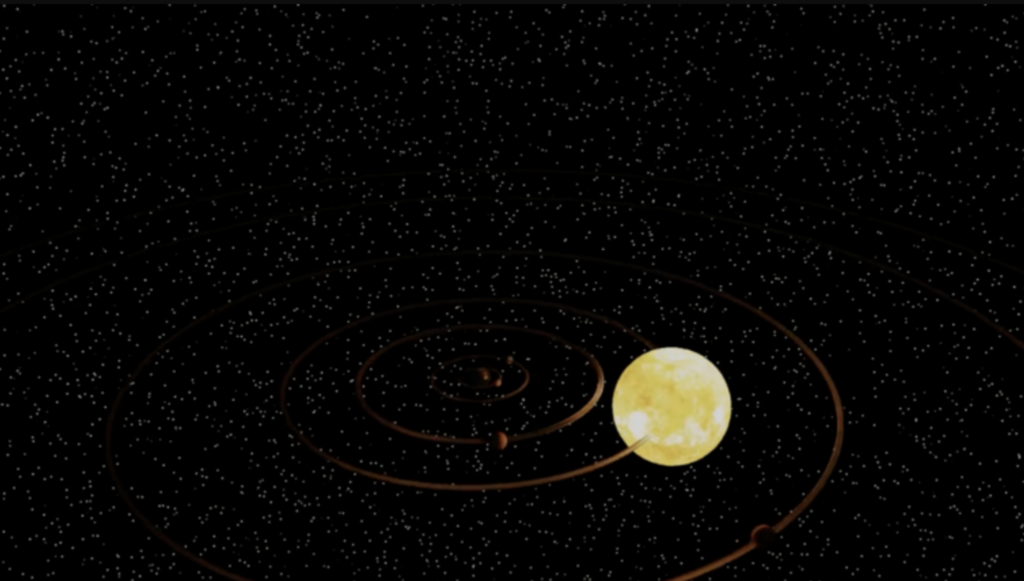
That was the geocentric model, and it held from about 550 B.C.E. right through to the 17th century before better observations forced it aside in favor of the heliocentric model, with the Sun at the center.
Simpler does not automatically mean true, though. So suppose all the complications of a geocentric Universe were correct after all.
You would have to unlearn a great deal.
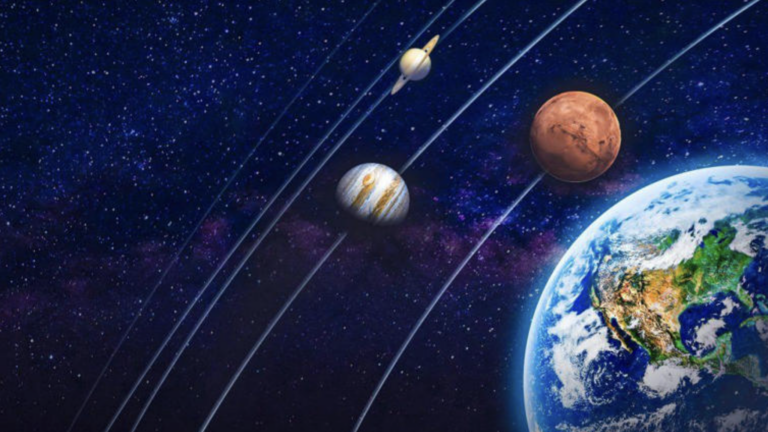
Earth would sit in the middle of everything, surrounded by layers of celestial orbits. The Moon first, then the Sun, then Venus, Mercury, Mars, and the rest of the planets. Beyond them a sphere containing every star, and past that, the edge of the known Universe.
Assuming the laws of gravity stayed as they are, the numbers immediately become a problem.
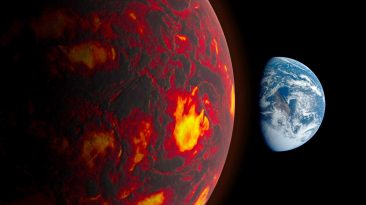
Jupiter is the largest planet in our Solar System and its mass is only 0.1 percent of the Sun’s, while Jupiter itself is over 300 times more massive than Earth. To put us at the center, our planet would have to become vastly bigger and the Sun would have to become vastly smaller.
That is where the scenario turns lethal.
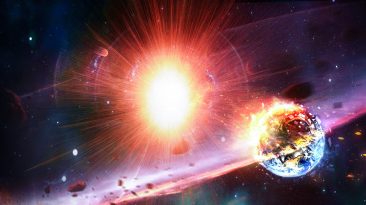
A Sun that small could no longer sustain fusion, which means far less sunlight reaching us. Average temperatures would fall, and they would keep falling until Earth became a single frozen snowball.
The rest of the system would behave strangely too.
The other planets would abandon their elliptical paths and follow odd orbits around us at different speeds. The Moon would be worse, since its orbit would shift every single month rather than staying consistent.
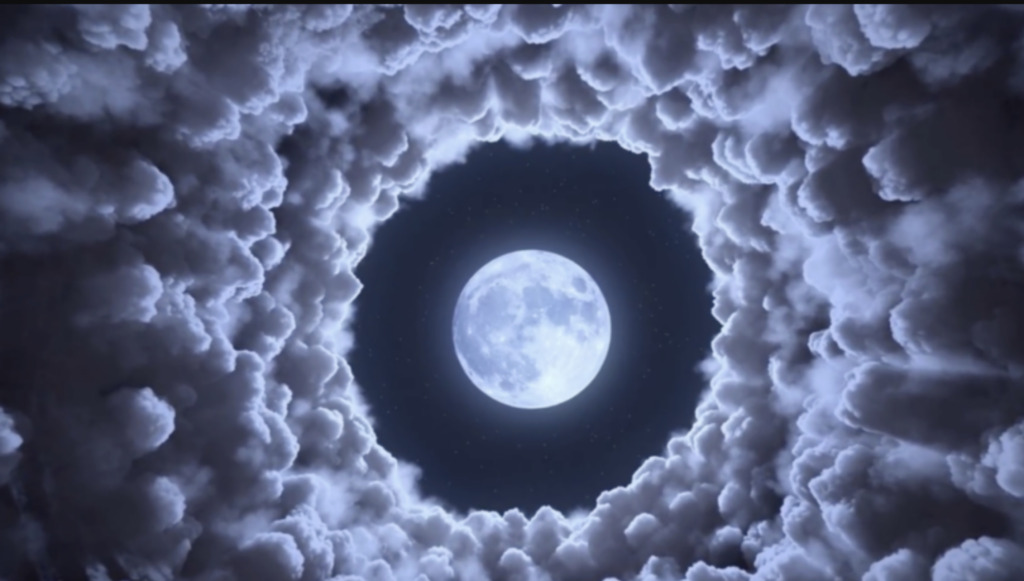
And for anyone still stargazing on a frozen planet, there would be a genuinely bizarre sight. Planets would sometimes appear to move backward.
That happens because they would not simply circle Earth. Each would also trace its own smaller orbit, called an epicycle, producing a looping path across the sky.
At least the seasons would survive, though not for the reason you know. Instead of coming from Earth’s axial tilt, they would come from the Sun moving up and down the celestial equator as it orbited us, warming the Northern Hemisphere at one stage and the Southern at another.
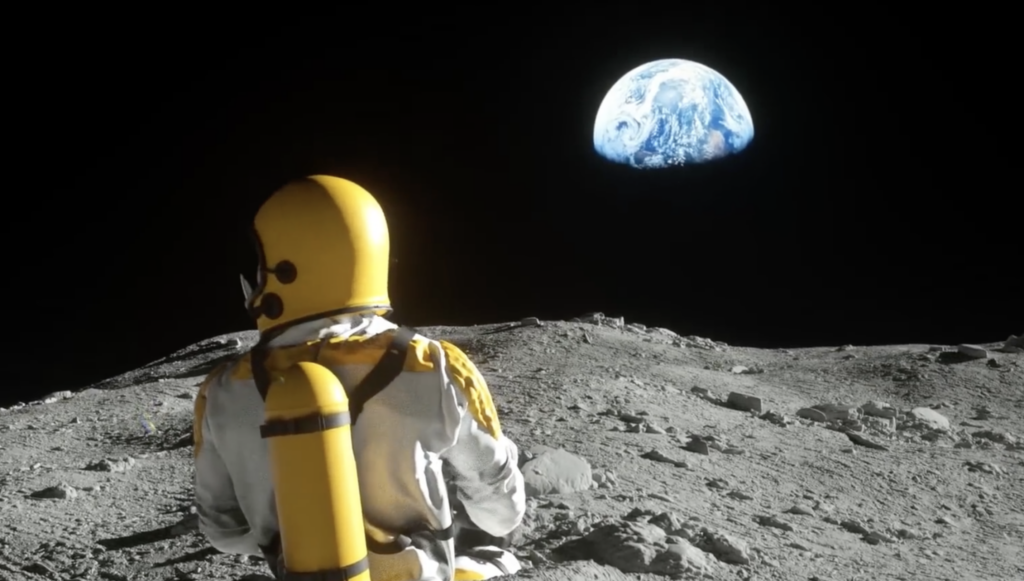
If this is starting to give you a headache, that is roughly how astronomers felt for centuries before the evidence finally settled the matter.
You are not the center of the Universe. Which, given what happens to the Sun in this version, is genuinely good news.