Scientists have a threshold for planetary destruction. An object roughly 96 kilometers wide, striking Earth, would wipe out every living thing on the surface.
Jupiter has several moons that clear that bar comfortably.
So if all 79 of them broke free tomorrow, the interesting question is not what they would become. It is which ones would come looking for us.
Jupiter is the largest planet in our Solar System, with surface gravity two and a half times that of Earth. That enormous pull, combined with its great distance from the Sun, explains why it collects so many moons.
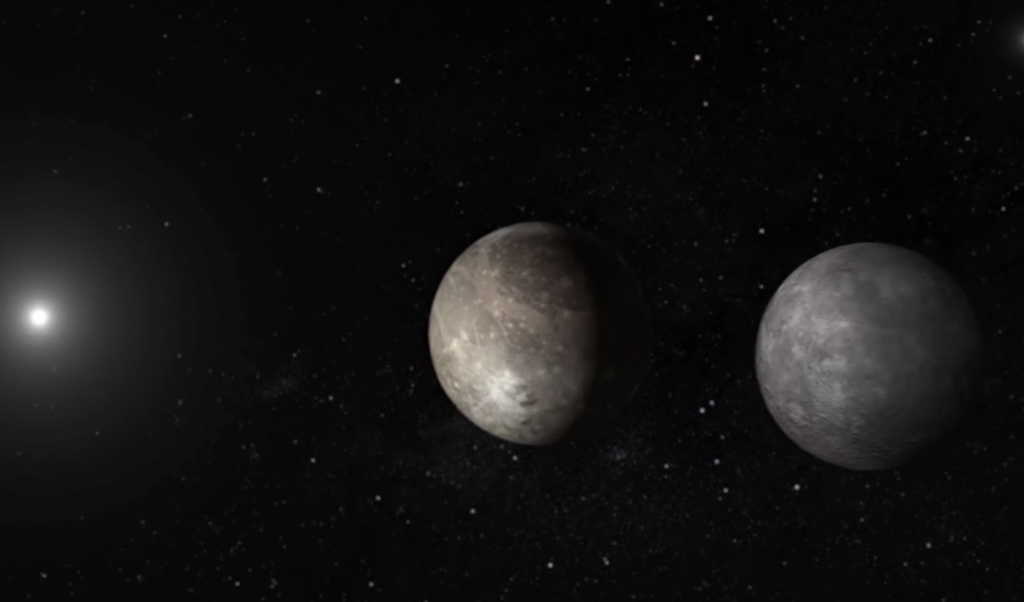
They range from S/2010 J 2, the smallest at about 2 kilometers wide, up to Ganymede, which is larger than the planet Mercury. Europa is roughly the size of our own Moon, and both Europa and Ganymede may hide oceans of liquid water beneath their icy surfaces.
Cut them loose and they would stop being moons entirely. There is no exact definition, but experts describe a moon as an object orbiting a planet or dwarf planet, so the moment they leave those orbits they become something else.
Where they end up decides everything.
If larger moons like Ganymede, Callisto, or Europa drifted toward the Sun, they could settle within the habitable zone, the range between 0.9 and 1.2 AU where Earth sits and liquid water can exist.
Park one of those ocean moons in that band and you might witness the first extraterrestrial life ever found in our Solar System. Give it a billion years.
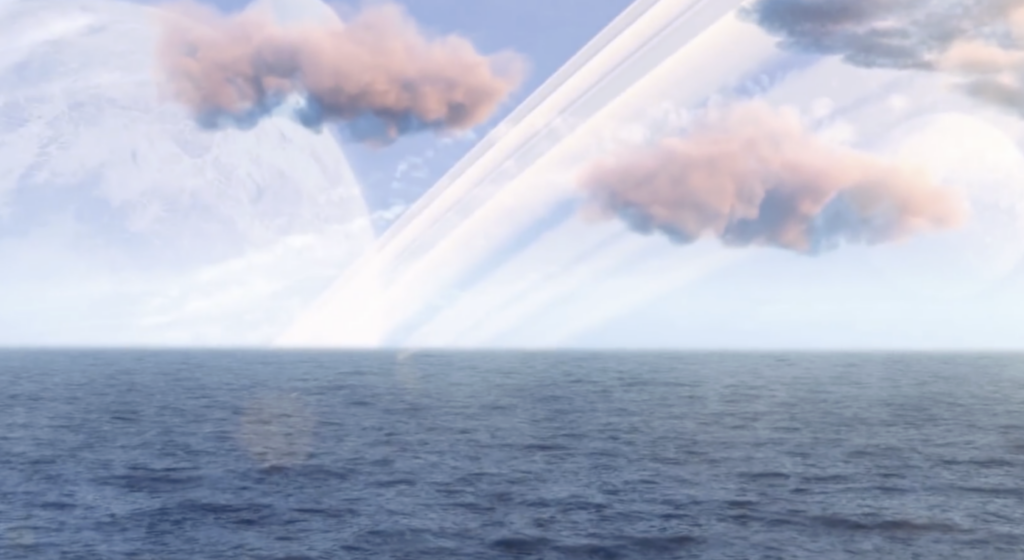
Stay on a rogue path, though, and they would land somewhere either too cold or too hot for anything to survive.
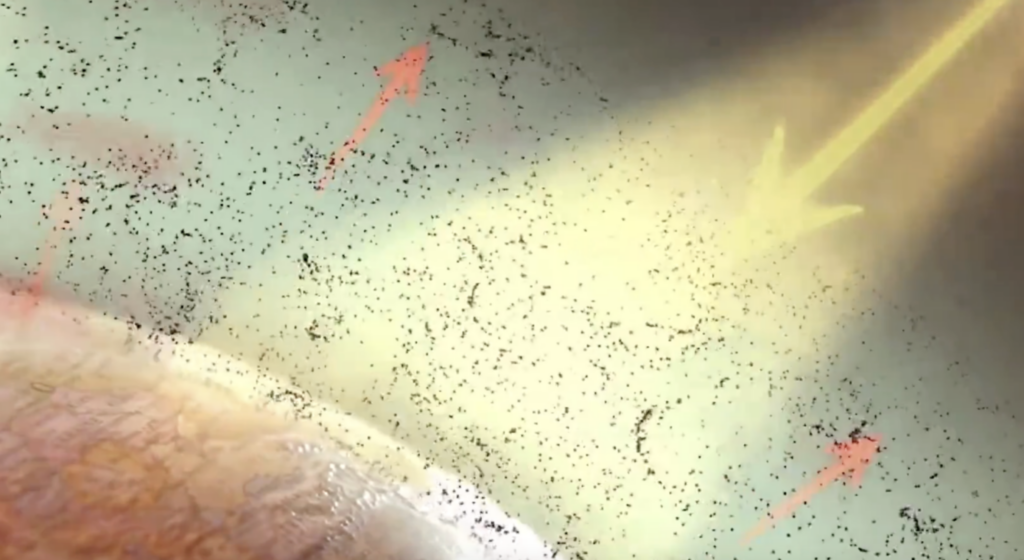
Ice covering these moons reflects sunlight straight back into space, giving them a high albedo, and that starts a vicious cycle. Reflected light means no warming, no warming means more ice forms, more ice means more reflection, and the whole world locks itself into permanent freeze.
The opposite runs just as violently. Water vapor is a greenhouse gas that traps heat exactly the way carbon dioxide does here, so a warming world evaporates more water, which traps more heat, which evaporates more water.
The margin between those two failures is narrow. These former moons would need 10 to 40 percent more sunlight than Earth receives simply to avoid becoming icy snowglobes wandering the Solar System, plus help from greenhouse gases like carbon dioxide and possibly some volcanic activity. Too much help and the runaway warming takes over instead.
Now for the part that concerns us directly.
Seventy nine rogue objects moving through the Solar System means seventy nine possible trajectories, and some of them intersect ours. Even the smallest, at 2 kilometers across, would cause serious damage wherever it landed.
The larger ones end the argument. Against something over 96 kilometers wide, there is no preparation and no survival.
Your best hope would be Earth capturing one or more of them in our gravitational pull instead of taking a direct hit. That hope would not last long.
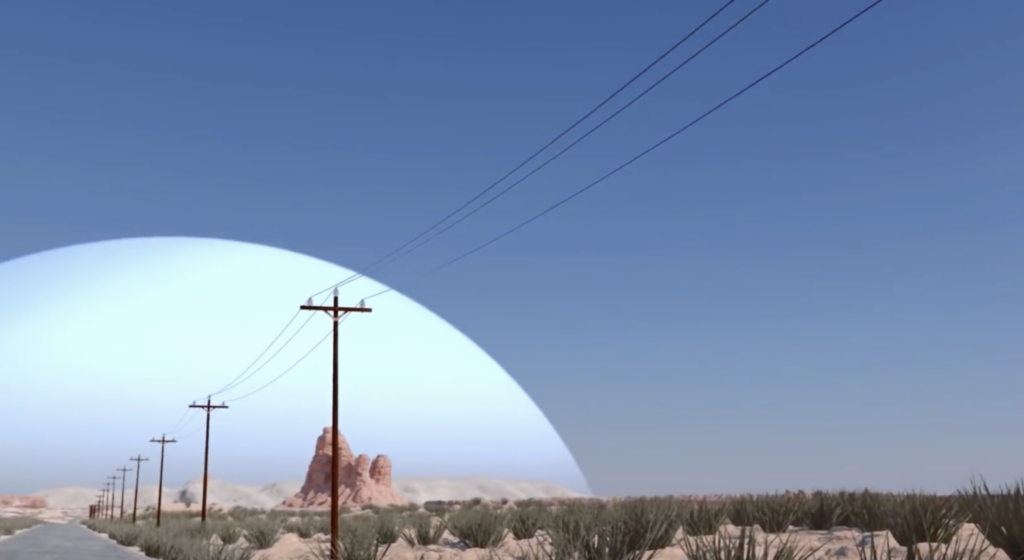
Life here would become difficult, and possibly impossible. Higher tides would make coastal regions uninhabitable, while tsunamis, earthquakes, and volcanic eruptions grew larger and more frequent.
Those eruptions would fill the sky with dust and toxic gases, blocking out sunlight across the planet.
On the bright side, you would have two or more spectacular moons hanging in the night sky, assuming there was still anyone left to look up at them.