Picture the most dangerous liquid you could possibly fall into. Most people think of boiling acid, or molten rock, or water swarming with something venomous. All reasonable guesses, and all wrong.
The deadliest dive on this list looks like a cloud of soft white fog. It has no color, no smell, and it will not burn. It just sits there quietly looking harmless.
We will get to it. First, four other places you would very much like to avoid, working upward from bad to unsurvivable.
5 – Lake Natron
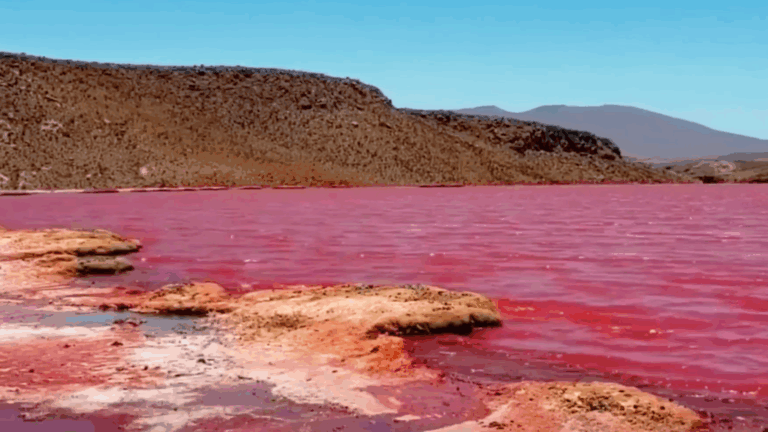
From a distance, Lake Natron looks calm and genuinely beautiful. It is also one of the harshest lakes on the planet.
Sitting near the active volcano Ol Doinyo Lengai, it collects minerals rich in sodium and potassium carbonate carried down from volcanic ash and lava. The result is intensely alkaline water with an extremely high pH, reaching temperatures around 60 degrees Celsius.
A few seconds in that water could leave you with severe third degree burns, and swallowing any of it would badly damage your internal organs.
Then there is the detail that unsettles everyone. Lake Natron preserves the dead. Its chemistry mummifies remains so effectively that feathers, skin, and even soft tissue can stay recognizable for decades.
4 – Pool of Stingrays
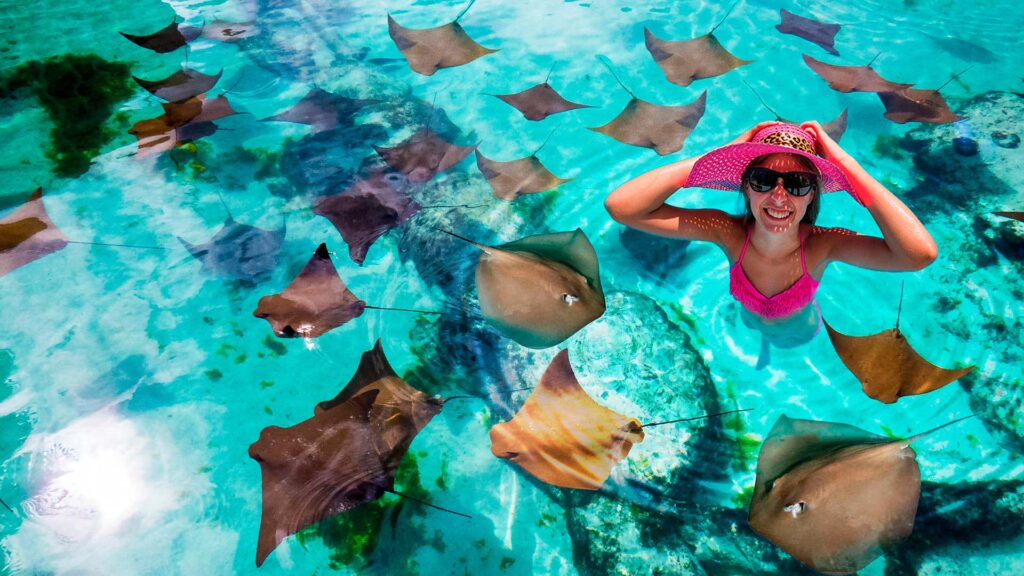
Stingrays look harmless drifting along the seabed, but each one carries a sharp venomous barb capable of inflicting a brutal wound.
When a stingray strikes, venom enters the body fast. The toxin contains serotonin, which triggers intense muscle contractions and extreme pain, and serious injuries often require immediate medical attention.
The reassuring part is that stingrays rarely attack without reason. They sting when cornered or threatened. Give them room and they will almost certainly leave you alone.
3 – Pool of Sharks
Sharks come equipped with remarkable senses, detecting traces of blood in the water and hearing exceptionally well, which makes them highly effective predators.
Yet a bite does not always mean an attack. Sharks are naturally curious and frequently investigate unfamiliar objects with their mouths, roughly the way we use our hands.
There is an irony here too. Many species would not see you as prey at all, since most are built to hunt fish and a human is far larger than their usual targets. In plenty of encounters, the shark is more wary of you than you are of it.
2 – Volcano
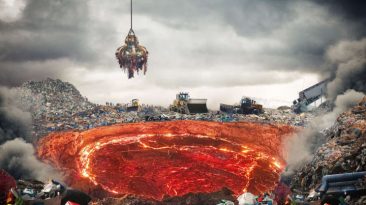
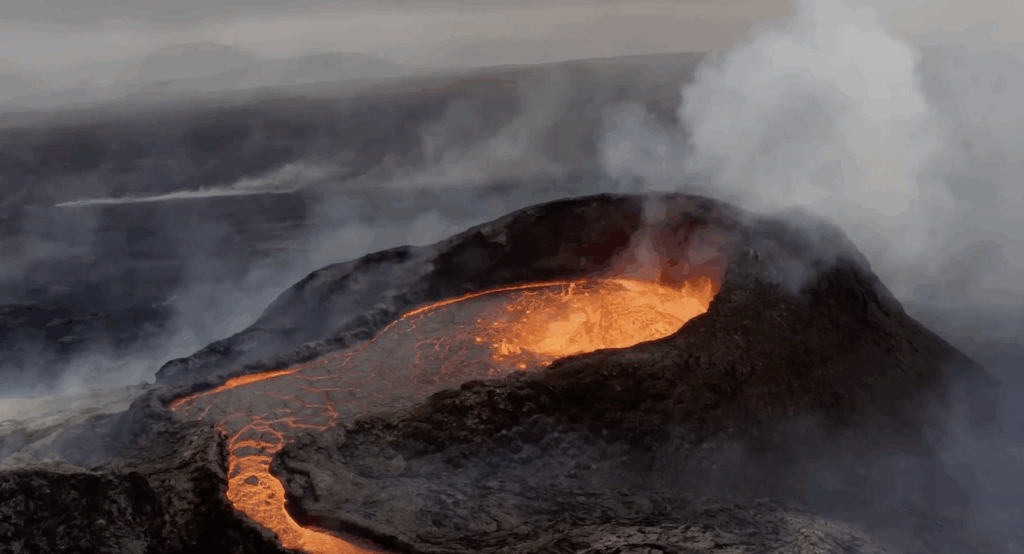
Standing at the rim of an active volcano puts you in an environment of extreme heat and toxic gas, with sulfur compounds, ammonia, and other emissions heated toward 500 degrees Celsius.
Breathing air like that could knock you unconscious quickly. And if you fell in, the impact alone would cause catastrophic injuries before the heat became a factor.
Inside the crater, the temperatures would ignite soft tissue almost immediately and consume nearly everything. Even bone would not last long.
1 – Pool of Liquid Nitrogen
Which brings us back to the fog.
Liquid nitrogen is colorless, odorless, and nonflammable, and it produces those dramatic white clouds when it meets warm air. Nothing about it signals danger.
It kills two ways at once.
First, it rapidly displaces the oxygen around it, creating a serious suffocation risk. You could lose consciousness before understanding what was happening to you.
Second, the extreme cold freezes tissue almost instantly. Skin, fat, muscle, and even blood begin solidifying. If you somehow stayed conscious with your head above the surface, your body would keep freezing until movement stopped entirely.
And here is the final cruelty. The freezing would damage your nerves badly enough to dull the pain, leaving you a frozen, immobile figure submerged in something colder than almost anything found naturally on Earth.