On Earth, rain is water. That is the only version any of us has ever known.
Somewhere out there, rain is liquid iron falling through a 2,200 degree sky. Somewhere else, hurricane winds hurl rubies and sapphires through the atmosphere. On another world entirely, molten rock evaporates, drifts across the planet, and falls back down as stone.
None of these are hypothetical. Astronomers have found them, catalogued them, and measured them.
The universe holds trillions of worlds, and a handful of them break every assumption we have about what a planet is allowed to be. Some melt rock. Some are hotter than stars. One is actively dissolving into space while we watch.
These are the 12 most disturbing planets ever discovered, counting down to the one that is currently dying.
12. GJ 9827 d: The Steam World
The first confirmed steam world sounds almost pleasant. It is not.
Roughly twice the size of Earth, this Neptune like exoplanet carries an atmosphere thick with water vapor. Water usually signals possibility. Here it signals a trap.
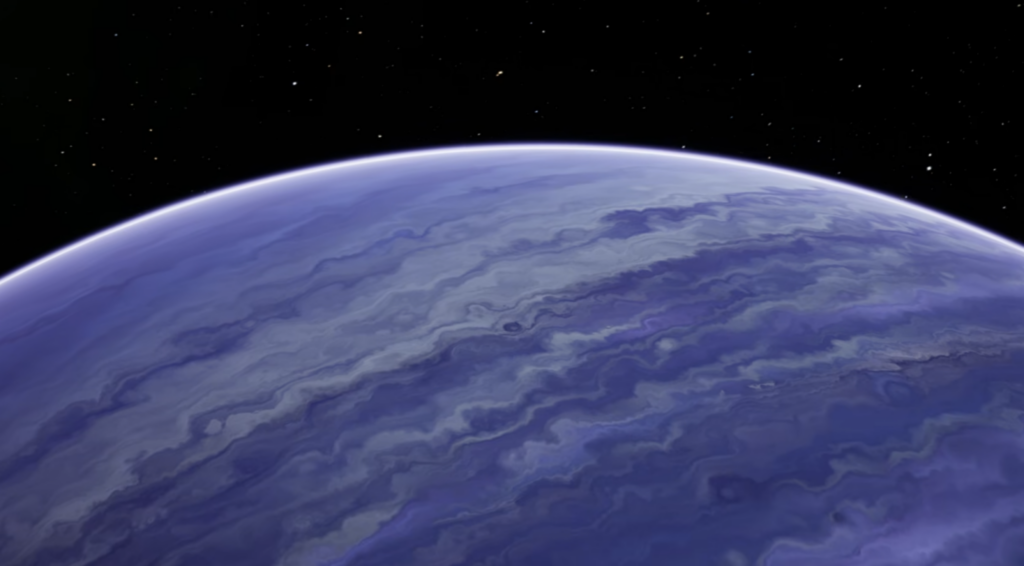
The planet whips around its parent star in just 6.2 days, sitting so close that surface temperatures reach roughly 350 degrees Celsius. There are no gentle clouds and no rainfall. The entire world is sealed inside dense, superheated steam, a pressure cooker where nothing we recognize as life could last.
11. TOI 849 b: The Impossible Planet
Some planets are dangerous. This one is simply not supposed to exist.
TOI 849 b measures about 3.4 times wider than Earth and 40 times more massive, making it the most massive rocky planet ever identified. According to everything we understand about planetary formation, something that large should have swept up enormous quantities of hydrogen and helium and grown into a gas giant.
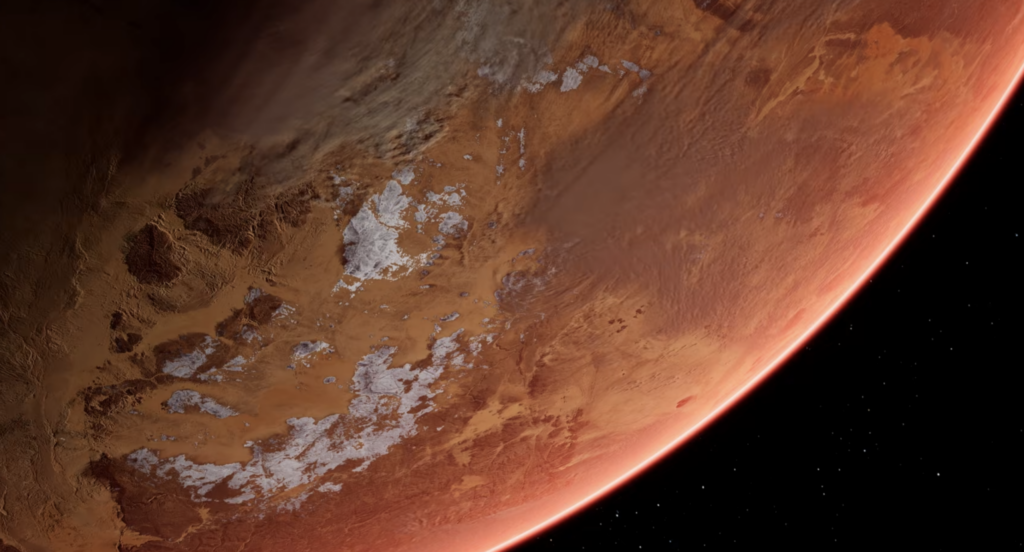
It did not. It remains dense and rocky, and the leading theory is unsettling in its own way: this may be the exposed core of a gas giant that had its entire atmosphere stripped away. Whatever happened, TOI 849 b sits there quietly contradicting our models.
10. KOI 55 b: Hotter Than the Sun
Most planets orbit their star. This one appears to have gone through it.
KOI 55 b likely plunged into the outer layers of its host star and came back out the other side as an exposed planetary core, which is not a survival story any model predicted.
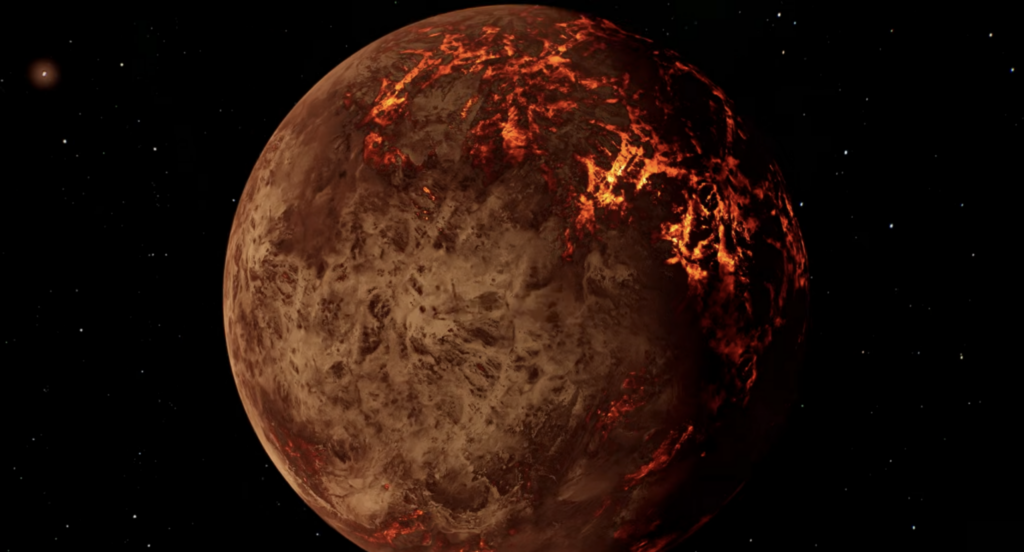
The result is a world where surface temperatures exceed 7,000 degrees Celsius, hotter than the surface of our own Sun. Anything placed there would vaporize instantly. And yet it is still in orbit, still circling the star that nearly consumed it.
9. TOI 1452 b: The Endless Ocean World
We call Earth the blue planet, but water makes up only a tiny fraction of our mass. TOI 1452 b makes us look bone dry.
Scientists estimate that as much as 30 percent of this planet’s entire mass could be water.
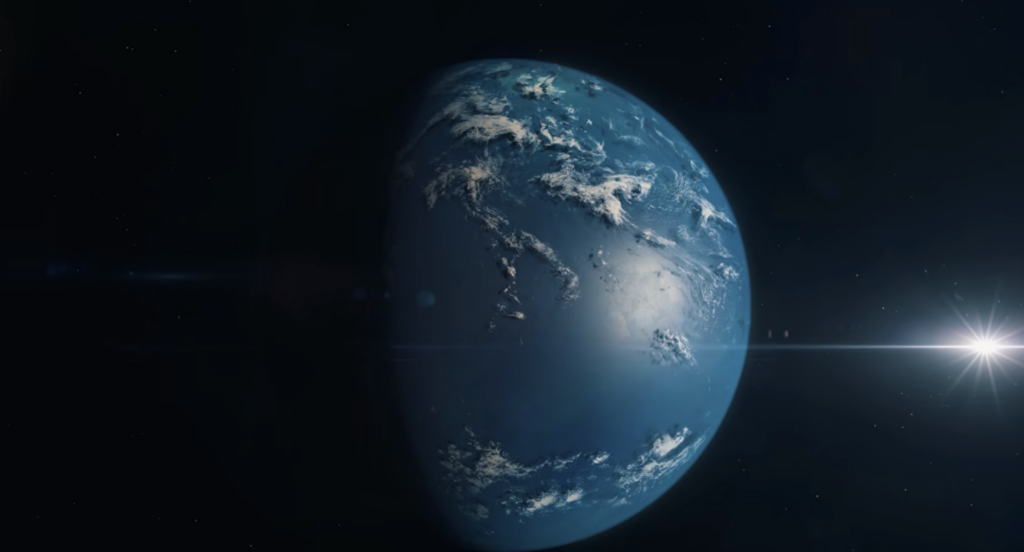
Its oceans could run hundreds of kilometers deep, with no continents, no islands, no dry land anywhere on the globe. Just water in every direction, to depths no Earth creature has ever approached. And in oceans that vast and that deep, nobody can say what might have evolved down there.
8. Miller’s Planet: The Nightmare of Time
This one is fictional, from the film Interstellar, and it earns its place because the physics behind it are real.
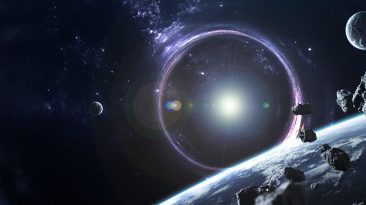
Orbiting perilously close to a supermassive black hole, Miller’s Planet experiences extreme gravitational time dilation. One hour spent standing on its surface equals roughly seven years passing everywhere else in the universe.
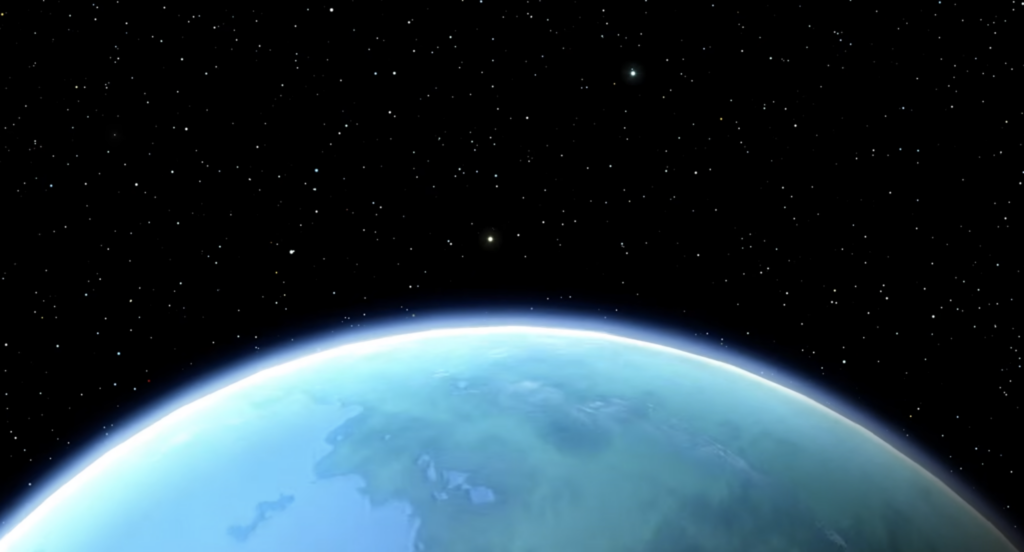
Enormous tidal waves roll across its shallow oceans, but the water is not the horror. Time is. A brief visit could mean returning to find decades gone and everyone you knew aged past recognition. Invented, yes. Theoretically possible, also yes.
7. HD 189733 b: The Planet of Flying Glass
From a distance it looks like home. A deep, familiar blue, the color of oceans seen from orbit.
That blue is not water. It comes from silicate particles suspended high in the atmosphere.
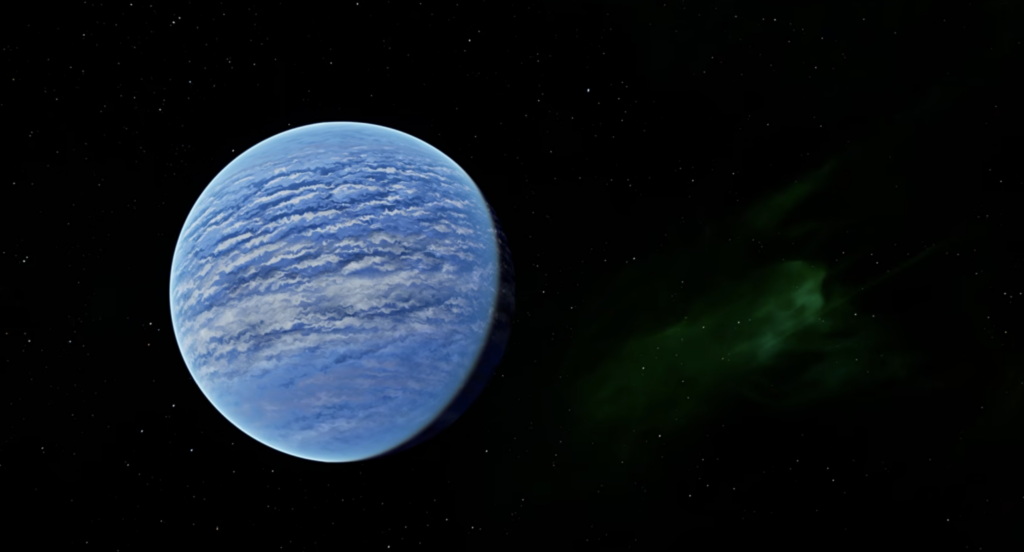
Winds tear across this planet at more than 8,000 kilometers per hour, carrying microscopic shards of glass with them. Picture a hurricane moving several times faster than sound while sandblasting everything in its path with razor edged particles. No spacecraft and no organism would survive contact for more than moments.
6. WASP 12 b: The Dying Diamond World
WASP 12 b ranks among the darkest planets known, swallowing nearly all the light that touches it. Yet it still glows, powered by its own ferocious internal heat.
It also holds staggering amounts of carbon, which has led researchers to speculate that parts of its interior may be rich in diamond.
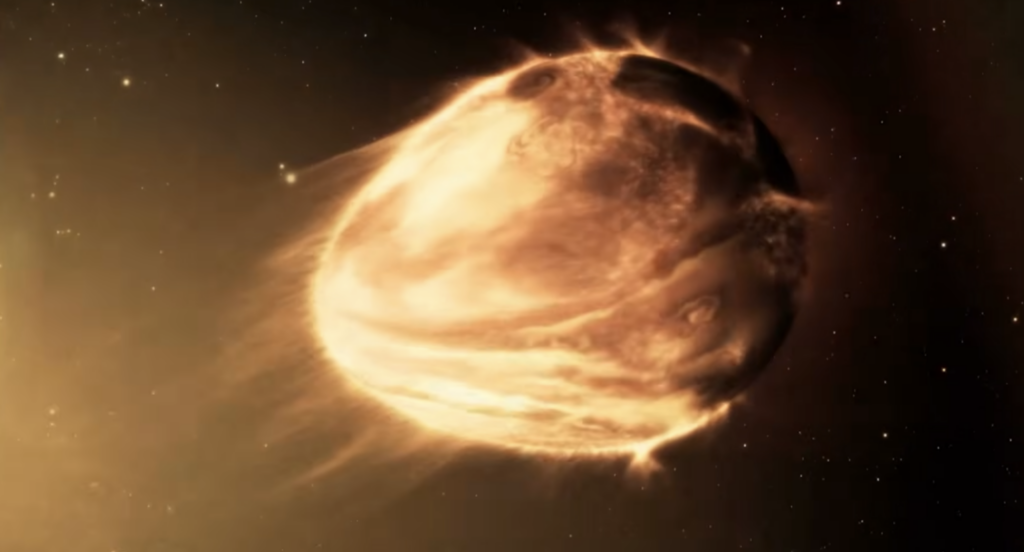
A dark world full of diamonds should be the highlight. Instead, the disturbing part is its future. WASP 12 b orbits so close to its star that the star is eating it, stripping material away and guaranteeing eventual destruction.
5. WASP 76 b: The Planet Where Iron Rains
Here is the world that gives this list its name.
Daytime temperatures on WASP 76 b climb past 2,200 degrees Celsius, hot enough to boil iron straight into the atmosphere as vapor. Powerful winds then drag that metal vapor around toward the cooler night side of the planet.
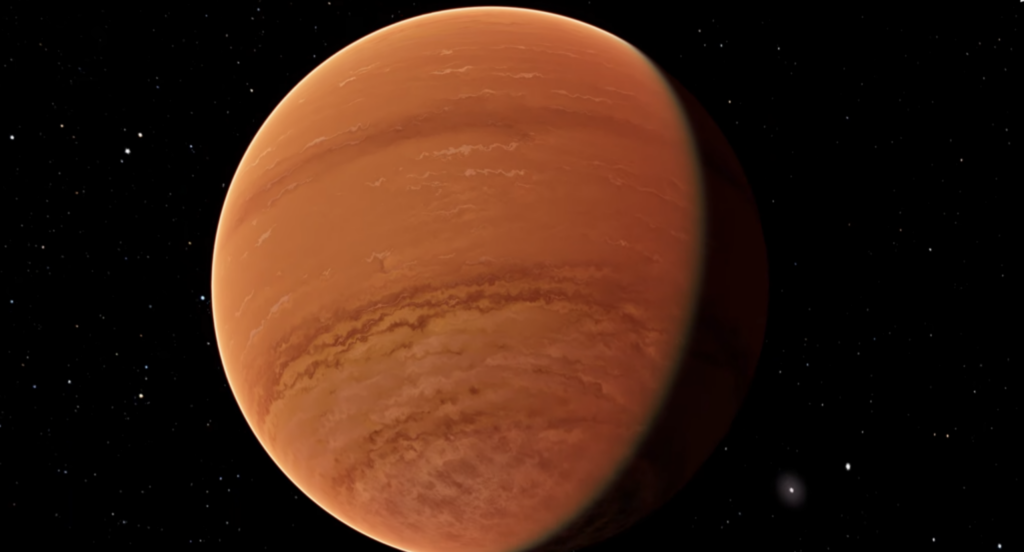
As the temperature drops, the vapor condenses. And then it falls.
Not water. Molten iron, streaming out of the sky in a weather cycle that has no equivalent anywhere in our Solar System.
4. HAT P 7 b: Ruby and Sapphire Storms
Another of the darkest exoplanets ever observed, reflecting almost nothing back into space. But inside that darkness, something extraordinary is forming.
High altitude winds churn the atmosphere constantly, producing clouds rich in corundum, the mineral that becomes rubies and sapphires.
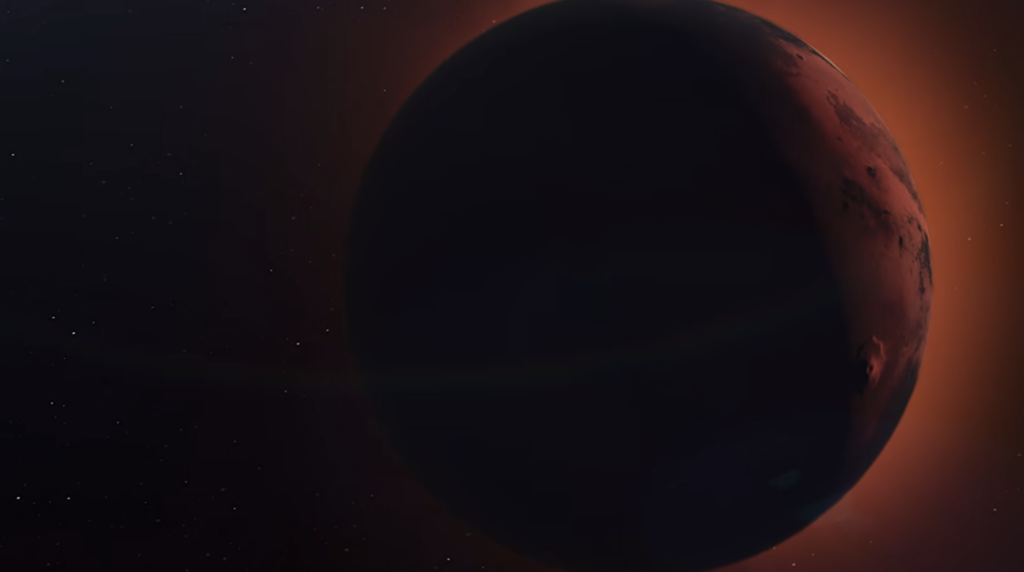
Under the right conditions, gemstones may genuinely fall from the sky there.
It sounds like a fantasy until you add the wind speeds. Hurricane force gales driving ruby and sapphire particles through the air turn a jewel storm into a shredding machine. Beauty and lethality, sharing the same atmosphere.
3. GL 436 b: The Planet of Hot Ice
This world breaks a rule you learned as a child.
Temperatures on GL 436 b exceed 300 degrees Celsius, and yet much of its water stays frozen solid.
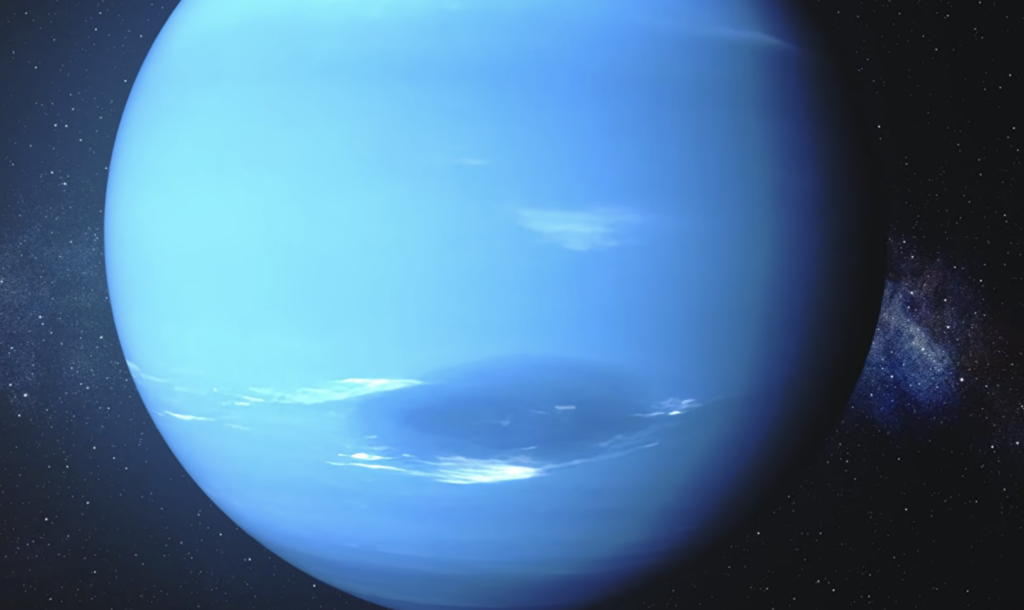
The reason is pressure. Immense gravitational force squeezes the water molecules so hard they cannot expand into steam, locking them into a solid state scientists call hot ice.
On Earth, ice melts long before anything gets that hot. On GL 436 b, the ice stays frozen while being hot enough to burn nearly anything it touches.
2. K2 141 b: The Rock Rain Hellscape
One hemisphere faces the star forever. The other never sees light at all.
On the daylight side, temperatures rise high enough to melt the ground itself into vast oceans of magma. That molten rock then evaporates into the atmosphere, and supersonic winds haul the vapor across the planet toward the frozen dark side.
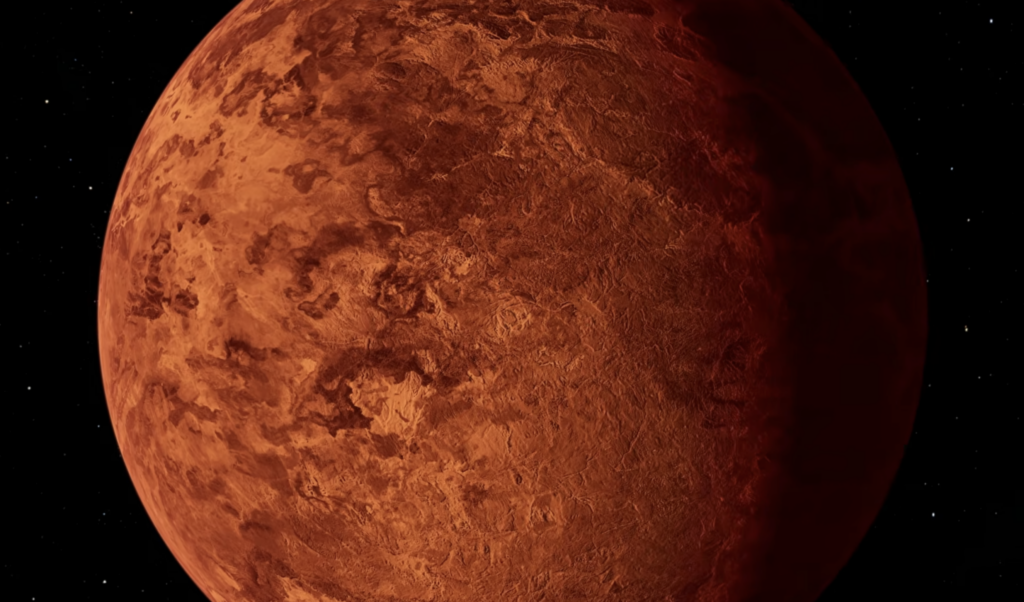
There it condenses and falls as rock rain.
Then rivers of molten stone creep slowly back toward the burning hemisphere to start the cycle again. A planet with its own permanent weather system made entirely of liquefied rock.
1. BD+05 4868 Ab: The Evaporating Planet
Every other world on this list is hostile. This one is dying.
BD+05 4868 Ab orbits roughly 20 times closer to its star than Mercury is to the Sun, absorbing relentless heat and radiation. Its surface is not land or ocean but a globe spanning sea of magma.
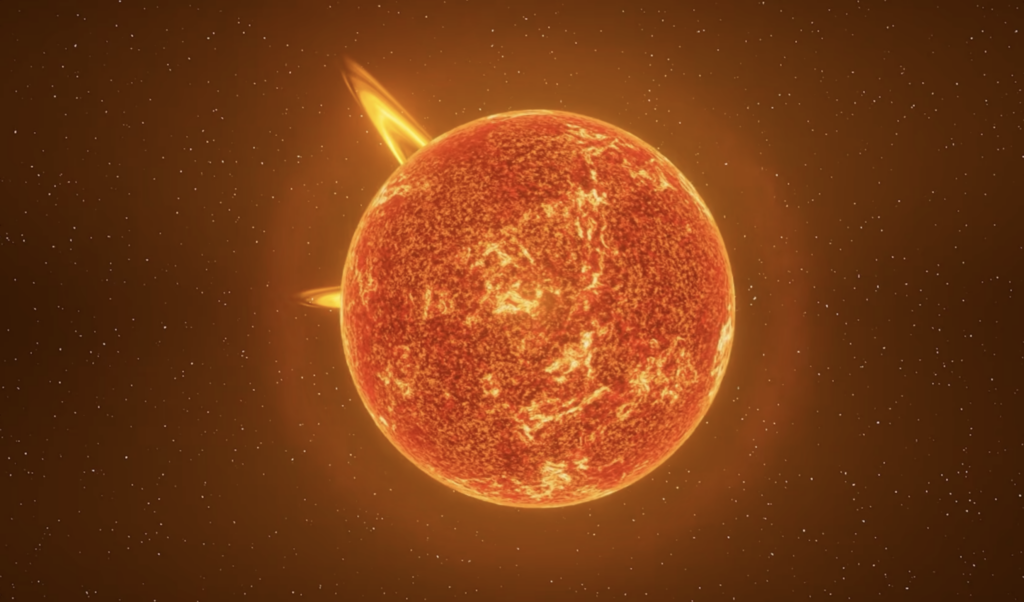
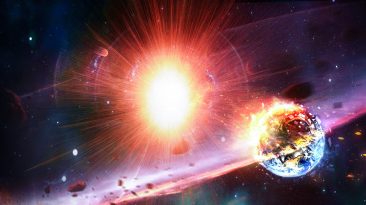
And the star is peeling it apart. Intense energy strips material off the planet continuously, trailing a comet like tail roughly nine million kilometers long behind it.
Every single orbit costs it more of itself.
Astronomers are not studying a dangerous world here. They are watching an entire planet dissolve in real time, and there is nothing at the end of that process except an empty orbit where a world used to be.