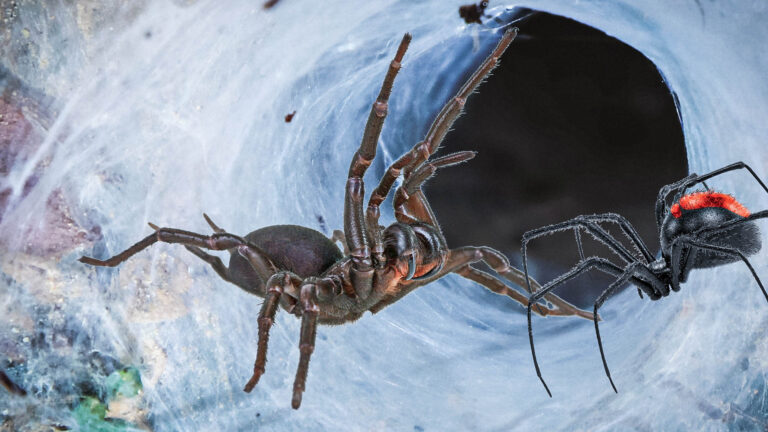
Corner a black widow and it runs.
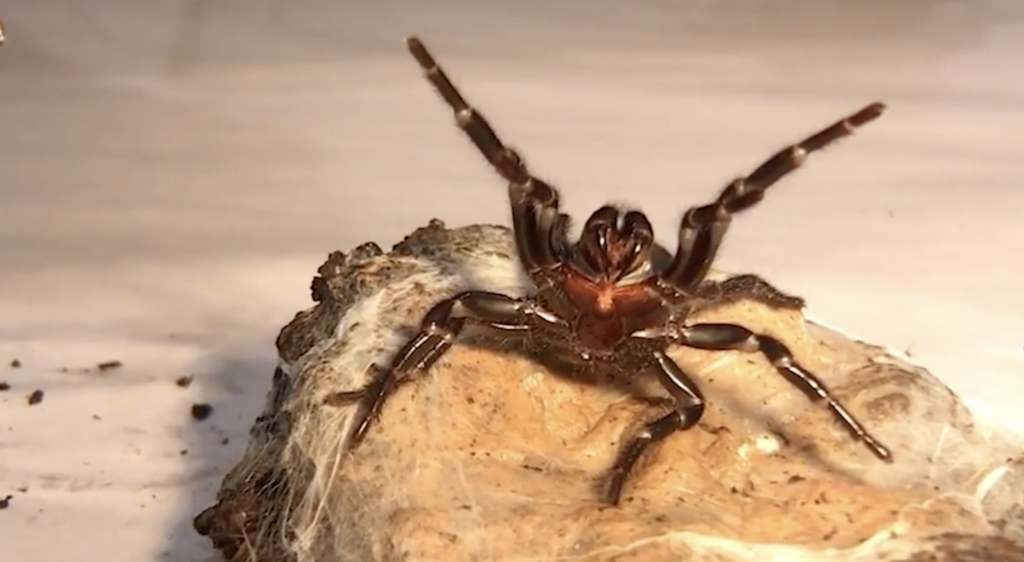
Corner a Sydney funnel web and it rises onto its back legs, exposes its fangs, and strikes again and again.
That single difference in temperament settles an argument that venom potency alone cannot.
Few creatures generate as much fear as venomous spiders, and two names dominate the list: the black widow and the Sydney funnel web. Both carry fearsome reputations and genuinely powerful venom.
But which one is actually more dangerous to a human? Answering that means comparing venom, behavior, habitat, and history.
Meet the Black Widow
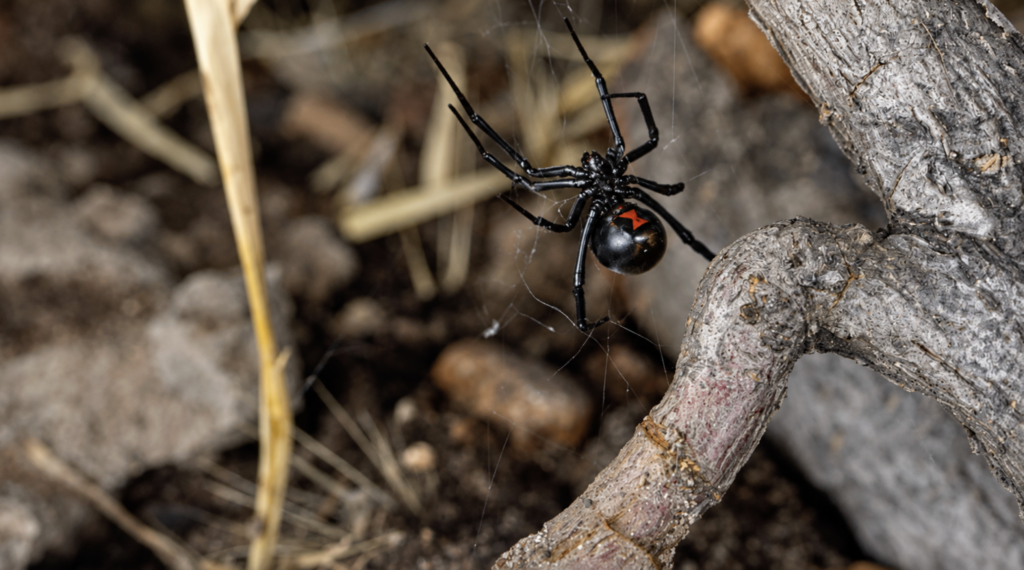
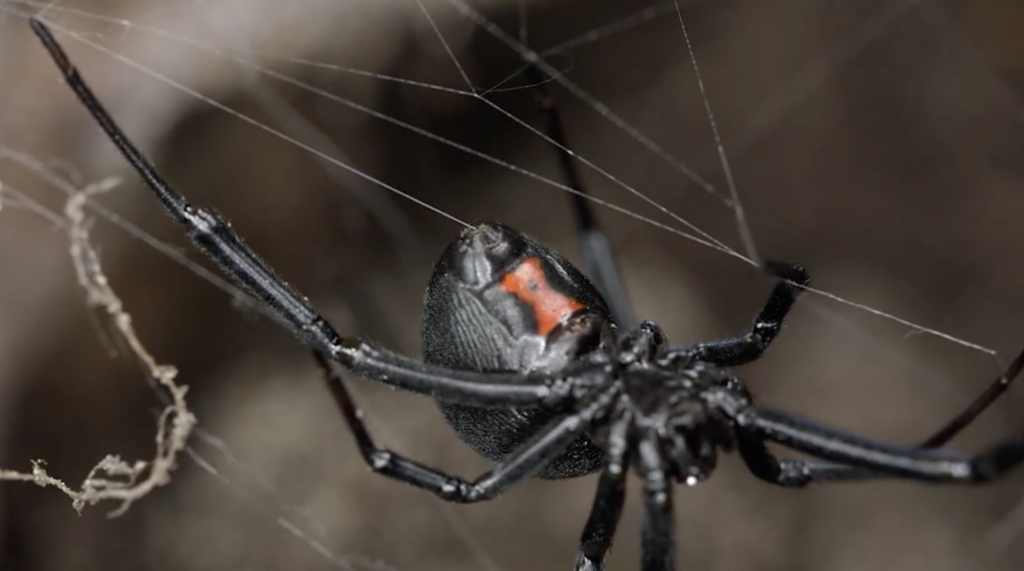
The glossy black body and red hourglass marking have become universal symbols of danger, making this one of the most recognizable spiders on the planet.
Black widows live across dry and temperate regions worldwide, building webs in dark sheltered places like woodpiles, sheds, garages, and around homes. Because they settle so close to people, encounters happen regularly.
Their venom does not disappoint. Drop for drop, it is often described as significantly more toxic than rattlesnake venom, containing a powerful neurotoxin that attacks the nervous system and causes muscle pain, cramps, sweating, and in severe cases temporary paralysis.
Yet deaths are rare. Their small size limits how much venom they can inject, and many bites are defensive or deliver reduced doses.
Meet the Sydney Funnel Web
If the black widow is intimidating, this one is worse. Native to Australia, the funnel web prefers cool moist environments where it digs silk lined burrows with distinctive funnel shaped entrances.

It measures only about 2 centimeters, and yet its fangs are exceptionally large and powerful, capable of piercing skin effortlessly and, under certain circumstances, punching straight through a fingernail or toenail.
The venom is what truly separates it. Unlike most spider toxins, funnel web venom is especially dangerous to primates, which unfortunately includes us. It attacks the nervous system and triggers a rapid cascade of symptoms running from severe pain and sweating to breathing difficulties and cardiovascular complications.
In extreme cases, symptoms appear within minutes. Before effective treatments existed, severe bites occasionally proved fatal.
Comparing the Venom
Both are neurotoxic, but they attack differently.
Black widow venom disrupts communication between nerves, producing intense pain and muscle contractions. Symptoms usually develop within 30 to 40 minutes and can linger for days.
Funnel web venom moves faster and hits harder, causing nerve cells to fire uncontrollably. Historically, some untreated bites escalated so quickly that immediate medical attention was the only thing standing between the victim and disaster.
On venom alone, the funnel web is the more medically significant threat.
Which One Actually Bites You
Here is the part that decides everything. Venom means nothing if the spider never sinks its fangs into you.
Black widows are genuinely shy. They avoid confrontation and retreat when disturbed, and many bites happen only because the spider got trapped against someone’s skin with nowhere to go.
Funnel webs, especially the males, behave in the opposite way. They stand their ground, rear up, display their fangs, and strike repeatedly when they feel threatened.
Willingness to attack turns dangerous venom into an actual danger.
Which Kills More People
In North America, the black widow is regarded as the most dangerous spider largely because of how many medically significant bites it causes.
Funnel webs, though, have been behind some of the most severe spider envenomations ever recorded. Combine potent venom with aggressive defense and you get a reputation as one of the deadliest spiders in the world.
Modern medicine has rewritten this story. Effective antivenoms now exist for both species, dramatically reducing the risk of fatal outcomes.
The Verdict
Judged on venom potency and the severity of untreated bites, the Sydney funnel web takes the title. Its venom acts rapidly, its bites can turn critical fast, and it is far more willing to attack when threatened.
The black widow remains formidable, with venom that outclasses a rattlesnake drop for drop. It simply does not want the fight, and rarely delivers enough venom to threaten a life.
So the funnel web wins, and not because of chemistry. It wins on attitude.
Fortunately, both spiders would much rather avoid you entirely, and antivenoms have turned encounters that once killed people into treatable medical emergencies.