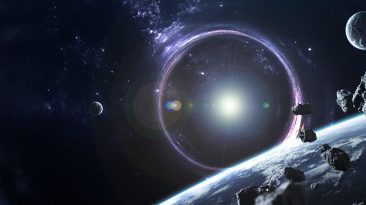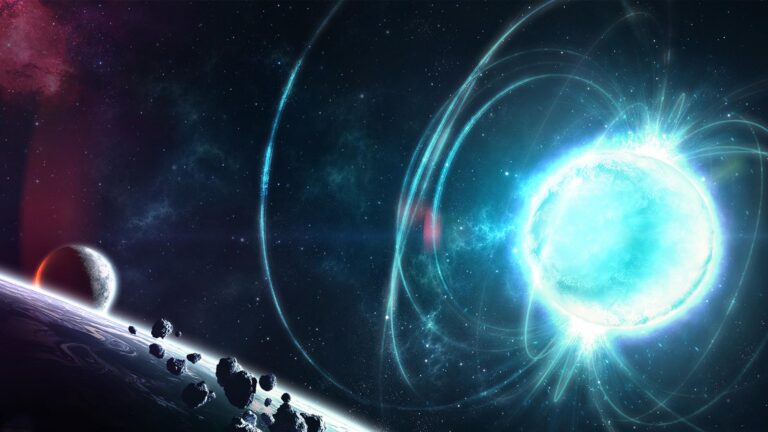
One quadrillion gauss. A one with fifteen zeros behind it.
That is the magnetic field strength of a magnetar, and to put it in perspective, Earth’s own field measures about 0.6 gauss. A refrigerator magnet manages 10. The most powerful magnet humans have ever built reaches roughly 410,000.
This is the most powerful object in the Universe. The biggest spinning magnet that has ever existed.
Think of it as the cosmic equivalent of a great white shark, except it would not eat you. It would simply turn every atom in your body to dust.
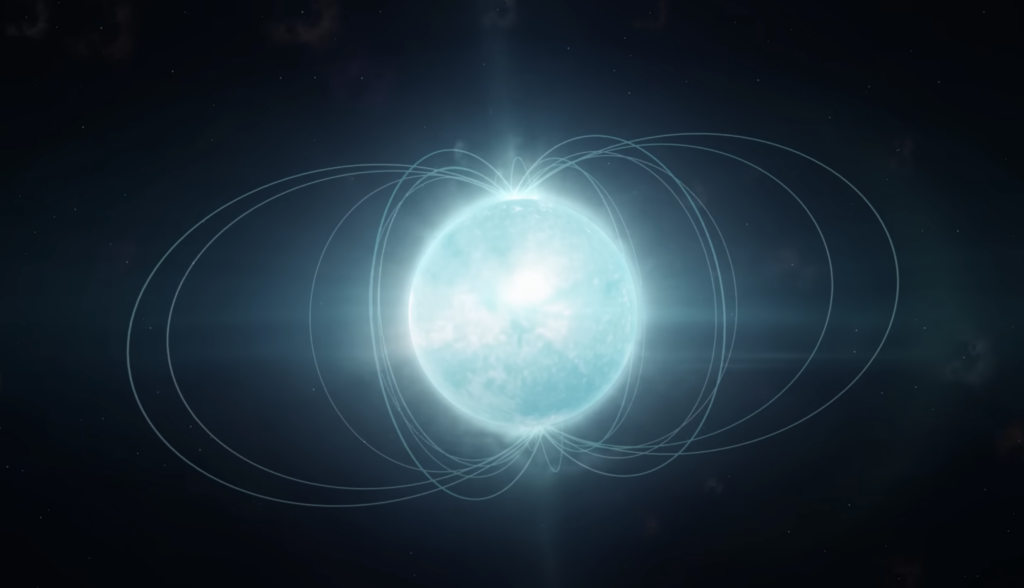
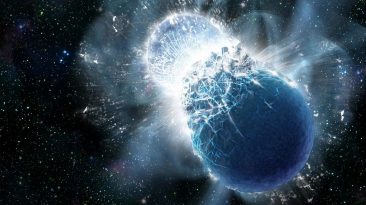
If neutron stars already sounded terrifying, meet their more powerful cousins. Magnetars are also leftovers from supernova explosions, just packed with far more matter. A single teaspoon of one could weigh a billion tons.
So how long would something like that need to tear our planet apart?
Honestly, a magnetar sitting quietly in our galactic neighborhood would not be a disaster. The problem starts if it stops minding its own business, and there are two ways it could end all life on Earth along with the planet itself.
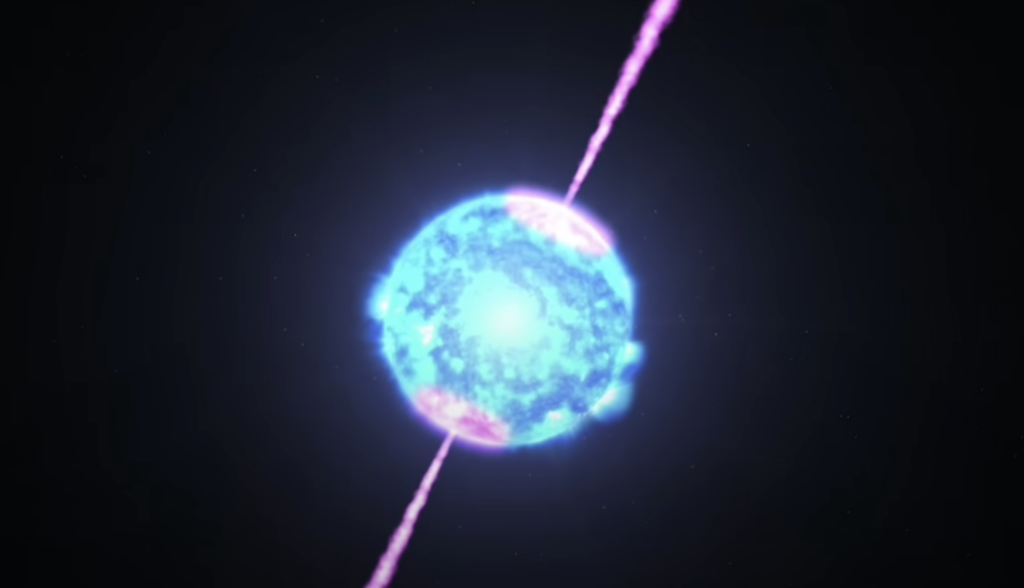
The first is proximity.
You would begin feeling its presence once it reached roughly halfway between the Moon and Earth. At that distance, it would wipe every magnetic strip on every credit card you own.
Then comes the line you never want to cross. Do not get within 1,000 km of it.
Inside that boundary, your atoms would be stretched out of shape. Your bioelectric field would scramble, your molecular structure would disintegrate, and your body would simply disappear.
The second way needs no proximity at all.
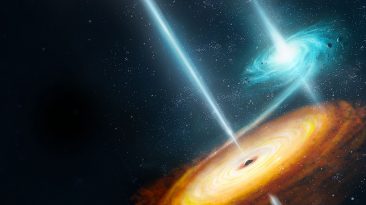
Magnetars suffer from something called starquakes, moments when the crust of the star cracks open and releases massive amounts of radiation into space. That radiation blast could compress Earth’s magnetic field and partially ionize our atmosphere from as far away as 50,000 light years.
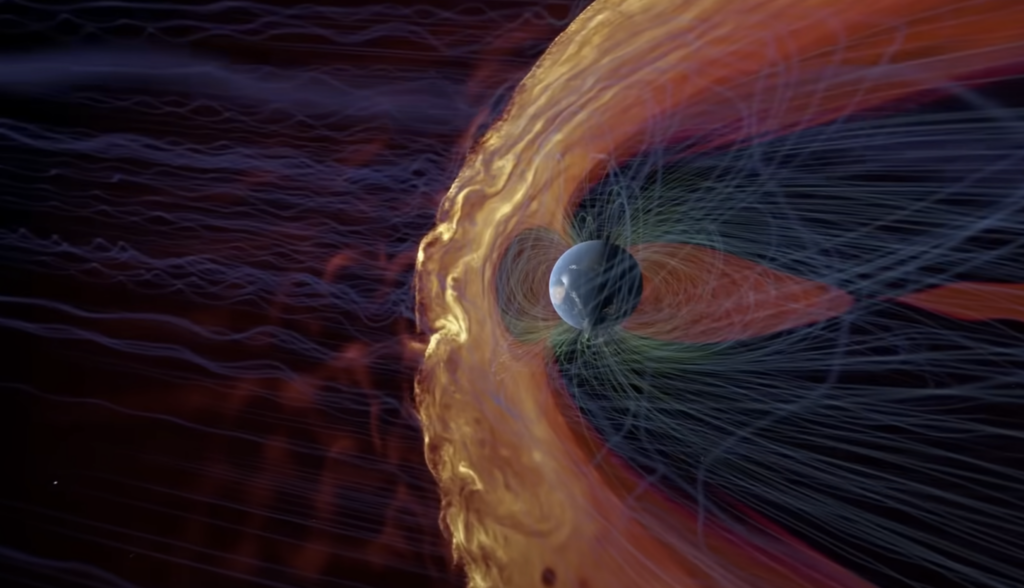
We know because it has already happened. In 2004, gamma radiation from a magnetar reached us from outside the Milky Way entirely. In one fifth of a second, it released more energy than our Sun has produced in the last 250,000 years.
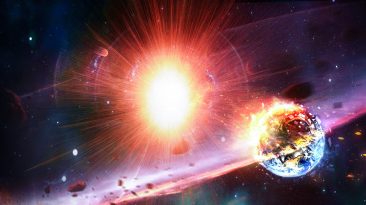
Now bring that same starquake to within 10,000 light years and the outcome changes completely. First the ozone layer is destroyed. Then most of the planet’s surface is wiped clean, along with all life as we know it.
And here is the genuinely unsettling part. We would never see it coming. Blink and you are gone.
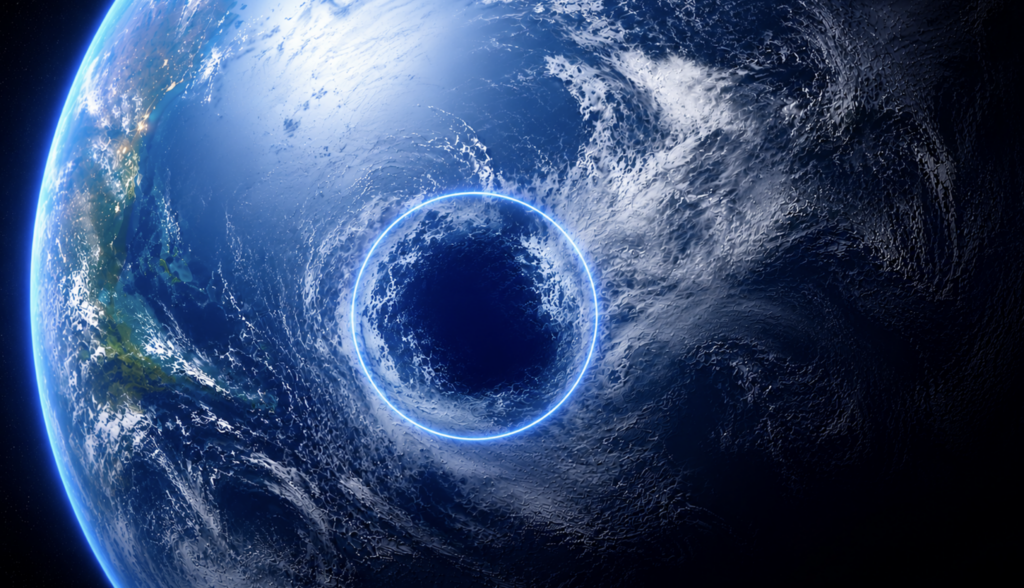
I will not soften this one. There are magnetars close enough right now that a violent starquake would erase us very quickly.
When scientists began hunting these interstellar monsters 40 years ago, nobody realized how many were out there.
Take whatever comfort you can from this: most magnetars do not survive much past 10,000 years old. Their brief lives end when they settle into neutron stars, still dense and still magnetic, but nowhere near as dangerous as what they used to be.