Few names have defined an era of politics quite like Vladimir Putin’s has defined modern Russia. A former officer in the KGB, he has spent more than twenty years crafting a public image built on toughness, tight control, and a promise of national renewal. Across his time in office, Russia has passed through sweeping political changes, foreign wars, and growing isolation from much of the global economy.
Legal changes to the constitution now allow him to potentially stay in office all the way until 2036, positioning him among the longest serving leaders Russia has seen in the modern era. That longevity makes one question worth asking seriously: what would actually happen inside the country if he suddenly stopped being in charge?
Answering that requires first understanding how power actually flows through the modern Russian state.
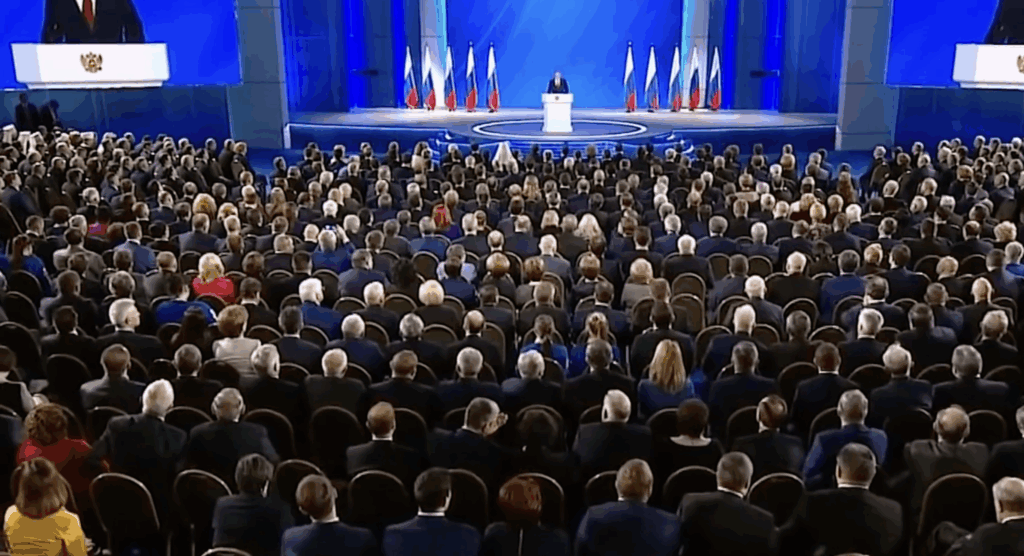
On paper, the process looks straightforward. Should the president become unable to continue serving, leadership would pass temporarily to the Prime Minister, a position currently held by Mikhail Mishustin, who would take on the role of interim leader while the country organized new elections within a limited window of time.
Reality would almost certainly look messier than that official procedure suggests. Putin has spent years constructing a system where loyal figures occupy nearly every important seat across government, the military, and major economic institutions. A change at the very top, even one meant to be temporary, could still set off fierce competition among those figures for lasting control.
That kind of sudden vacancy tends to invite exactly this sort of struggle, pulling political insiders, security officials, and regional power holders into a scramble as each tries to claim influence over a different piece of the state.
This would not be unprecedented territory for Russia. Something similar played out after Joseph Stalin died in 1953, when power consolidated rapidly and largely out of public view before ordinary citizens grasped the full scope of what had happened.
Because Russia’s political system is so tightly bound to its military and security services, a leadership vacuum would also raise serious questions about who actually controls the country’s strategic forces, its nuclear arsenal included, during such an unsettled period.
Layered on top of that political uncertainty is an economy already strained by international sanctions tied to the war in Ukraine. Those measures have reshaped banking, disrupted established trade routes, and limited access to global markets, altering daily life across the country in ways that are still unfolding.
Access to international financial networks has been cut back sharply, making cross border transactions far harder to complete, while restrictions on imports and exports have sent ripple effects through nearly every part of the domestic economy.
A sudden change in leadership dropped into that environment could go one of two ways. It might deepen existing pressure and instability, or it could crack open space for political restructuring, with some observers suggesting that economic strain combined with uncertainty at the top might fuel demands for reform or the rise of entirely new political movements.
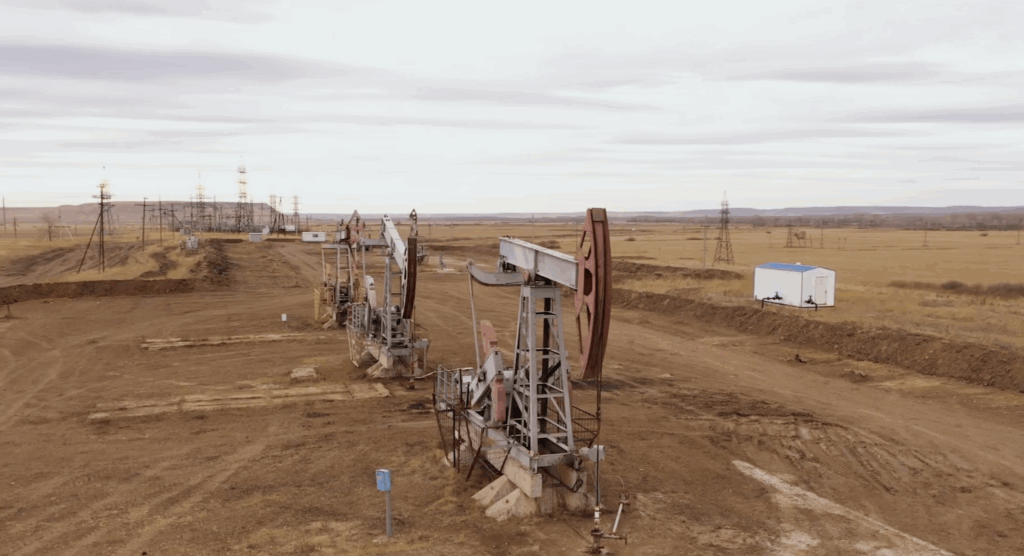
Russia’s economy, though, does not exist in isolation. It remains deeply woven into global markets, particularly through energy and raw materials, given its position as a major exporter of oil, gas, grain, and metals. Any real instability at the top could send effects well beyond its own borders, touching global prices and supply chains almost immediately.
Given those ties, major economies including the United States and countries across Europe would be watching any shift in Russian leadership extremely closely, precisely because of how much is economically and strategically intertwined.
Back home, how the public reacts would hinge largely on how stable or chaotic the transition looks from the outside. Governments built around tight political control tend to manage these moments carefully, aiming to project continuity and avoid anything resembling widespread disruption.
One possible path would see a successor closely aligned with the current system simply continuing existing policy with little visible change. A different path could see internal factions split into competing centers of power, producing a far less predictable political landscape.