The universe is home to trillions of worlds, but not all planets are created equal. Some are scorching enough to melt rock, others are battered by storms of molten metal, and a few challenge everything scientists thought they knew about planetary formation. These worlds are not simply strange.
They are deeply unsettling. From planets hotter than stars to worlds covered by endless oceans and planets that are literally evaporating into space, here are the most disturbing planets ever discovered.
12. GJ 9827 d: The Steam World
GJ 9827 d is one of the strangest planets ever found and the first confirmed “steam world.” Roughly twice the size of Earth, this Neptune like exoplanet possesses an atmosphere rich in water vapor. At first glance, that may sound inviting, but the reality is far more terrifying.
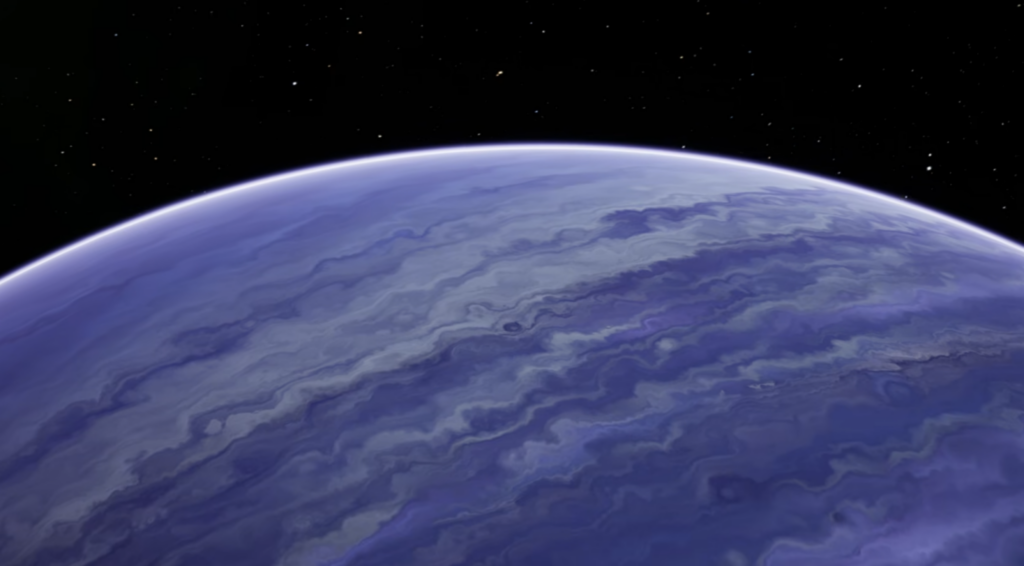
The planet orbits extremely close to its parent star, completing a full orbit in just 6.2 days. Surface temperatures reach approximately 350 degrees Celsius, creating an atmosphere of dense, superheated steam. Rather than gentle clouds and rain, this world is wrapped in a deadly pressure cooker environment where no known life could survive.
11. TOI 849 b: The Impossible Planet
TOI 849 b has baffled astronomers since its discovery. It is roughly 3.4 times wider than Earth and forty times more massive, making it the most massive rocky planet ever identified. According to current theories, a planet this large should have accumulated enormous amounts of hydrogen and helium and become a gas giant.
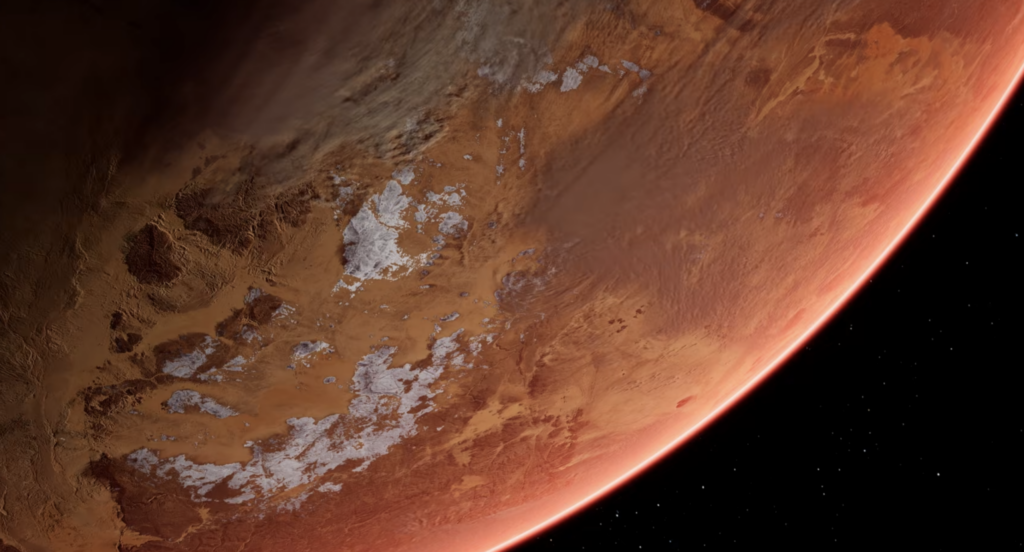
Instead, it remains a dense rocky world. Scientists suspect it may be the exposed core of a former gas giant whose atmosphere was somehow stripped away. Whatever its history, TOI 849 b challenges our understanding of how planets form and exists where many researchers believe it should not.
10. KOI 55 b: Hotter Than the Sun
Most planets orbit stars. KOI 55 b appears to have survived one. This extraordinary world likely plunged into the outer layers of its host star before emerging as an exposed planetary core. The result is one of the hottest planets ever discovered.
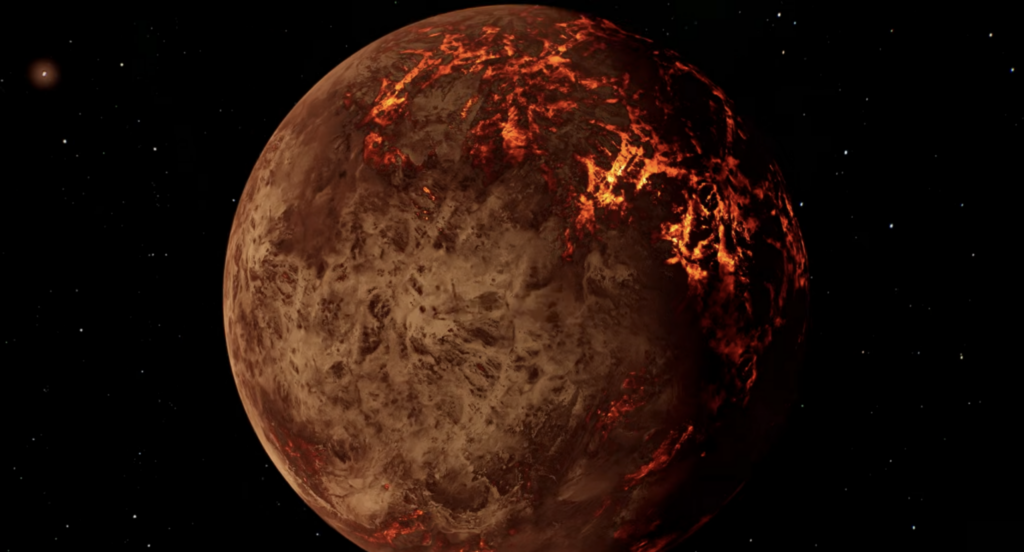
Surface temperatures exceed 7,000 degrees Celsius, making it hotter than the surface of our own Sun. Any material exposed to such conditions would instantly vaporize. KOI 55 b represents a level of planetary survival that seems almost impossible, yet it continues to orbit its star today.
9. TOI 1452 b: The Endless Ocean World
Earth is often called the blue planet, but water accounts for only a tiny fraction of its mass. TOI 1452 b takes the concept of a water world to an entirely different level. Scientists estimate that as much as thirty percent of the planet’s total mass may consist of water.
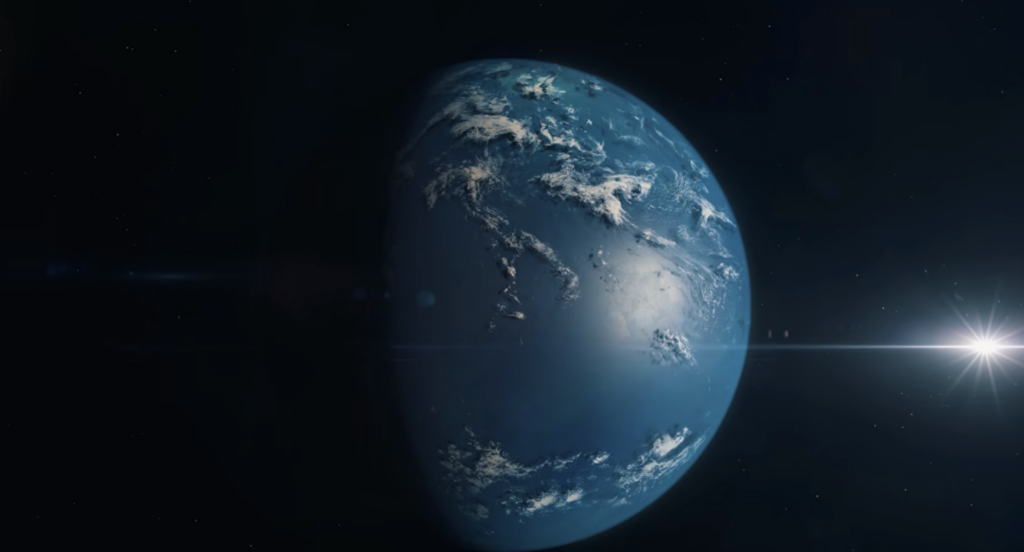
Its oceans could extend hundreds of kilometers deep, far beyond anything found on Earth. With no visible continents and no dry land in sight, this world would be an endless expanse of water stretching across the entire globe. The possibility of unknown life forms evolving in such immense oceans makes it even more intriguing and unsettling.
8. Miller’s Planet: The Nightmare of Time
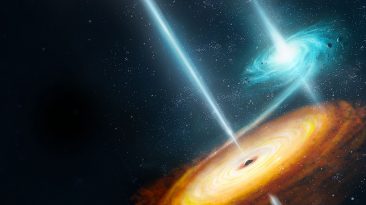
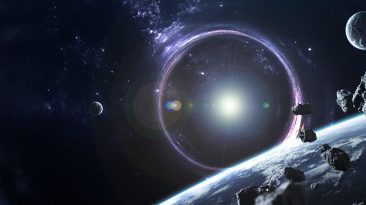
Although fictional, Miller’s Planet from the film Interstellar deserves mention because it is based on real scientific principles. Orbiting dangerously close to a supermassive black hole, the planet experiences extreme gravitational time dilation. Every hour spent on its surface equals roughly seven years passing elsewhere.
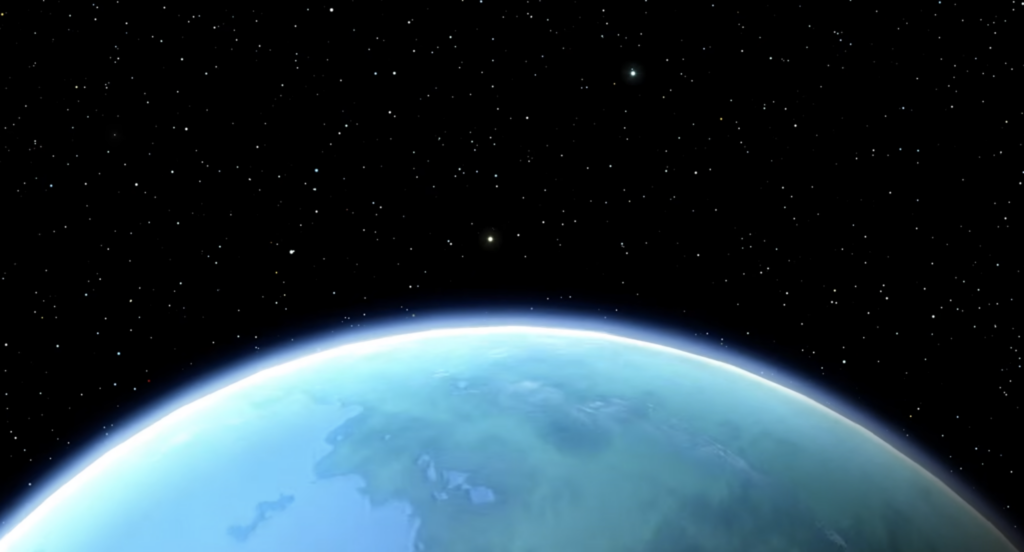
Massive tidal waves tower over its shallow oceans, but the true horror is time itself. A short visit could mean returning home decades later. While fictional, the science behind this concept remains theoretically possible, making it one of the most disturbing planetary ideas ever imagined.
7. HD 189733 b: The Planet of Flying Glass
At first glance, HD 189733 b appears beautiful. Its deep blue color resembles Earth’s oceans when viewed from space. Unfortunately, the resemblance ends there. The blue hue comes from silicate particles suspended high in the atmosphere.
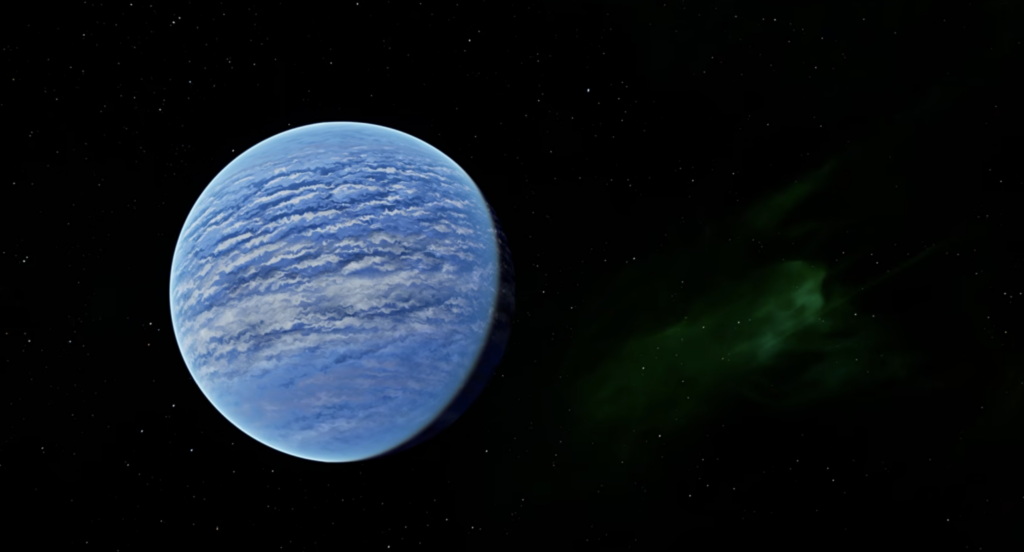
Winds roar across the planet at more than 8,000 kilometers per hour, carrying microscopic shards of glass. Imagine a hurricane moving several times faster than sound while blasting razor sharp particles through the air. Any spacecraft or living organism entering this environment would be destroyed almost instantly.
6. WASP 12 b: The Dying Diamond World
WASP 12 b is one of the darkest known planets, absorbing nearly all the light that reaches it. Despite this, it glows from its own intense heat. The planet contains enormous amounts of carbon, leading researchers to speculate that parts of its interior may contain diamond rich material.
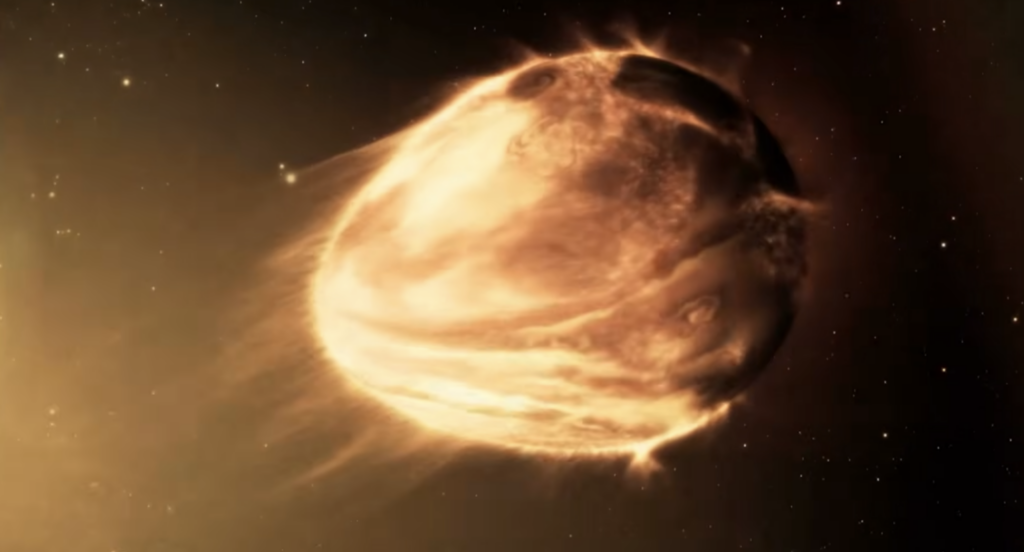
Yet its most disturbing feature is its fate. WASP 12 b orbits so close to its host star that it is slowly being torn apart. The star’s gravity is actively consuming the planet, pulling material away and ensuring its eventual destruction.
5. WASP 76 b: The Planet Where Iron Rains
Few worlds sound more hostile than WASP 76 b. Daytime temperatures exceed 2,200 degrees Celsius, hot enough to vaporize iron into the atmosphere. Powerful winds carry this iron vapor toward the cooler night side of the planet. As temperatures drop, the vapor condenses and falls as molten iron rain.
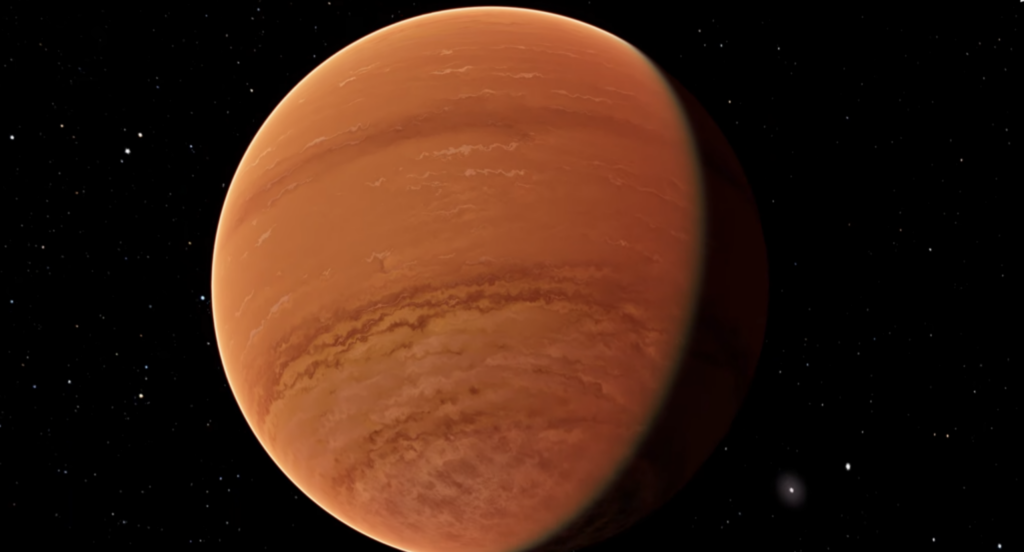
The result is a world with weather unlike anything found in our Solar System. Instead of water droplets, the skies release streams of liquid metal.
4. HAT P 7 b: Ruby and Sapphire Storms
HAT P 7 b is one of the darkest exoplanets ever observed, reflecting almost no light. High altitude winds constantly churn its atmosphere, creating clouds rich in corundum, the mineral that forms rubies and sapphires. Under the right conditions, these gemstones may literally fall from the sky.
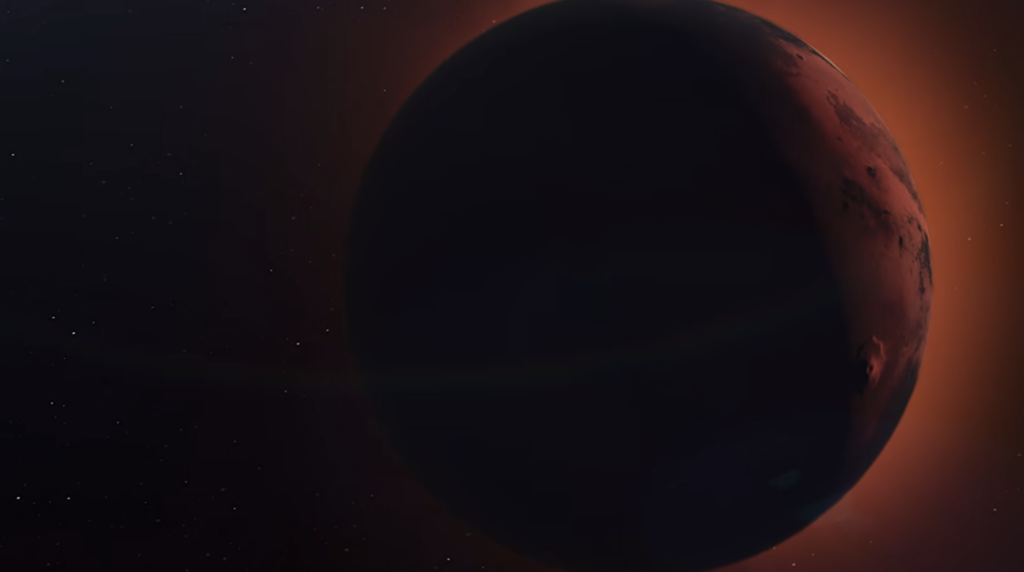
While the idea sounds beautiful, the reality would be catastrophic. Imagine hurricane force winds hurling ruby and sapphire particles through the atmosphere at incredible speeds. Beauty and danger coexist on this remarkable world.
3. GL 436 b: The Planet of Hot Ice
GL 436 b completely overturns our understanding of ice. Despite temperatures exceeding 300 degrees Celsius, much of the planet’s water remains frozen. Immense gravitational pressure prevents the water molecules from expanding into steam, forcing them into a solid state known as hot ice.
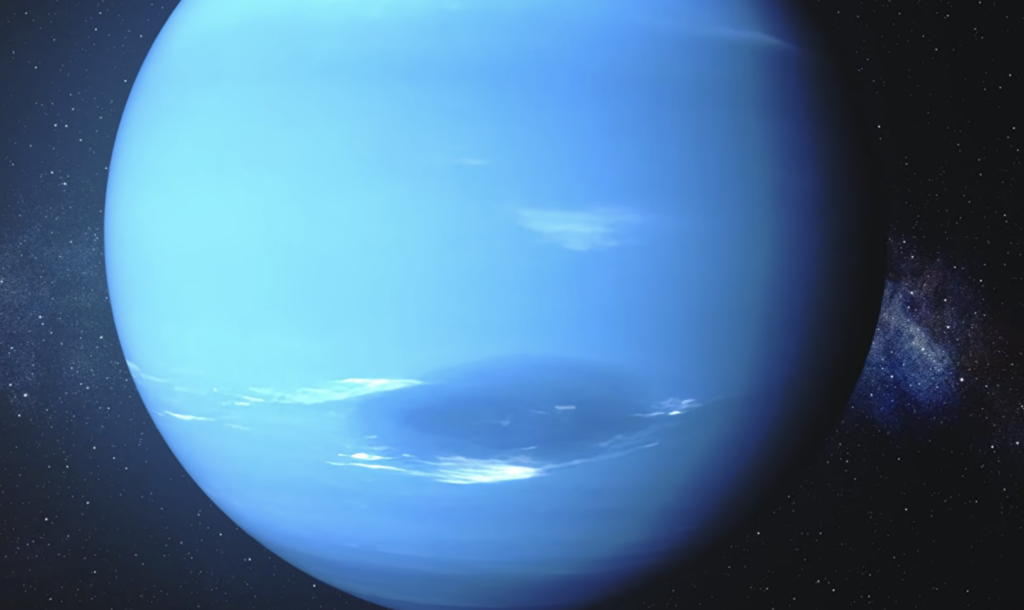
The concept is deeply counterintuitive. On Earth, ice melts long before reaching such temperatures. On GL 436 b, pressure creates an entirely different reality where ice remains solid while being hot enough to burn almost anything it touches.
2. K2 141 b: The Rock Rain Hellscape
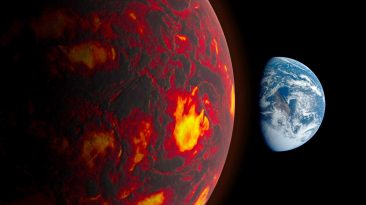
K2 141 b may be one of the most extreme planets ever discovered. One side permanently faces its star, while the other remains locked in darkness. On the daylight side, temperatures soar high enough to melt rock into vast oceans of magma. The molten rock evaporates into the atmosphere, where supersonic winds carry it toward the colder side.
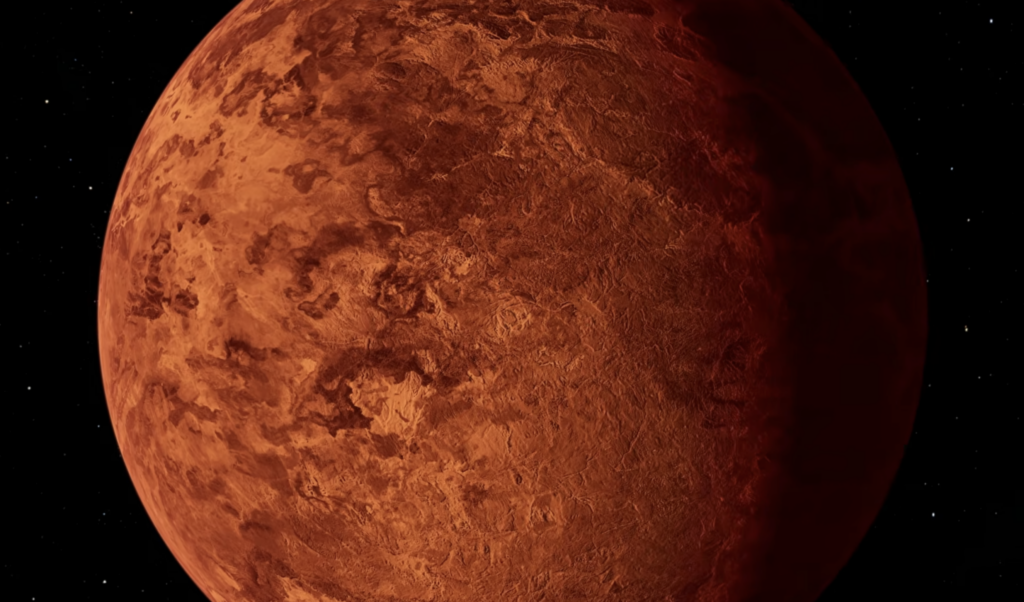
There, the vapor condenses and falls as rock rain. Rivers of molten stone slowly flow back toward the scorching hemisphere, creating a continuous planetary cycle unlike anything else known.
1. BD+05 4868 Ab: The Evaporating Planet
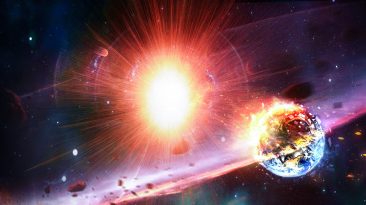
Some planets are dangerous. BD+05 4868 Ab is dying. Orbiting roughly twenty times closer to its star than Mercury is to the Sun, this world endures relentless heat and radiation. Its surface is essentially a globe spanning ocean of magma.
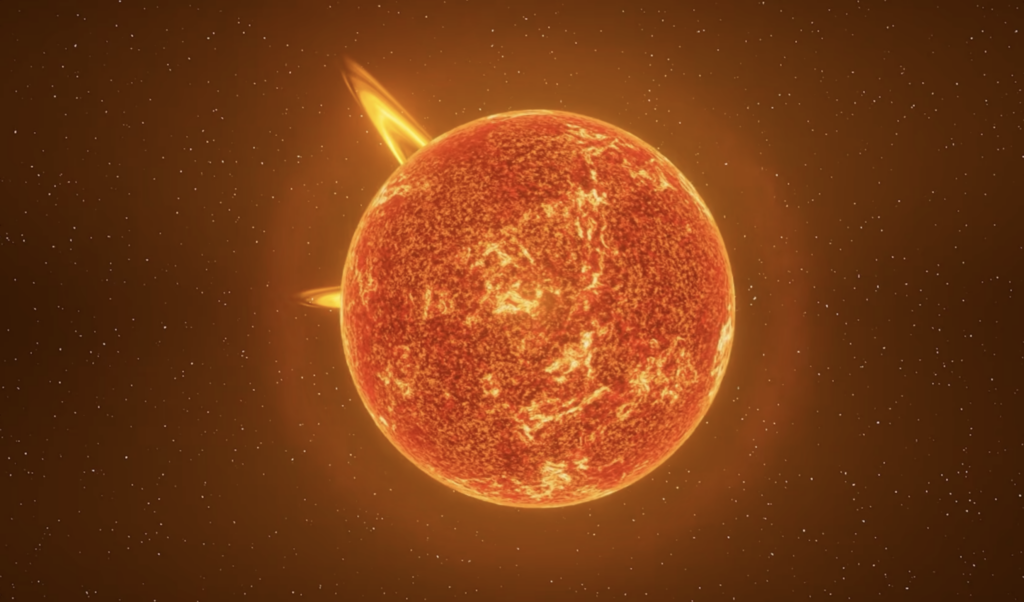
The star’s intense energy strips away vast amounts of material, creating a comet like tail stretching approximately nine million kilometers behind it. Every orbit removes more of the planet itself. Astronomers are effectively watching an entire world dissolve before their eyes.