Building a permanent base on the Moon has always come with one major challenge: how do you transport enough construction materials from Earth? Every kilogram launched into space costs an enormous amount of money and fuel, making traditional building methods incredibly expensive.
Now, scientists have proposed an unexpected solution that could help future astronauts build shelters using something they already produce every day: human urine.
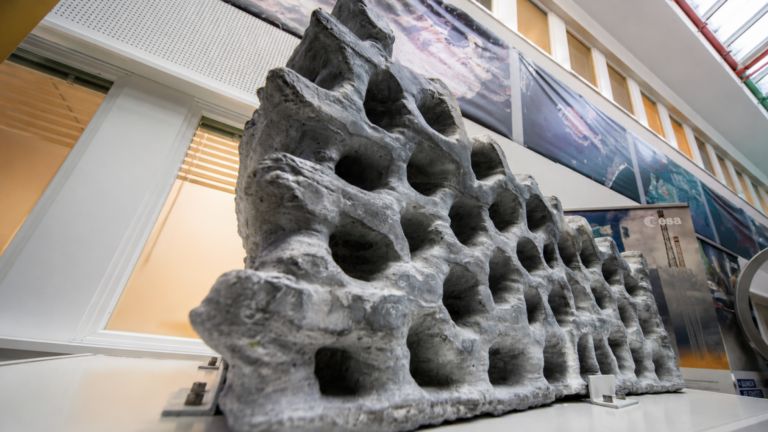
Researchers working with the European Space Agency have been studying whether urea, the primary waste compound found in mammal urine, can be used to create a special type of concrete made from lunar soil.
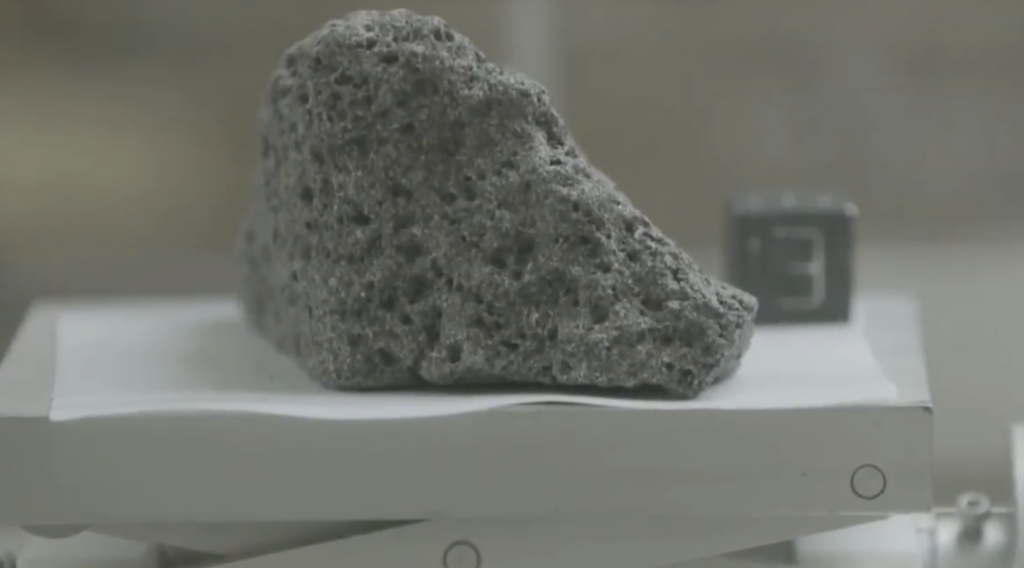
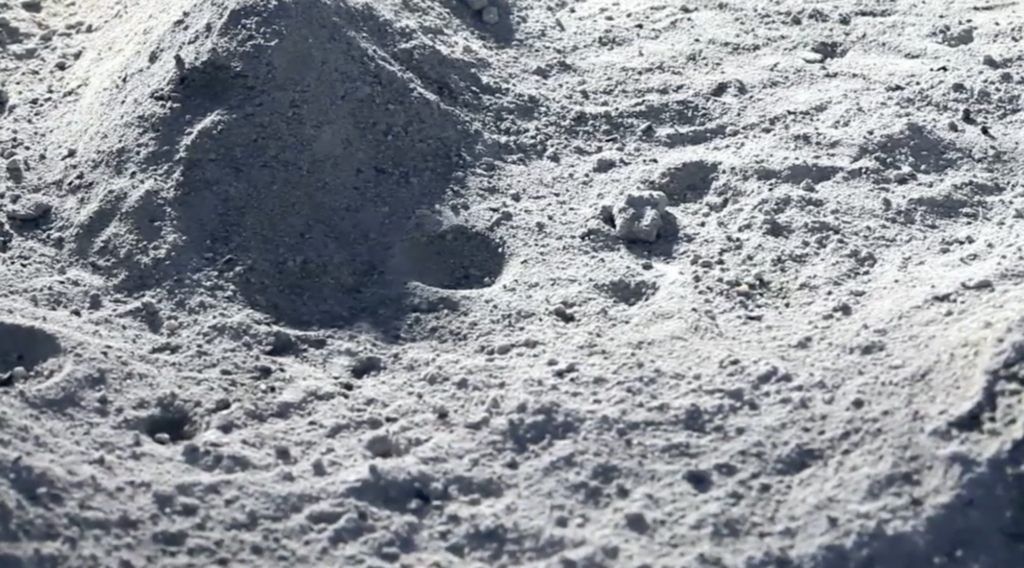
The Moon’s surface is covered in a layer of loose rock and dust known as lunar regolith. Instead of shipping tons of cement from Earth, scientists believe this local material could be combined with urea to produce a durable building mixture suitable for construction.
The role of the urea is surprisingly important. It acts as a plasticizer, improving the mixture’s flexibility and making it easier to shape before it hardens. This could allow future astronauts to feed the material into large 3D printers capable of producing walls, shelters, landing pads, and other structures directly on the lunar surface.
Using resources already available on the Moon, along with materials generated by astronauts themselves, would dramatically reduce the amount of cargo that must be launched from Earth. Every kilogram saved during a space mission lowers costs and frees valuable room for equipment, food, and scientific instruments.
The concept is part of a broader strategy known as in situ resource utilization, where astronauts use local materials instead of relying entirely on supplies transported from Earth. Similar ideas include extracting oxygen from lunar rocks or producing fuel from resources found on other planets.
Despite its promise, the unusual concrete still faces major challenges before anyone starts living inside a lunar home built with urine.
The Moon is one of the harshest environments humans have ever attempted to explore. Without a protective atmosphere, temperatures can soar to around 120°C (250°F) during the lunar day before plunging to nearly -130°C (-208°F) during the long lunar night. Any building material must survive these dramatic temperature swings without cracking or weakening.
Meteorites present another serious threat. On Earth, most small space rocks burn up in the atmosphere before reaching the ground. The Moon has no such protection, meaning even tiny meteorites regularly strike its surface at tremendous speeds. Future lunar structures will need to withstand constant impacts over many years.
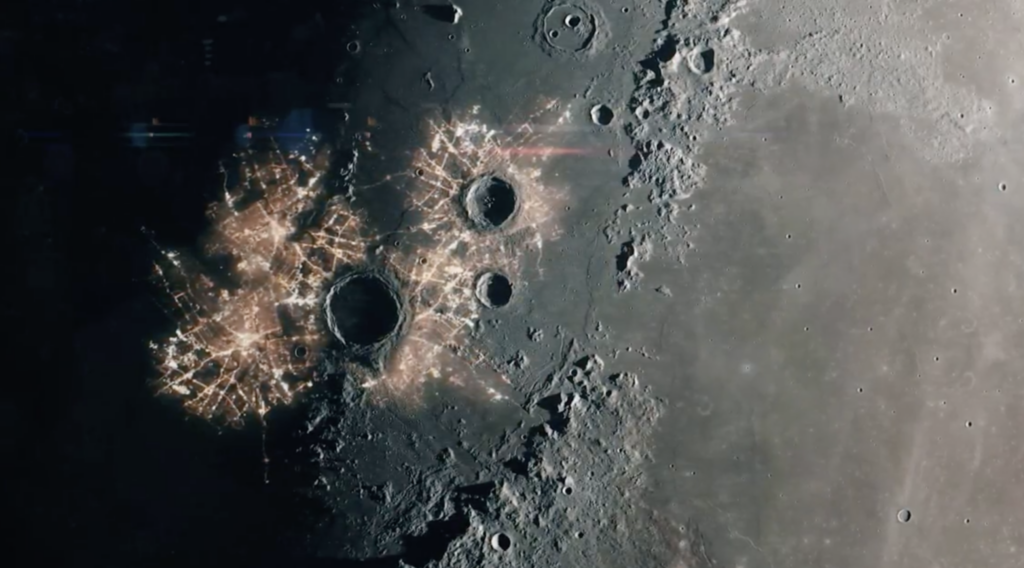
Scientists are continuing to test whether this experimental material can remain strong enough under these extreme conditions. Laboratory experiments have produced encouraging results, but recreating the Moon’s unique environment on Earth is difficult. More testing will be needed before the technology is ready for real missions.
As strange as the idea sounds, using human waste for construction could become one of the smartest ways to support long term exploration beyond Earth. Rather than treating urine as something to discard, future astronauts may see it as a valuable resource that helps build safe habitats millions of kilometers from home.
If humanity hopes to establish permanent settlements on the Moon, every available resource will matter. And one day, something as ordinary as human urine could become an essential building block for the first lunar neighborhoods.