Scientists put a number on the end of the world, and the numbers are not evenly frightening. Some sit at a fraction of a percent. Others are alarmingly high.
Ten scenarios could shape the next twelve months, and five of them are genuine threats to our survival. The other five might save us.
Here they are, ranked by how likely they actually are, starting with the one everybody fears and ending with the one that might matter most.
1. The Threat of Nuclear War
Global tensions remain high, particularly between Russia and Ukraine. Reports suggest Russia could respond with nuclear weapons if its territory is struck by long range missiles, and there has even been discussion of deployment in space.
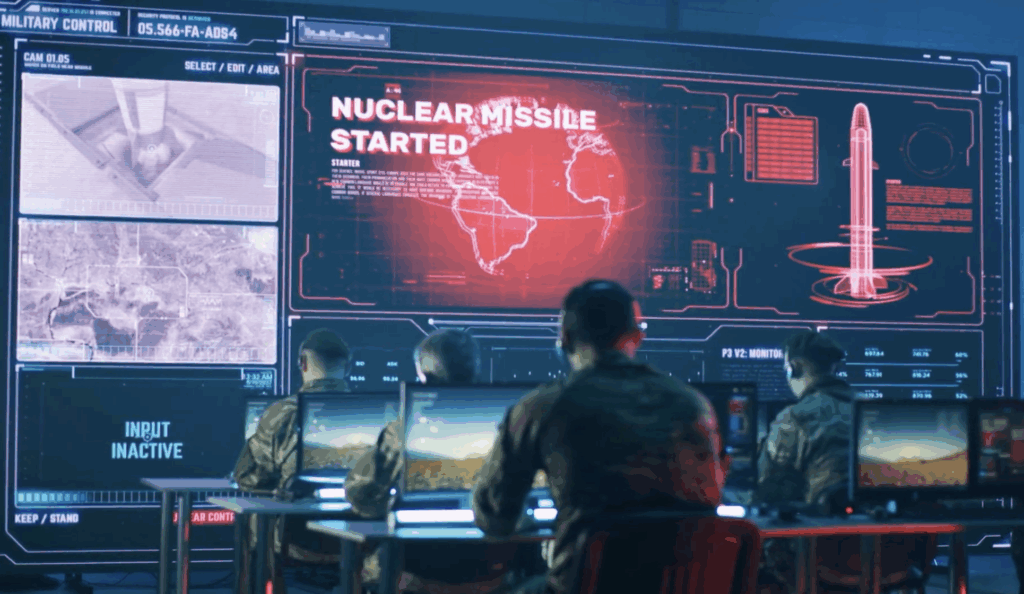
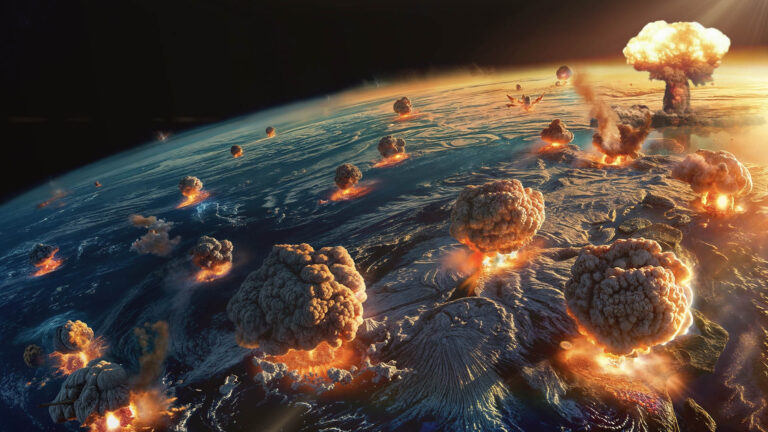
Mutually assured destruction has held the line historically, but a single launch could trigger a chain reaction nobody controls. A strike on a city like New York would kill millions instantly, leaving survivors facing radiation sickness and cancer while a nuclear winter darkened the skies for years.
Experts estimate the probability of worldwide devastation from nuclear war at around 11 percent.
2. A Potential World War III
Full nuclear exchange may be unlikely, but a global conflict is a different question. Regional wars in the Middle East and the ongoing Russia Ukraine clash could escalate quickly if new nations join.
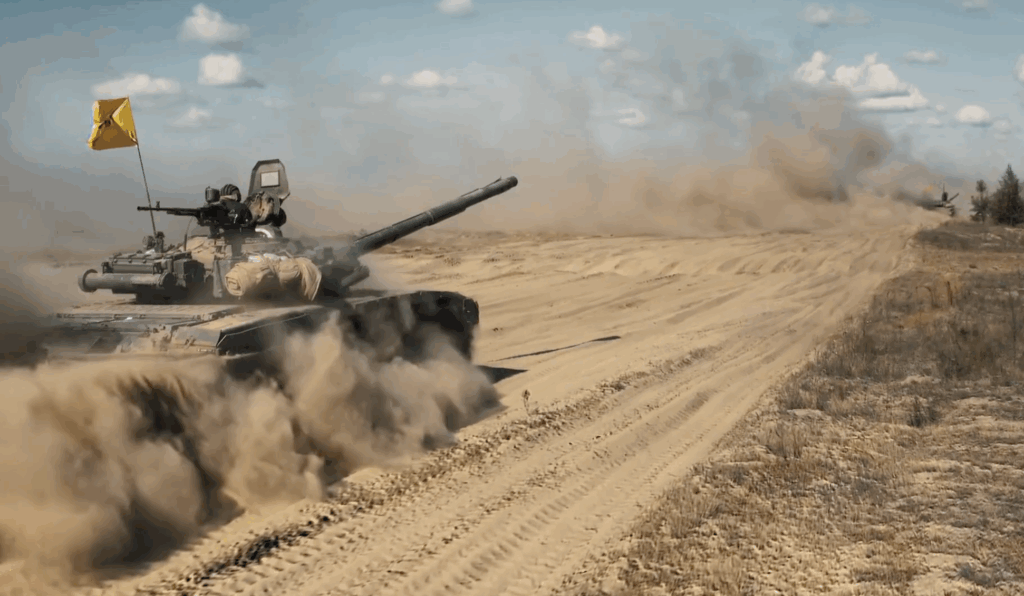
Modern warfare has shifted toward drones and remote strikes, which puts civilians in urban areas at risk in ways previous wars did not. A third world war could bring mandatory conscription and mass displacement.
This is the one closer than most people assume. The likelihood is estimated at 38 percent.
3. A Bioengineered Pandemic
Scientists study deadly pathogens routinely, and sometimes create strains far more contagious than anything in nature. A modified H5N1 bird flu virus could theoretically kill over 50 percent of those infected if it escaped a lab.
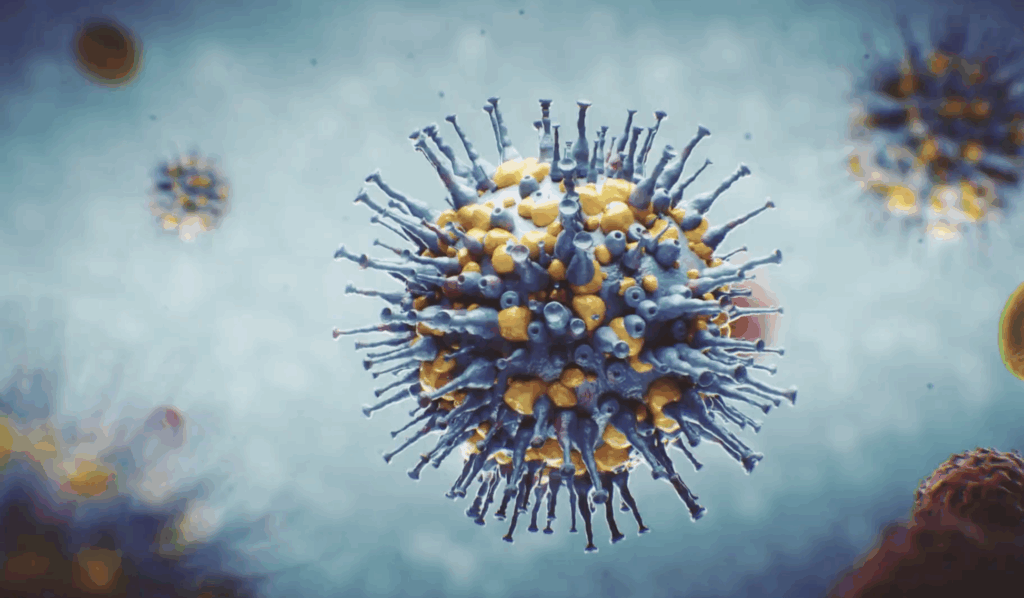
COVID 19 already demonstrated how quickly a virus disrupts everything. Something more lethal would bring panic, shortages, and societal upheaval on a scale we have not seen.
Experts place the probability of a pandemic causing extreme devastation at around 30 percent.
4. Alien Contact
Extraterrestrial life remains unconfirmed, though the Drake Equation suggests up to a 47 percent chance that intelligent life exists somewhere in the Milky Way.
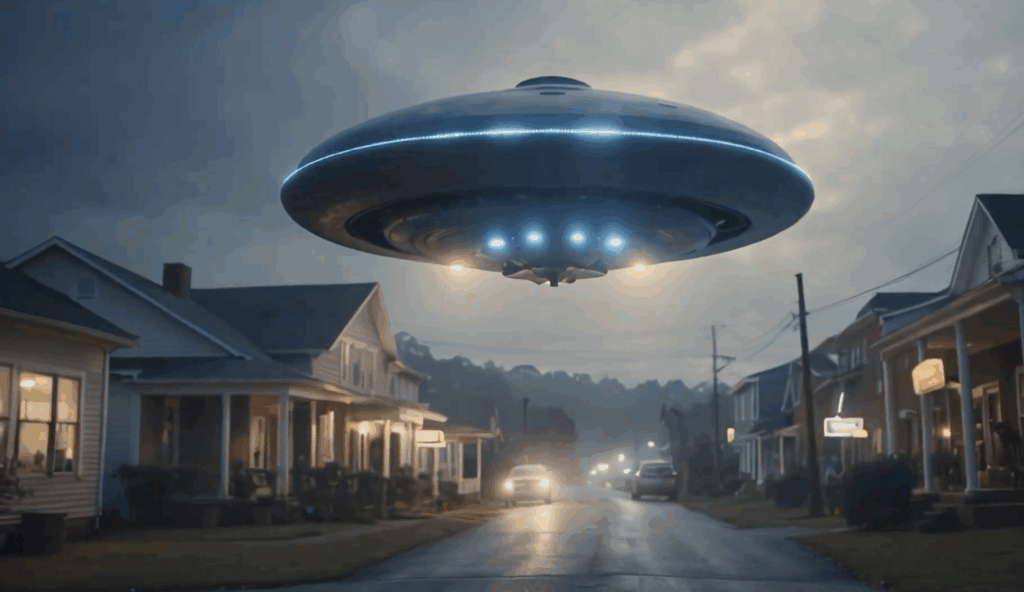
If they arrived, outcomes could range from hostile invasion to peaceful contact, with governments enforcing emergency protocols while assessing the threat.
The odds of an alien encounter dramatically affecting humanity sit around 1 percent.
5. Supervolcano Eruption
Yellowstone National Park sits on a supervolcano that has erupted three times, most recently 640,000 years ago. A major eruption would bury states in ash, cripple global agriculture, and trigger a prolonged volcanic winter.
The reassuring part is the number. Scientists estimate the chance of a catastrophic eruption this year at 0.00014 percent.
6. The Rise of Clean Nuclear Energy
Not every nuclear development is a threat. Nuclear power remains one of the cleanest ways to generate electricity, capable of running AI systems, space programs, and climate solutions without adding carbon.
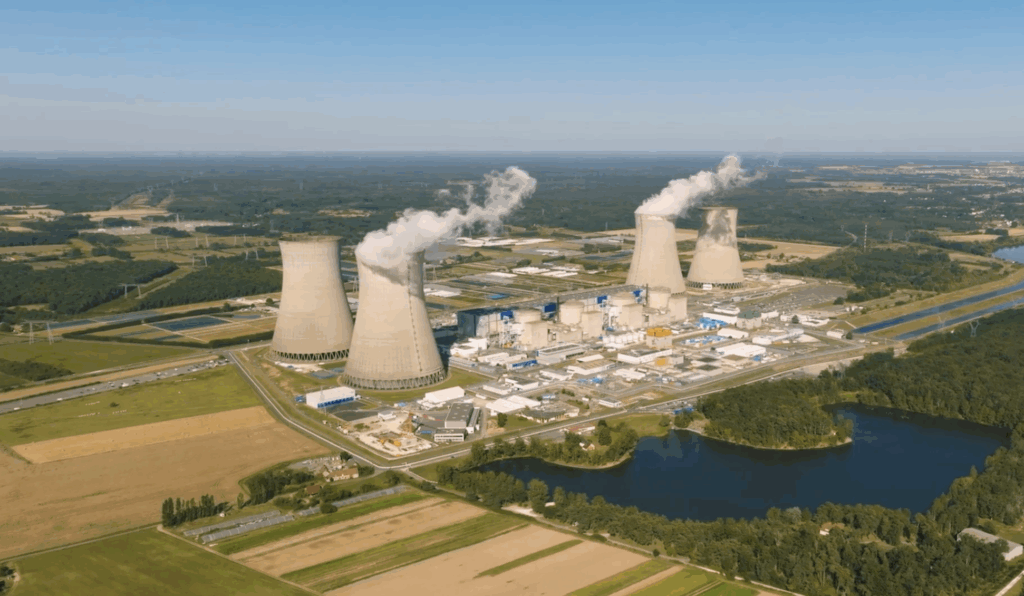
A significant boost in adoption would accelerate technology while helping fight climate change, and experts put that probability at 35 percent.
7. Billionaire Led Geoengineering
As temperatures rise, some wealthy individuals are weighing geoengineering projects, including scattering sunlight reflecting chemicals through the atmosphere.
It could help hold warming below 1.5 degrees Celsius. It could also cause crop failures, natural disasters, and worsening weather through consequences nobody predicted.
The chance of a major geoengineering experiment this year is estimated at 23 percent.
8. Carbon Eating Bacteria
Researchers have engineered E coli bacteria capable of consuming carbon dioxide. Scaled up successfully, they could clean the atmosphere and cut our dependence on fossil fuels.
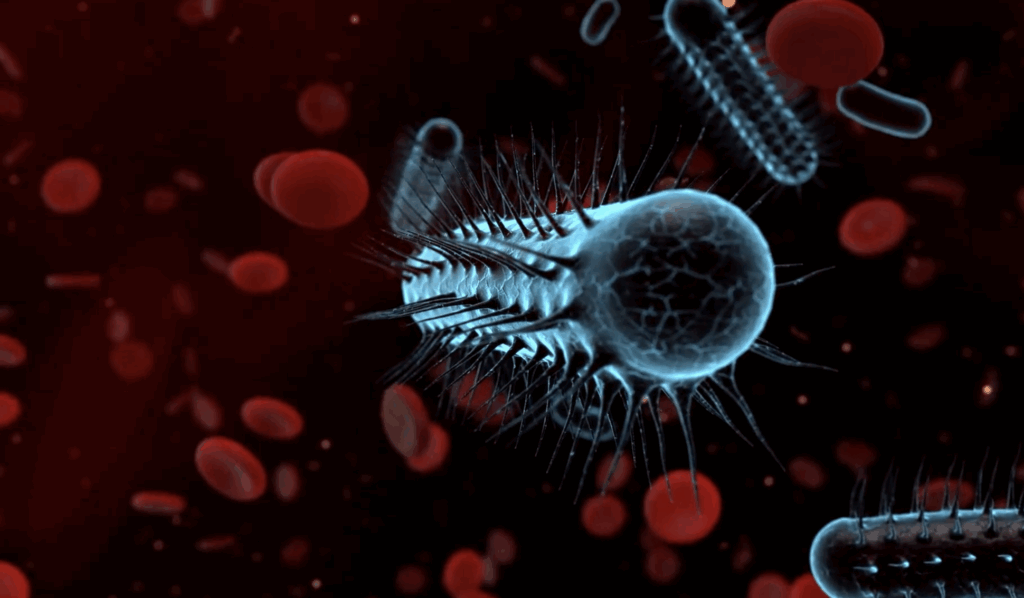
The technology is still early, with a probability of widespread adoption this year around 9 percent.
9. Household Robots Take Over Chores
Robotics is moving fast, and fully integrated home robots could arrive within the next year. Devices like the Dyson robodog and Stanford’s Mobile Aloha can already vacuum, mop, cook, and organize.

A single robot handling every household chore, and possibly offering companionship, is close. Experts put widespread adoption at 28 percent.
10. AI Revolution
Artificial intelligence keeps expanding into medicine, energy efficiency, and nearly everything else. Given enough clean energy, it could help solve global problems, push space exploration forward, and optimize resources planet wide.

This could be the turning point for AI driven progress that arrives without worsening the climate, which is the rarest combination on this entire list.
Five ways it ends, five ways it improves, and the highest number on the page belongs to war.