When a piece of space debris connected to a SpaceX mission crashed into the Moon, it created a wave of curiosity around what happens when humans leave their mark on the lunar surface. The impact was tiny compared to the size of the Moon, but it raised a much bigger question.
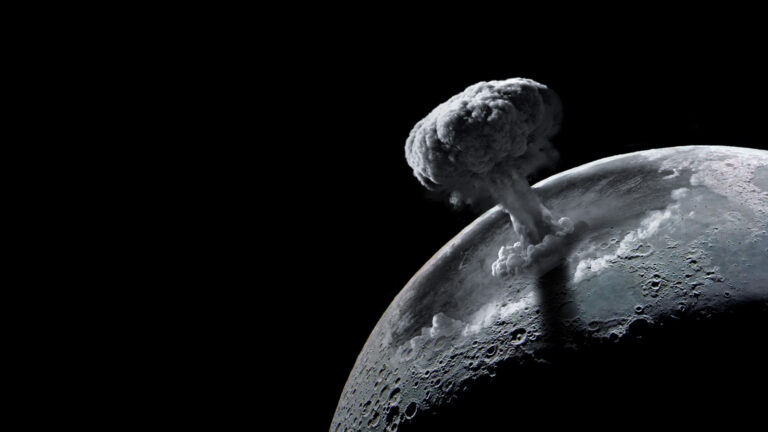
What if humanity did not send a rocket fragment, but a nuclear bomb?
Would we be able to damage the Moon? Would the explosion be visible from Earth? Could radioactive fallout spread through space and threaten humanity?
The idea sounds like science fiction, but during the Cold War, scientists actually explored a similar concept.
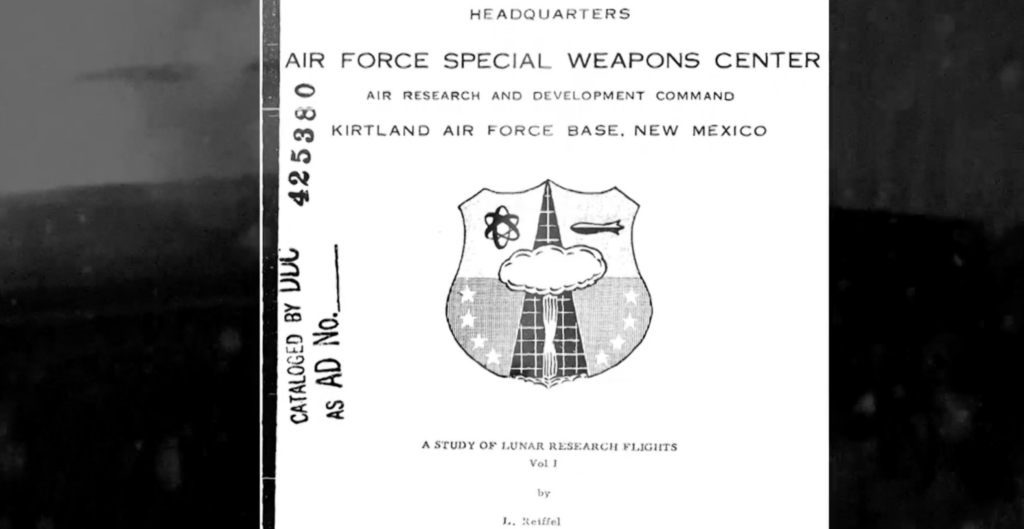
After the Soviet Union launched Sputnik, the first artificial satellite to orbit Earth, the United States wanted to demonstrate its power during the space race. One secret project considered detonating a nuclear weapon on the Moon. The goal was not to destroy the lunar surface, but to create a visible explosion that could prove American technological superiority.
A nuclear blast on the Moon would certainly look impressive, but the actual effects would be far less dramatic than many people imagine.
The most powerful nuclear weapon ever created was the Soviet Tsar Bomba, which released around 50 megatons of energy. That is equivalent to thousands of Hiroshima sized explosions. Even a bomb this powerful would barely affect the Moon.
The reason is simple. The Moon is enormous. Its mass is over 80 times greater than all of Earth’s nuclear weapons combined could significantly disturb. To actually change the Moon’s orbit or destroy it, humanity would need an explosion many trillions of times more powerful than anything we can create today.
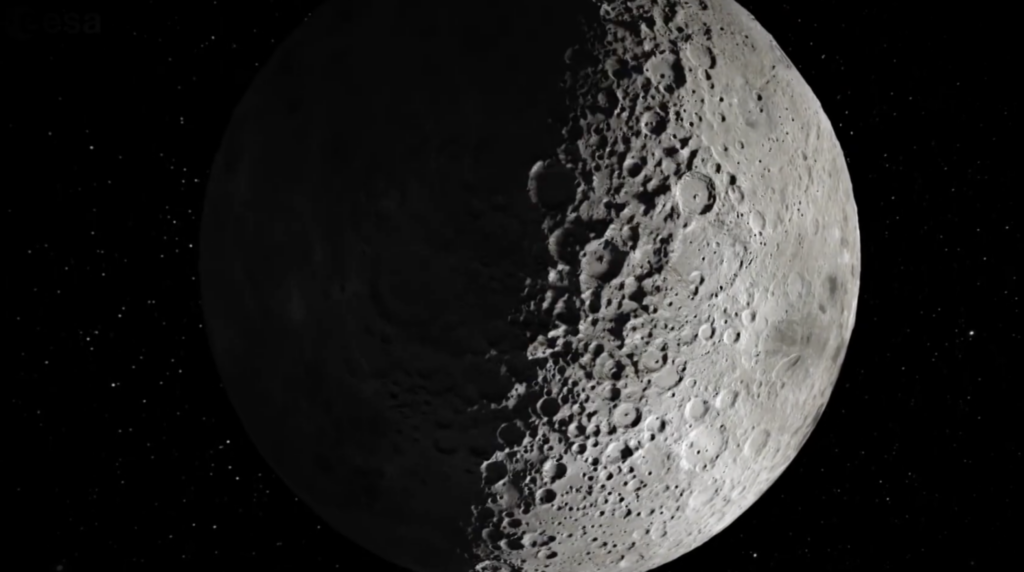
If the Moon somehow moved away from Earth, the consequences would be devastating.
The Moon helps control ocean tides and plays an important role in stabilizing Earth’s rotation. Without its gravitational influence, ocean ecosystems would be heavily affected, and Earth’s climate patterns could change over long periods of time.
However, one nuclear explosion would not be enough to send the Moon away. The biggest concern would not be destroying the Moon, but damaging it for future exploration.
Unlike Earth, the Moon has no atmosphere, no weather, and no oceans. A nuclear explosion would not create a mushroom cloud or spread radiation around the planet like it would on Earth. Instead, it would throw dust, rock, and radioactive material across the lunar surface.
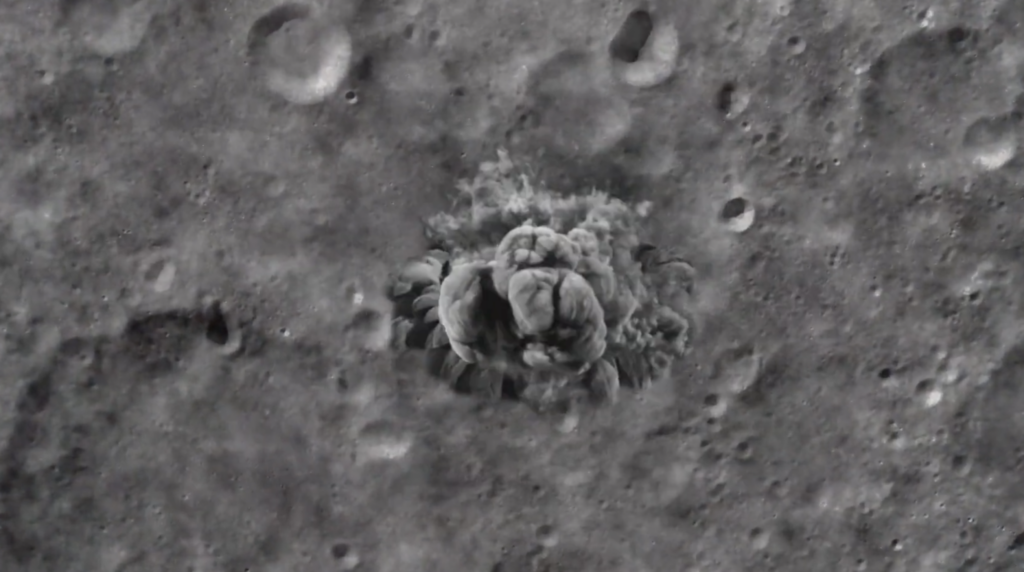
But the Moon is already one of the harshest radiation environments humans could visit.
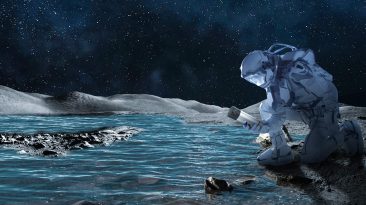
Without a protective atmosphere and magnetic field, the lunar surface is constantly exposed to cosmic rays and solar radiation. This is one of the biggest challenges facing future Moon missions and permanent lunar settlements.
A nuclear explosion would add another layer of danger for astronauts trying to explore the area.
This was one reason why plans to test nuclear weapons on the Moon were eventually abandoned. Scientists feared that contamination could interfere with future missions and make lunar exploration more difficult.
Today, space agencies are still developing ways to protect astronauts from radiation. Future Moon bases may need underground habitats, protective layers of lunar soil, or advanced shielding systems to keep humans safe.
So what would happen if we nuked the Moon? The answer is surprising.
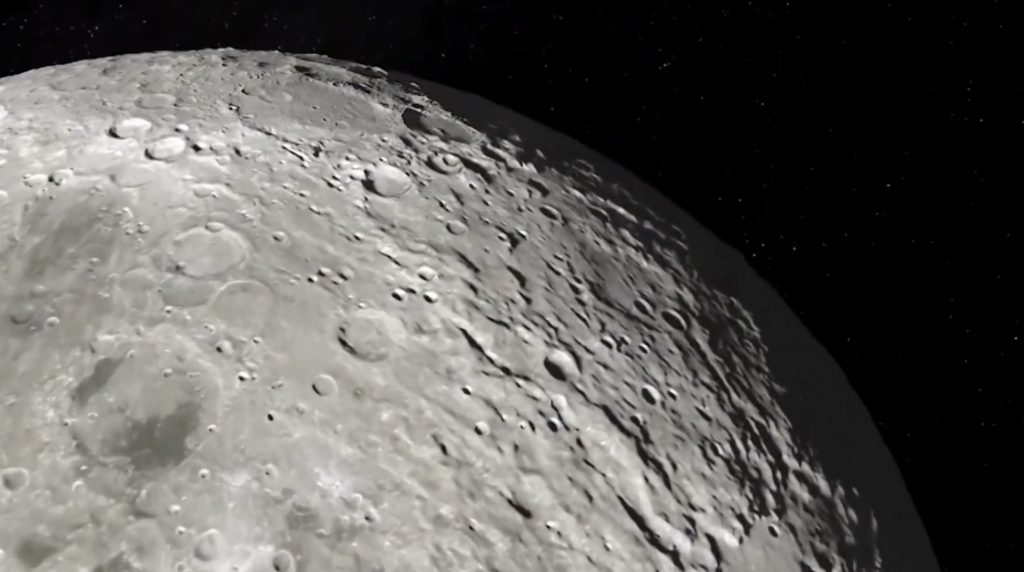
The Moon would survive.
The biggest physical result would simply be another crater added to its already scarred surface. Compared to the billions of years of asteroid impacts that created the Moon’s landscape, even a powerful nuclear explosion would be just another small mark.
The Moon has protected Earth for billions of years by absorbing impacts from objects that could have reached our planet. Instead of trying to damage it, humanity may be better off appreciating the role this ancient companion plays in shaping life on Earth.
The Moon is not just a target in the sky. It is a reminder of how connected our planet is to the universe around us.