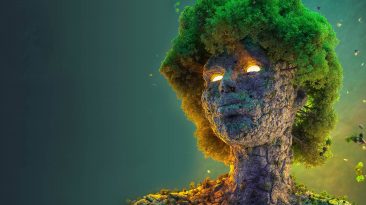
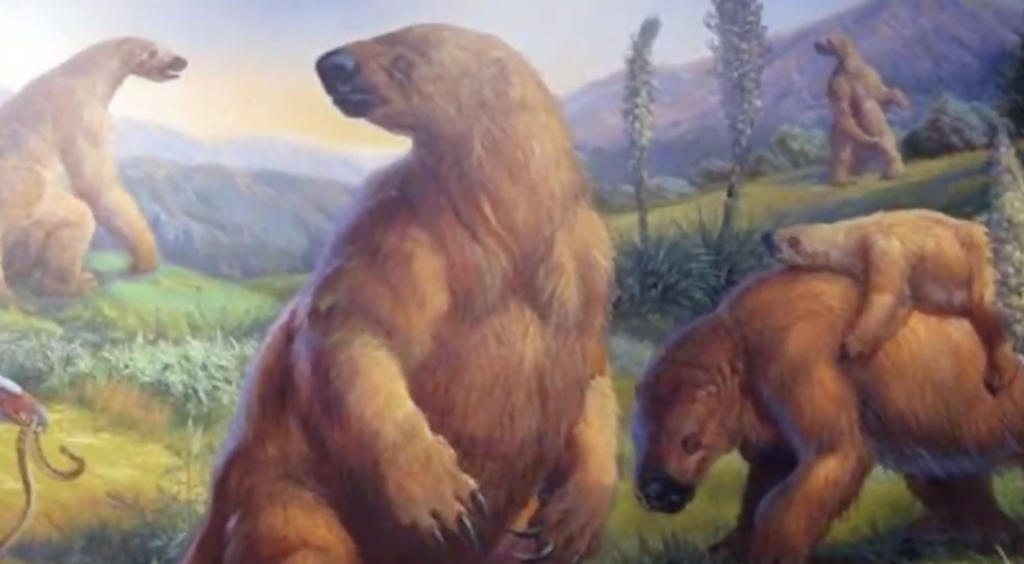
Imagine waking up to headlines announcing that one of the largest mammals to ever roam the Americas has returned. After disappearing thousands of years ago, the giant ground sloth is back. Towering above cars when standing upright and weighing several tons, this prehistoric herbivore would instantly become one of the most fascinating animals on Earth.
Despite its intimidating size, the giant ground sloth would surprise people with its gentle nature. Like the tree sloths we know today, it would spend most of its time moving slowly, conserving energy, and searching for food. Its enormous claws would look dangerous, but they were mainly designed to pull down branches and strip leaves from trees rather than attack other animals.
The return of these giants would transform forests across North and South America.
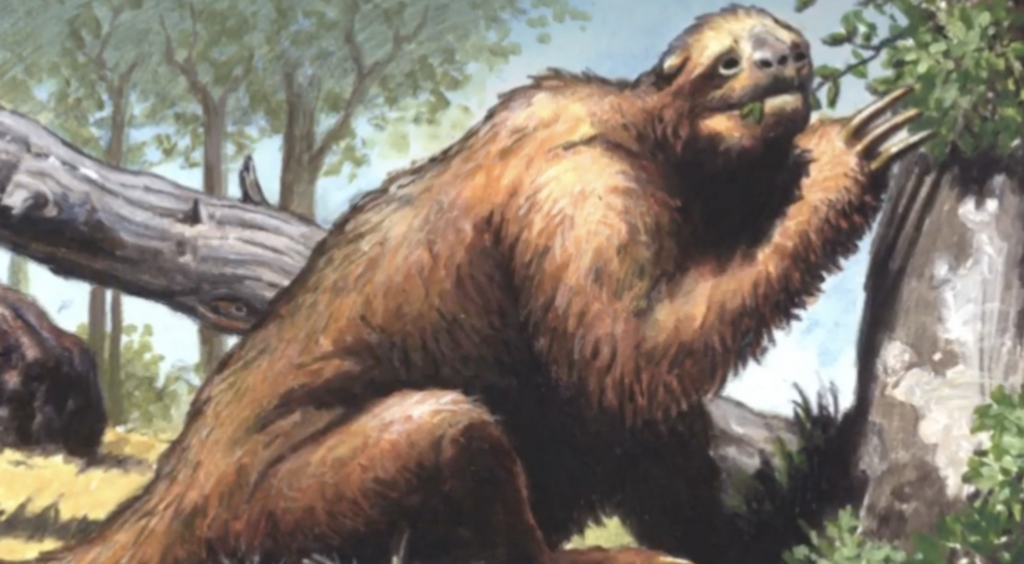
Dense woodlands and shrublands would become their preferred habitat, where they could browse on leaves, twigs, fruits, and other vegetation. Standing on their powerful hind legs, giant ground sloths could easily reach high branches that most animals could never access. Some species may have even used long, flexible tongues to grab hard to reach leaves, much like giraffes do today.
Feeding such an enormous animal would be no small task. A single giant ground sloth could consume tens of thousands of calories every day, requiring a constant supply of fresh vegetation. Wildlife managers would likely have to protect large stretches of forest to ensure these animals had enough food while preventing them from stripping entire areas bare.
People would quickly become fascinated by these prehistoric survivors. Wildlife parks and nature reserves would attract millions of visitors hoping to see a living giant ground sloth in person. Scientists would race to study their biology, behavior, and role in modern ecosystems, while photographers and filmmakers would document every aspect of their remarkable lives.
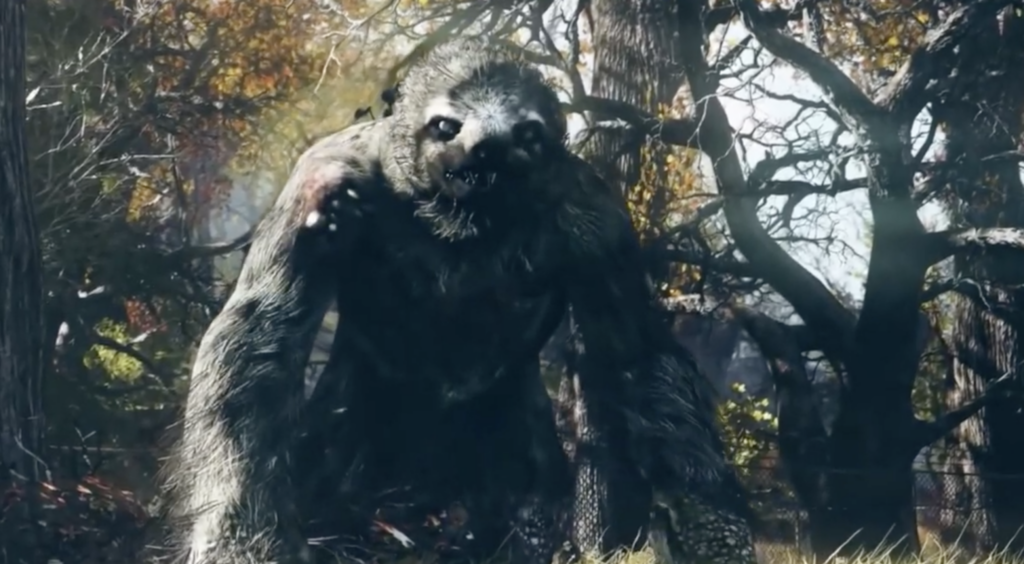
Of course, humans would also wonder whether these giants could help with farming or transportation. Their incredible strength might make them seem like ideal working animals, but there would be one obvious problem. Giant ground sloths moved at an extremely slow pace. While they might eventually pull farming equipment across a field, tractors would finish the job long before the sloth reached the end of the first row.
Their biggest contribution to agriculture might come from something far more unexpected: avocados.
Researchers believe ancient giant ground sloths were among the few animals capable of swallowing whole avocados, including their large seeds. As the fruit passed through their digestive systems, the seeds were deposited far from the parent tree, helping avocado forests spread over vast distances. Without these giant herbivores, avocados lost one of their most effective seed dispersers.
If giant ground sloths returned today, they would once again become champions of avocado propagation. Entire orchards could benefit from their natural ability to transport seeds, making them valuable partners in ecosystem restoration. Some entrepreneurs might even attempt to market specialty products inspired by the sloths’ digestive process, much like certain rare coffees produced after passing through animals. Whether consumers would embrace such unusual delicacies is another question entirely.
Their impact would extend far beyond avocados. By feeding on vegetation and spreading seeds over large areas, giant ground sloths would reshape forests, create new habitats for smaller species, and increase biodiversity. Ecologists would likely consider them a keystone species capable of restoring natural processes that disappeared thousands of years ago.
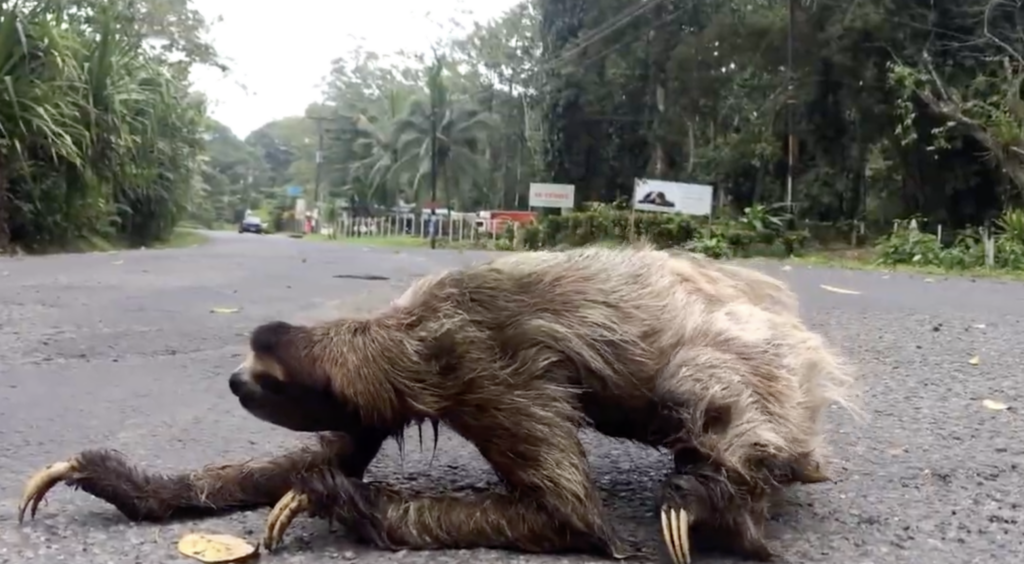
Living alongside animals standing several meters tall would also require careful planning. Protected wildlife corridors, larger nature reserves, and strict conservation laws would be necessary to prevent conflicts with expanding cities and farmland. Although giant ground sloths were herbivores, no one would want to encounter one unexpectedly on a busy highway.
The return of the giant ground sloth would be one of the greatest wildlife stories in history. These slow moving giants would not only capture the world’s imagination but also remind us how deeply extinct animals once shaped the environments we still depend on today. Their comeback would change forests, agriculture, conservation, and our understanding of the prehistoric world in ways few could have imagined.