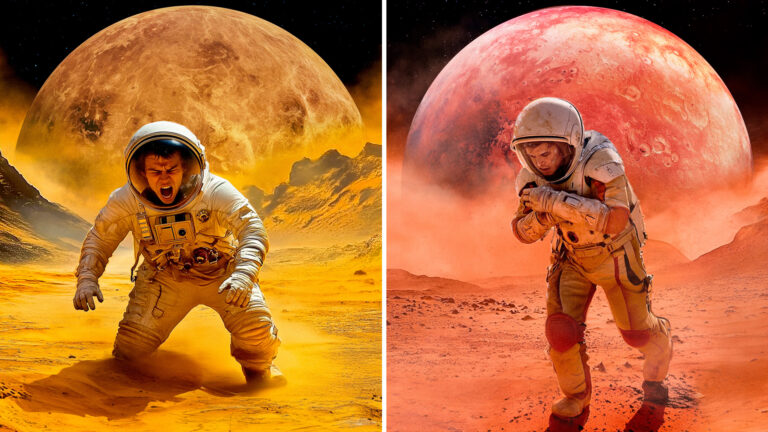
Somewhere right now, in a conference room full of planetary scientists, an argument is quietly raging.
On one side: the Mars camp, backed by sixty years of missions, maps, and momentum. On the other: a growing group of researchers pointing at the most hostile planet in the Solar System and saying something that sounds insane at first. Forget Mars. Look at Venus.
Venus, the planetary furnace. Venus, where the surface melts lead. That Venus.
And yet the case for it refuses to die, because hidden inside this hellish world is one detail that changes the entire debate. So let us hold the trial properly, category by category, and see which planet actually deserves humanity’s future.
Meet the Two Candidates
Mars needs no introduction. It has been the default destination for more than six decades, photographed and mapped in extraordinary detail by fleets of robots, with agencies like NASA targeting human landings potentially in the 2030s. It is cold and dry, but structurally it is the most Earth like surface we can reach.
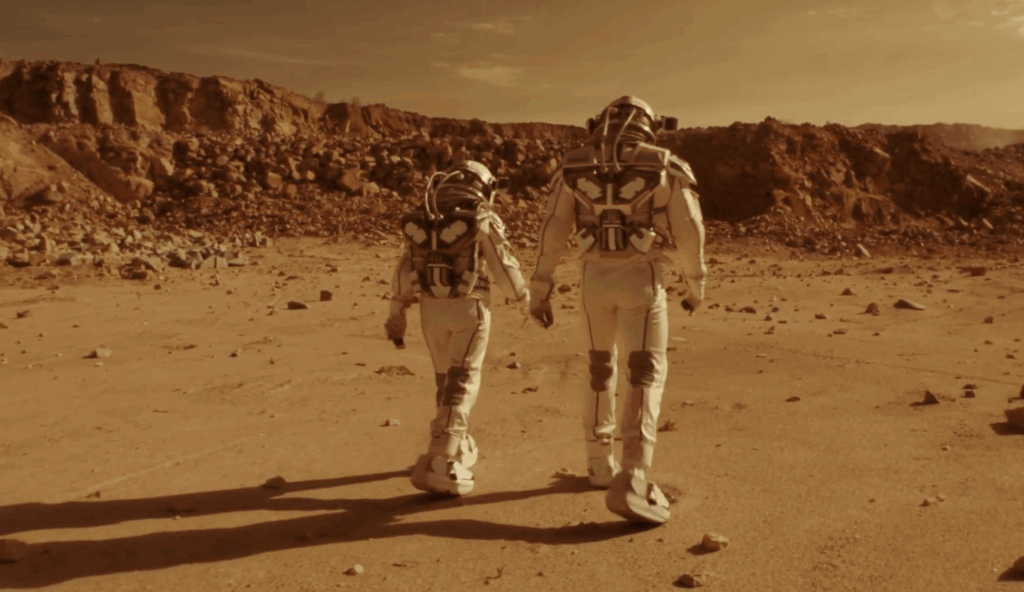
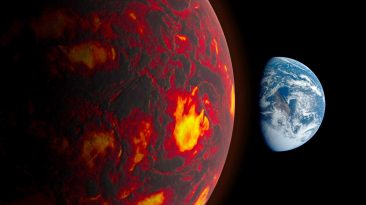
Venus looks like instant disqualification. Crushing atmospheric pressure. Heat beyond any furnace you have ever stood near. On the ground, no human technology survives long, let alone humans.
But rise about 50 kilometers above that deadly surface and everything changes. Up there, temperatures turn mild. Pressure approaches what a human body can handle. And gravity sits at about 90 percent of Earth’s, compared to a mere 38 percent on Mars, a difference that could decide whether human bodies stay healthy over years and generations.
That is the twist that split the scientific community. Mars is easier to stand on. Venus might be easier to live above.
Round One: Where Do People Actually Live
The Mars plan is a battle against the surface itself. The air is about 96 percent carbon dioxide, useless for breathing, so every habitat must be sealed and fed by oxygen systems. Worse, the thin atmosphere and missing magnetic field let radiation pour down freely.
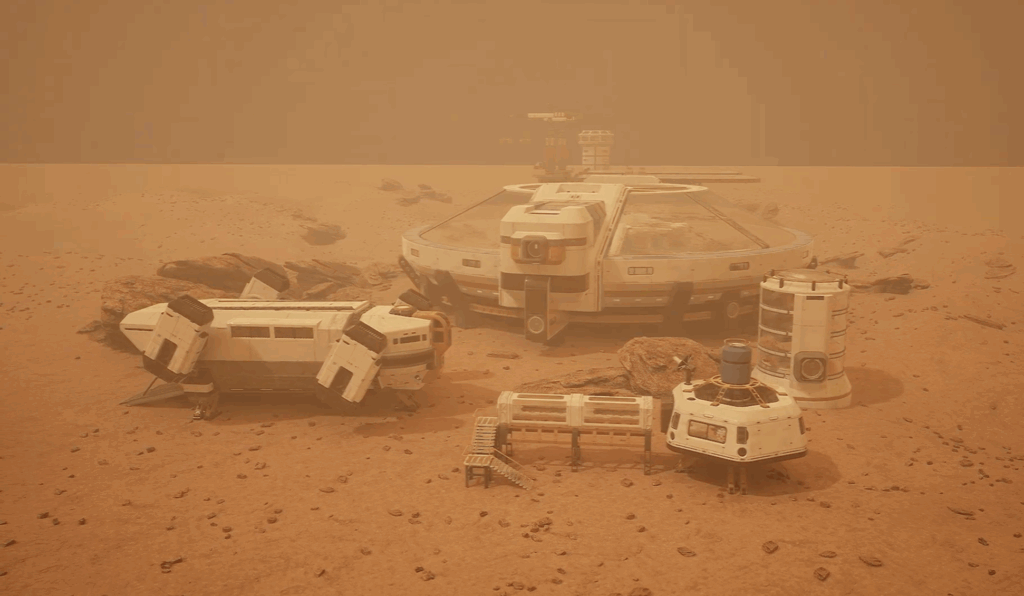
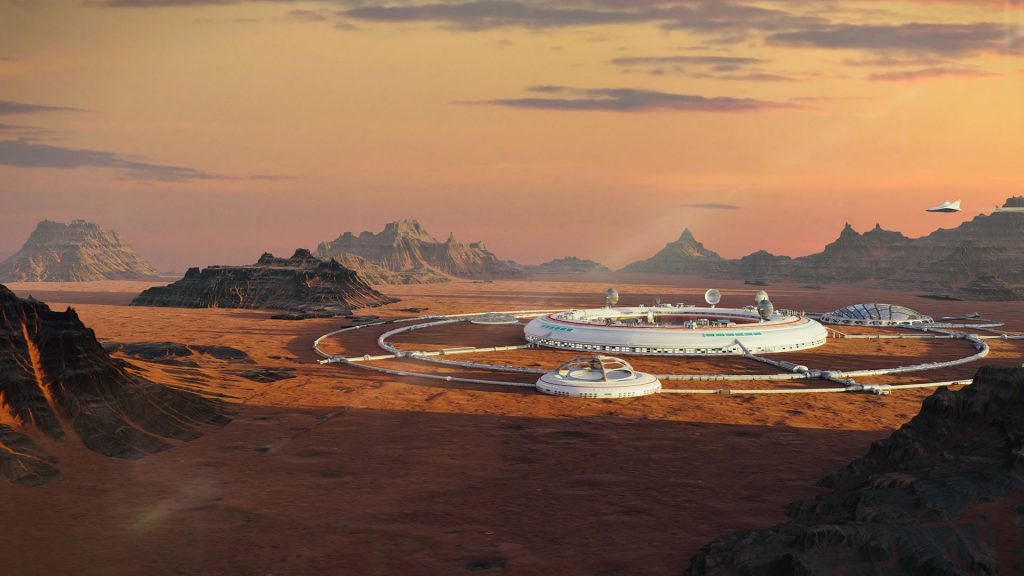
The proposed answer: 3D printed shelters built from Martian rock, like the multi level MARSHA concept, with living quarters, workspaces, and storage sealed away from the environment. It would work, but honestly, life would be cramped, buried, and shielded, with weak gravity slowly reshaping human muscles and movement.
The Venus plan abandons the ground entirely. Nobody builds on that surface. Instead, entire colonies would float, drifting through the calm upper atmosphere aboard enormous airship like habitats, an idea NASA has already explored through its High Altitude Venus Operational Concept.
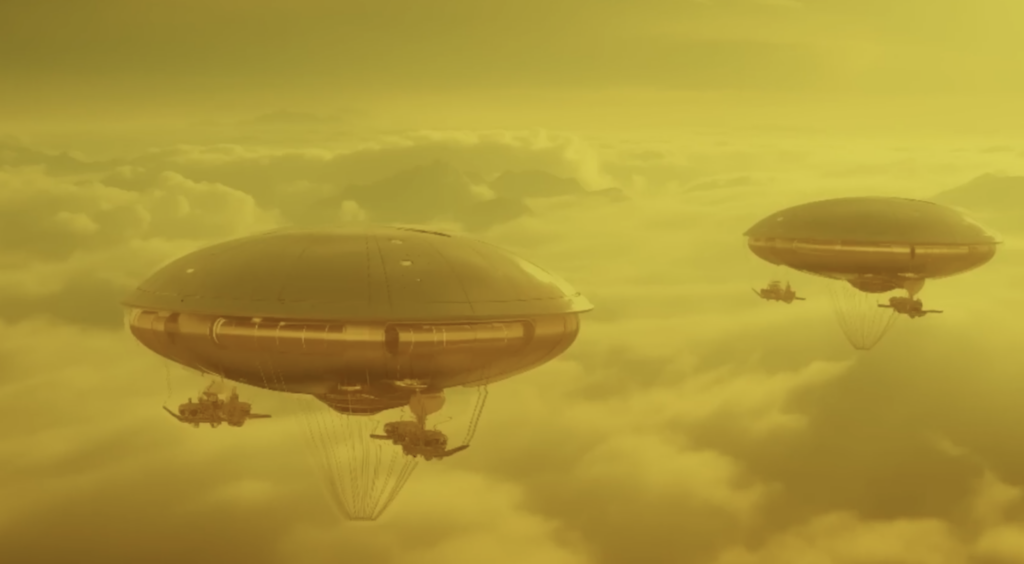
At cruising altitude, residents could enjoy nearly Earth like temperatures with climate control. The catch floats in the clouds themselves: sulfuric acid, demanding resistant materials like titanium, aluminum, and nickel, plus relentless maintenance.
Verdict of round one: Mars wins, simply because its habitat designs are far more mature and closer to real testing. Floating cities remain beautiful blueprints.
Round Two: Feeding a Colony
No food, no colony. And here the two planets diverge sharply.
Mars brings a decisive gift to the table: water ice. Colonists could mine it, purify it, and irrigate crops inside sealed greenhouses. The plants would struggle, likely needing genetic modification to endure radiation, low pressure, and poor nutrients, and the first settlers would still lean heavily on preserved food from Earth. But the foundation is real and reachable.
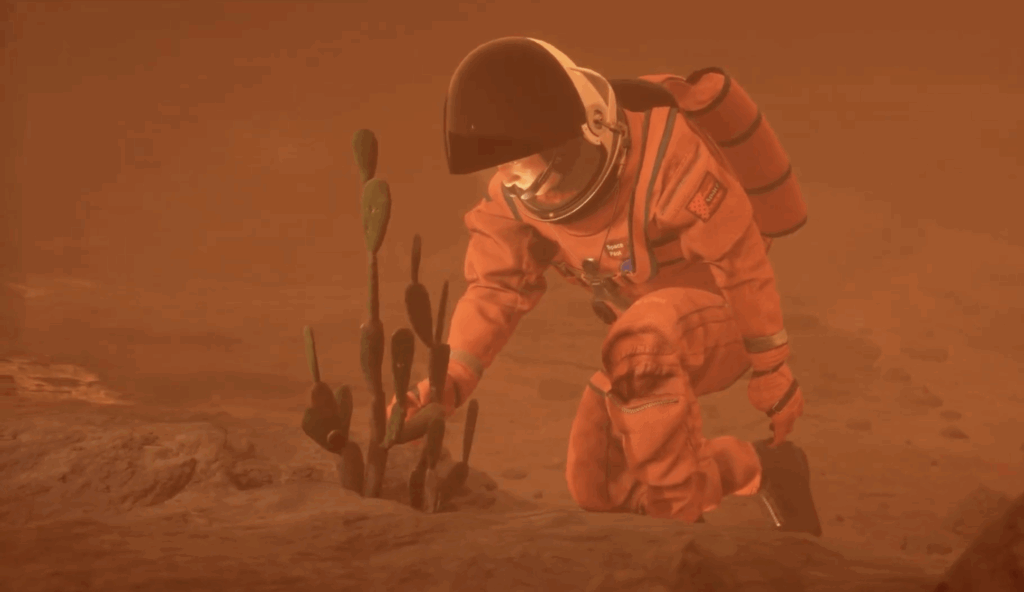
Venus starts this round with a brutal handicap: no accessible water. Not on the surface, not floating in usable quantities in the clouds. Every drop would have to be manufactured chemically by combining hydrogen and oxygen, which is possible on paper and punishing at scale.
Yet Venus hides a card up its sleeve. Its upper atmosphere holds remarkably stable temperatures, and stable temperatures are a farmer’s dream. Solve the water problem, and Venusian agriculture could eventually run more efficiently than anything on freezing, irradiated Mars.
Verdict of round two: Venus takes it on potential, but only if you grant it some seriously advanced technology first. On near term realism, Mars still feeds you sooner.
Round Three: Power and Resources
This is where the Venus camp gets loud.
Mars offers solid industrial ingredients, iron, nickel, and sulfur, enough in theory to build a self sufficient economy. But it has an energy problem it can never fix: distance. Sitting far from the Sun, Mars receives weak sunlight, and solar power there will always be running uphill.
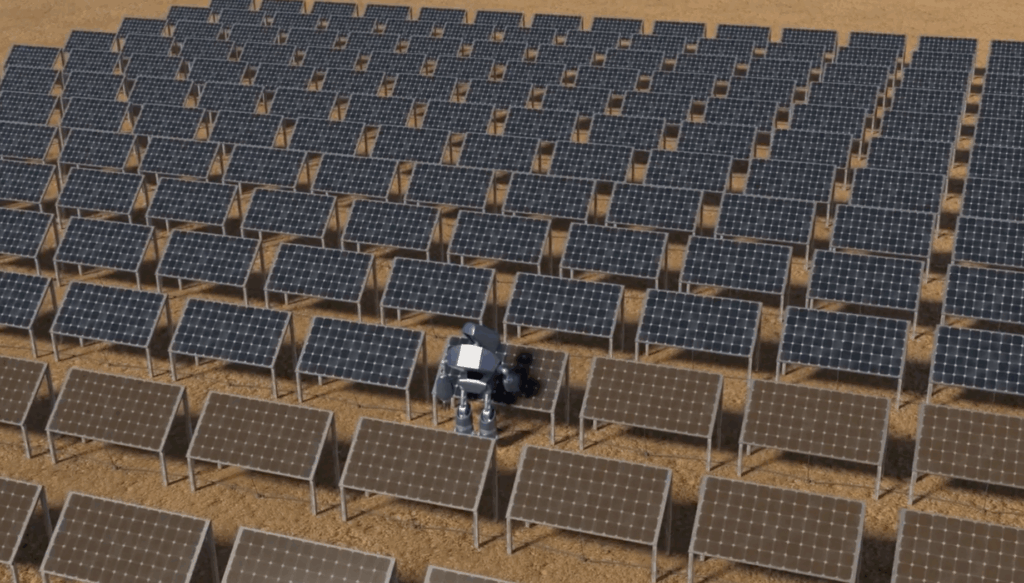
Venus is practically parked next to the star. Even in its upper atmosphere, sunlight is abundant and consistent, a nearly bottomless energy supply for any floating settlement. The planet also holds titanium, aluminum, and silicon, exactly the materials needed for electronics and solar panels.
The complication is reaching them, since the surface devours ordinary machines. Mining would demand hardened robotic systems or clever atmospheric harvesting.
Verdict of round three: clear win for Venus. In the long game of energy, sunlight is everything, and Venus is drowning in it.
Round Four: Which Future Actually Survives
Now the deciding question: which colony is still alive in a hundred years?
Mars enters as the overwhelming favorite. Decades of research, a string of successful orbital and surface missions, and actual timelines for human boots on the ground. It is the destination you can put on a schedule.
Venus remains a thought experiment. The floating habitat concept has never been tested at anything approaching colony scale.
Stretch the timeline further and both candidates show cracks. Mars threatens human health across generations with its thin air and weak gravity. Venus offers the priceless gift of near Earth gravity, but wraps it in acid clouds and the uncertainties of living beside a raging star.
Factor in terraforming dreams, and most scientists still land in the same place: Mars is the more stable, more achievable long term bet.
The Verdict
So why are scientists genuinely split? Because this debate was never really Venus versus Mars. It is realism versus ambition.
Mars is the practical answer, the world we can actually reach, land on, and build on with technology we nearly possess today. Venus is the audacious one, a planet that looks like certain death until you notice the Earth like refuge hiding in its skies.
The first human footprints beyond Earth will almost certainly press into red Martian dust. But do not close the file on Venus. Somewhere in the more distant future, cities may drift through golden clouds above the deadliest surface in the Solar System, and the planet everyone once dismissed as hell may become the strangest home humanity has ever built.