Mountains can seem eternal, but they are constantly changing. They rise through geological forces, slowly erode, and eventually become part of the landscape around them.
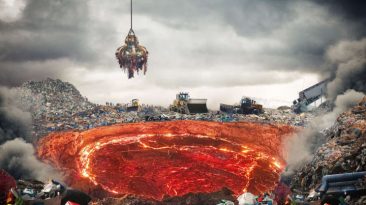
But what if every mountain on Earth suddenly began collapsing? What could cause such an impossible event, and could humanity survive the consequences?
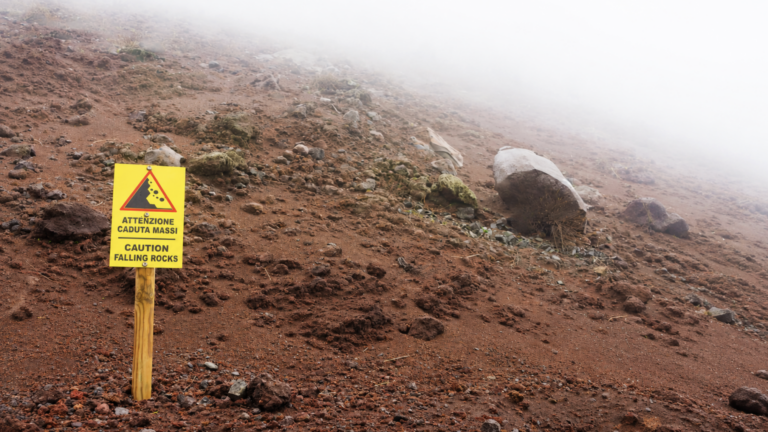
We already know how destructive mountain collapses can be. In 2015, a powerful earthquake struck the Himalayas and triggered thousands of landslides, sending enormous amounts of rock and soil into valleys below.
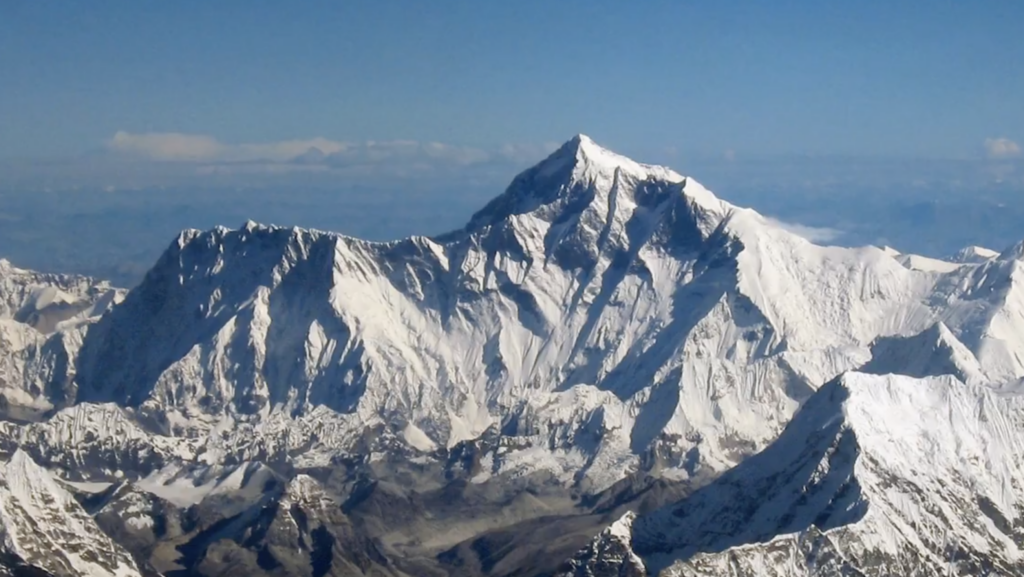
Ice can make mountains even more vulnerable. When glaciers and frozen material melt, slopes that depended on that support can become unstable, increasing the risk of sudden collapses.
Volcanoes can destroy mountains even faster. In 2018, Anak Krakatau in Indonesia lost more than two thirds of its height and volume after a massive section of the volcano collapsed into the sea.
But what would happen if thousands of mountains started falling together?
Scientists have found evidence that enormous mountain ranges have disappeared before. One ancient range once stretched across much of the region between the United States and Mexico, leaving behind clues of its former existence.
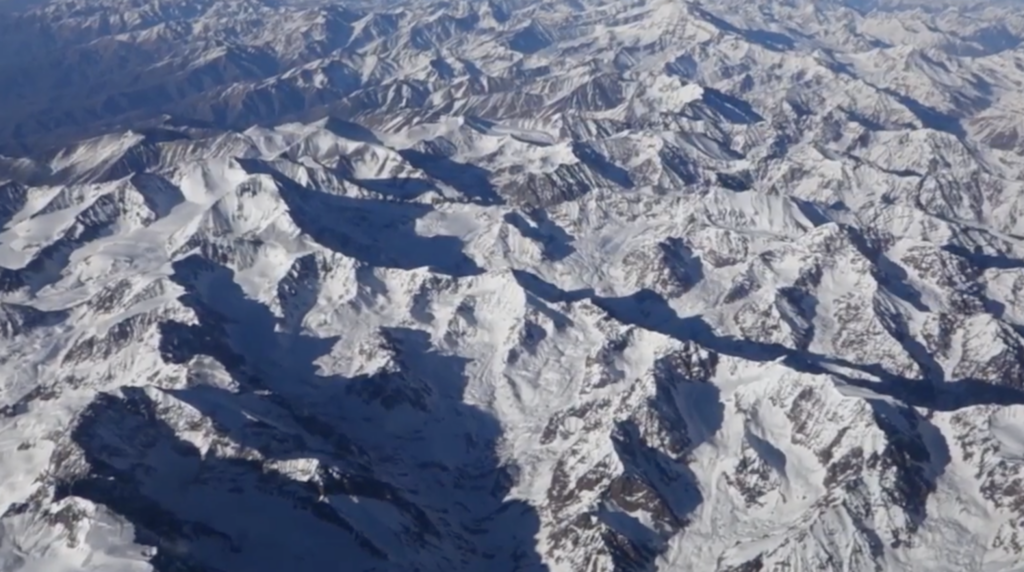
Researchers from Monash University studied the movement of tectonic plates to understand what happened. Their work focused on subduction zones, where one tectonic plate moves beneath another.
These zones can help create mountains, but changes in their size and movement can also contribute to their destruction. Over millions of years, those forces can completely transform an entire mountain range.
Now imagine that process happening much faster. Earthquakes, volcanic eruptions, melting ice and extreme erosion could combine to bring down enormous portions of the world’s mountains.
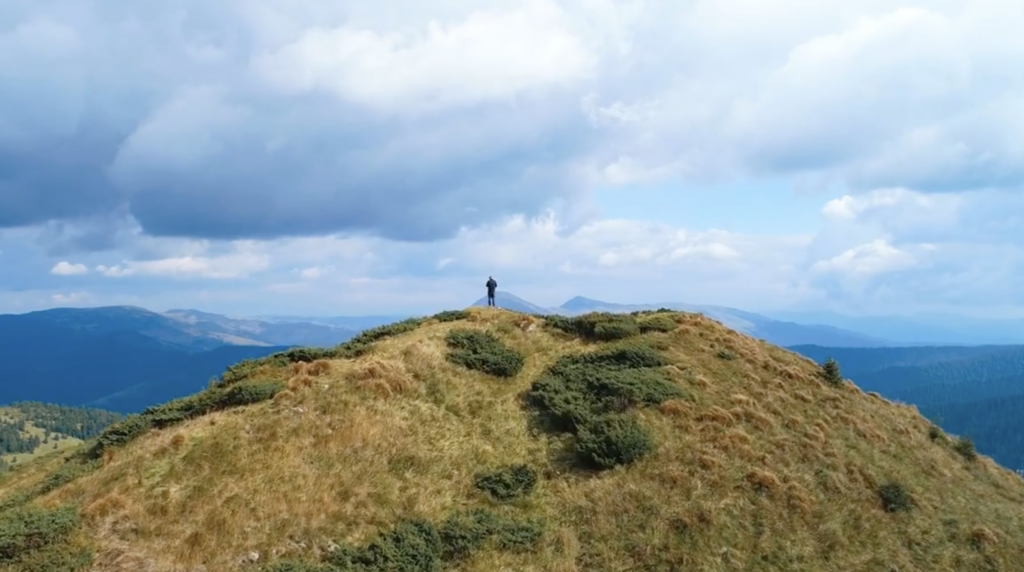
The immediate consequences would be devastating. Massive landslides could bury communities, destroy roads and block rivers, while volcanic collapses could generate enormous waves and flooding.
But the long term effects could be even more serious. Mountains are important to Earth’s carbon cycle because freshly exposed rock can absorb carbon dioxide through weathering.
If mountains disappeared, this natural process would eventually become weaker. At the same time, enormous amounts of rock would continue eroding, potentially disrupting the balance that helps regulate Earth’s climate.
Mountains also store freshwater in glaciers and snow, feeding rivers that millions of people depend on. Their disappearance could therefore threaten agriculture, ecosystems and drinking water far beyond the mountain regions.
Fortunately, there is no known force capable of making every mountain collapse at once. Earth’s geological processes simply do not work that way.
Still, mountains remind us that even the most permanent looking parts of our planet are constantly changing. Given enough time, every mountain eventually falls.