Picture the castle from the outside. Stone walls, high towers, a moat circling the base.
Now picture what is actually in that moat.
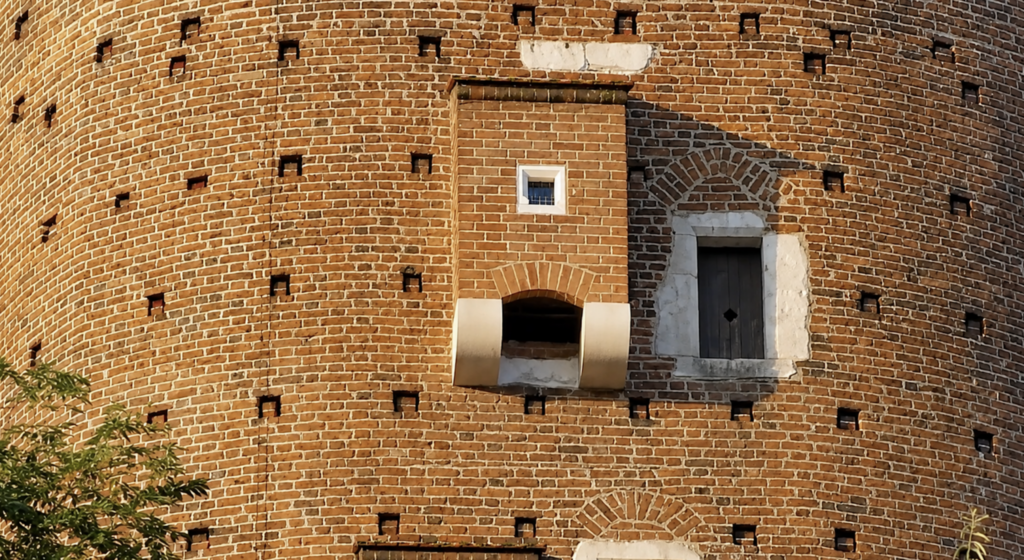
The upper classes of the Middle Ages had toilets called garderobes, built into the castle walls. They worked by dropping everything straight out the side of the building into the water below. No pipes, no treatment, no distance between people and their own waste.
Watch your step down there.
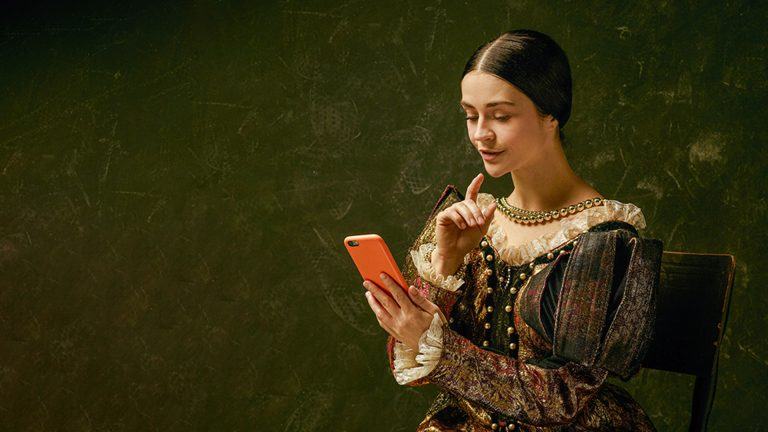
That is the world you are about to arrive in, and you are bringing a phone.
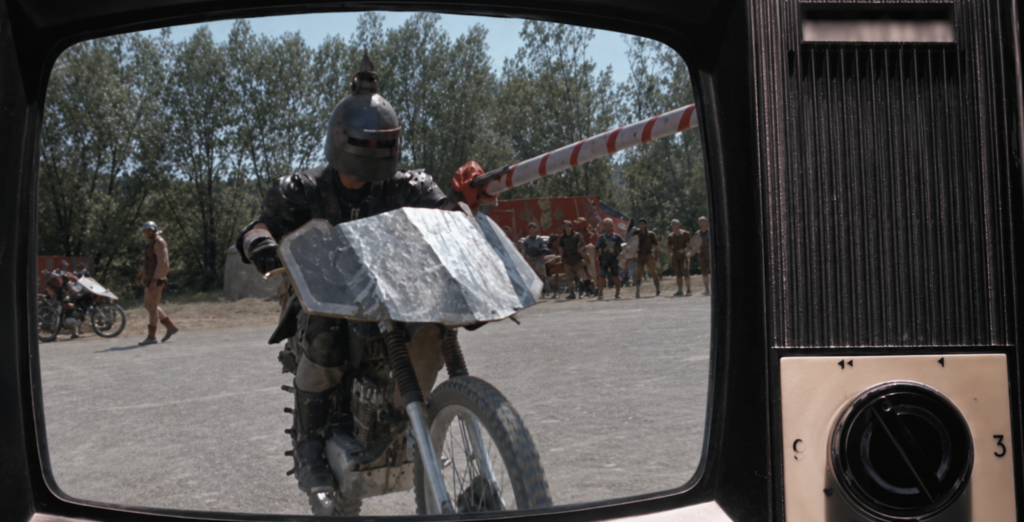
Historians define the Middle Ages as roughly 500 to 1500 CE, the centuries after the Western Roman Empire fell, when new social norms formed as Christianity spread. It is easy to dismiss the whole era as backward, especially on hygiene.
But one assumption is worth correcting immediately. Church and science were not enemies. Some religious leaders viewed scientific progress as a celebration of the divine creator, and fields from mathematics to natural studies were seen as ways to better understand God’s handiwork.
Without the advances made in this period, much of today’s technology would have no foundation at all.
Which means your arrival might not end at the stake. Those torches are probably not for you. Probably.
So where do you start fixing things?
Start in the bathroom, because that moat is killing people.
While China was already advancing toilet paper, European society was living waist deep in its own waste. That environment bred bacteria, and bacteria bred disease. Cholera in particular could kill a healthy person within hours.
Hours. Not weeks.
Introduce toilet paper and a simple brick sewer system and you prevent an enormous number of early deaths, without inventing anything they could not build themselves.
But sanitation only takes you so far.
Smallpox killed nearly 33 percent of everyone it infected, and the vaccine would not exist until 1796. You could carry doses back with you, but you would run out fast and have no way to produce more.

There is a workaround, and it comes from Dr. Edward Jenner, who invented that vaccine. He discovered that milkmaids infected with cowpox became immune to smallpox.
So you bring back cowpox instead and deliberately infect people with it, building early immunity to one of the deadliest viruses in history. A cowpox outbreak would still cost lives, but far fewer than smallpox was already taking.
And wear a mask for the first few weeks. You are carrying viruses from the future that nobody here has ever met.
With Europe healthier, it is time to switch the lights on.
Electricity as a concept traces back to the ancient Greeks, but in the Middle Ages it remains purely abstract. You could change that using nothing but materials already available.
Teach people to smelt copper and hammer it by hand into wire. Then use magnets to generate an electrical charge and direct it wherever it is needed. You would still have to explain light bulbs, solar panels, and engines, but you would have handed them the foundation of an entire connected age.
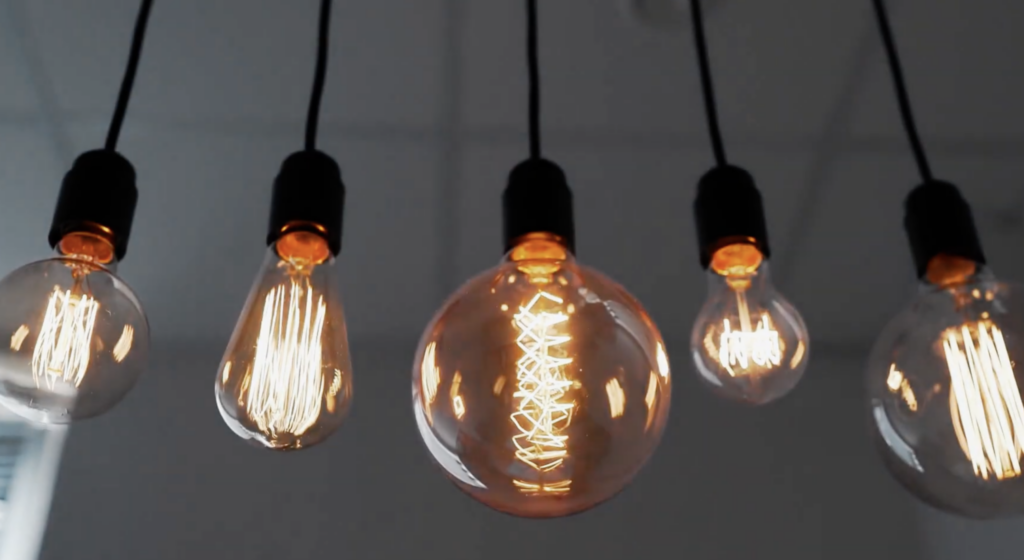
The printing press could arrive electrified centuries ahead of schedule, transmitting images and text across the world, ending the era when knowledge belonged only to those who could afford it.
And with a grid running, could you finally charge your phone?
Medieval Europe already had a beloved handheld device: the astrolabe, which told the time, gave your location, and even predicted your horoscope. A smartphone would make that hanging status symbol instantly obsolete.
Whether that counts as progress or just a new way to waste an afternoon is your call.
Either way, with the electrical system built, you can recharge your phone and your time machine at last.
Just understand what you have done. Every improvement you introduced accelerates human development by centuries, which means the future you came from may never happen at all.
Which raises an interesting next question. What if you climbed back into that machine and traveled 1 billion years forward instead?