Across the globe, there are islands that look beautiful from a distance but hide extreme dangers, from deadly wildlife to natural disasters and strict access restrictions. Some are surrounded by mystery, others by history, and a few by threats that make visiting them nearly impossible.
Here are some of the most dangerous islands in the world.
Ramree Island, Myanmar
During World War II, Ramree Island became infamous after hundreds of Japanese soldiers were reportedly pushed into its marshlands during conflict with British forces. The swamps were home to a large population of saltwater crocodiles, creating one of the most feared survival stories of the war.
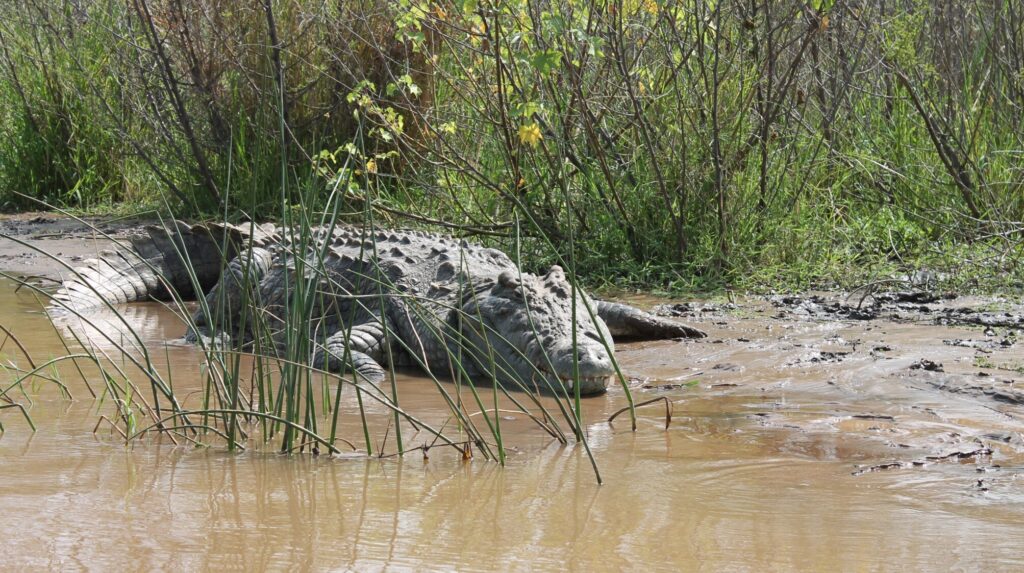
Today, the island is peaceful in appearance, but its wetlands remain risky terrain. The dense mangroves and marshes are still inhabited by crocodiles, making certain areas extremely dangerous for anyone exploring off marked paths.
Miyake Jima, Japan
Located about 100 km south of Tokyo, Miyake Jima is often called Gas Mask Island due to its volcanic activity. A major eruption in 2000 released toxic gases and ash, forcing residents to evacuate for years.
Even after people returned, they were required to carry gas masks at all times because of lingering sulfur gas emissions. The island is also part of a volcanic chain that has experienced thousands of earthquakes over the years, making it one of Japan’s most closely monitored regions.
Gruinard Island, Scotland
Gruinard Island earned the nickname Anthrax Island after being used for biological warfare experiments during World War II. British tests involving anthrax spores led to severe contamination, killing livestock and forcing the island into quarantine for decades.
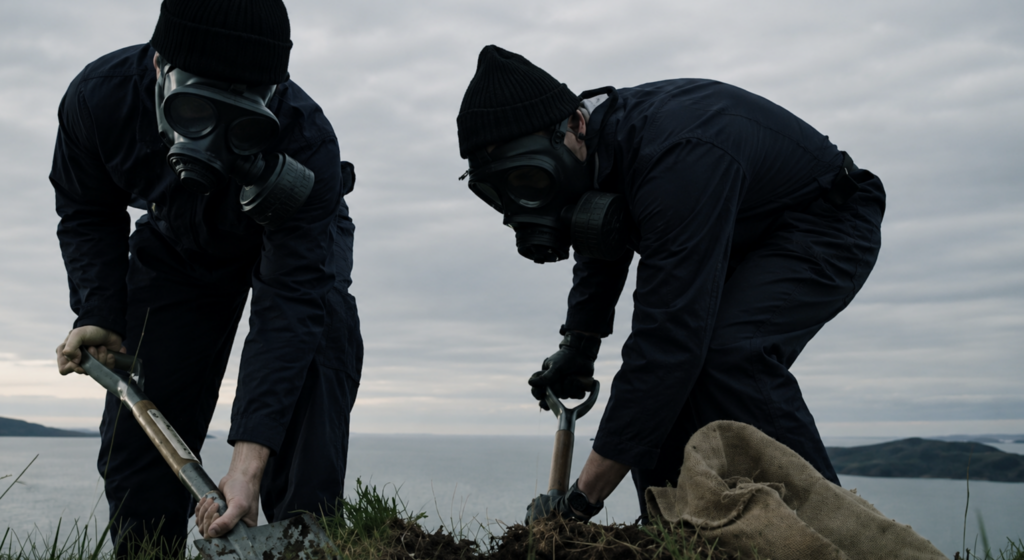
It was officially decontaminated in the 1980s and declared safe in 1990. Today, sheep graze there again, but its dark history still makes it one of the most infamous islands in Europe.
Komodo Island, Indonesia
Komodo Island is known for its hot, dry landscape and one of the most powerful predators in the reptile world, the Komodo dragon. These massive lizards can grow up to three meters long and are capable of taking down large animals like deer and water buffalo.
While attacks on humans are rare, they can occur, especially if visitors wander off designated paths or travel alone. Because of their strong sense of smell, even small injuries can attract unwanted attention, making caution essential when visiting the island.
Snake Island, Brazil
Located about 33 km off the coast of Brazil, Snake Island is one of the most dangerous islands in the world due to its dense population of venomous snakes. It is estimated that in some areas, there is almost one snake per square meter.
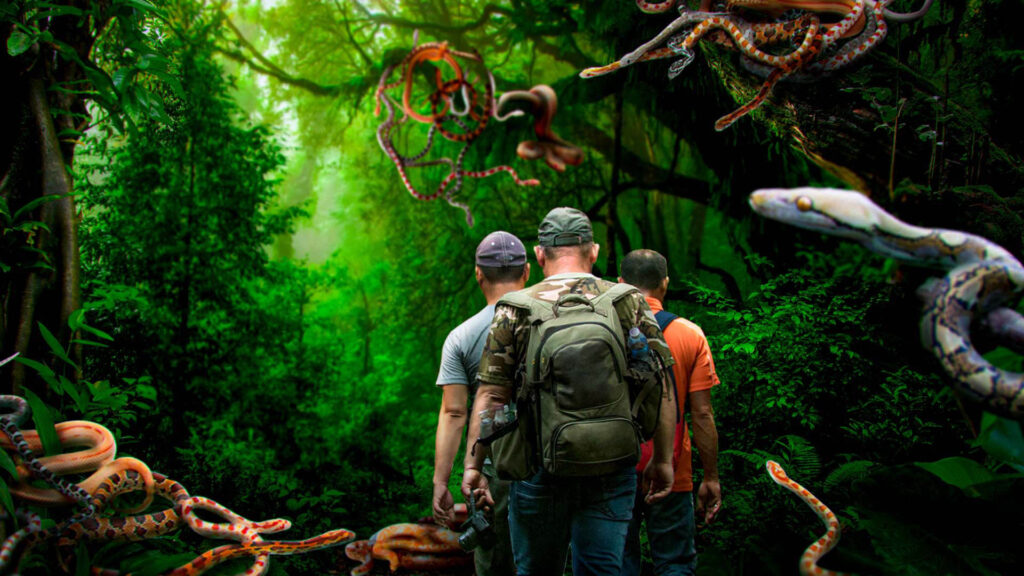
The island is home to thousands of golden lancehead vipers, one of the most venomous snakes on Earth. Their bite can cause severe tissue damage and can be fatal without immediate treatment.
Because of the extreme risk, Snake Island is closed to the public and can only be accessed by authorized researchers and the Brazilian Navy. Even trained personnel must take strict precautions when entering the area.
Poveglia, Italy
Often called the Island of Ghosts, Poveglia sits in the Venetian Lagoon and is surrounded by unsettling history. During the Black Plague, thousands of victims were sent there to die and were later buried or burned in mass graves.
In the 20th century, a psychiatric hospital was built on the island, fueling further rumors of disturbing conditions before it was eventually abandoned. Today, access is heavily restricted, and visitors require special permission from local authorities.