For more than a century, humanity has relied heavily on fossil fuels to power modern civilization. Oil, natural gas and coal have supplied most of the world’s energy, but these resources are finite, and burning them releases enormous amounts of carbon dioxide into the atmosphere.
That raises an important question: what happens when we finally move beyond fossil fuels?
Solar and wind power are already transforming the energy industry, but both depend on conditions that can change throughout the day. The ocean, however, is constantly moving. Waves rise and fall, tides shift enormous volumes of water, and ocean currents continuously carry huge amounts of kinetic energy around the planet.
That movement could represent one of the largest untapped renewable energy resources on Earth.
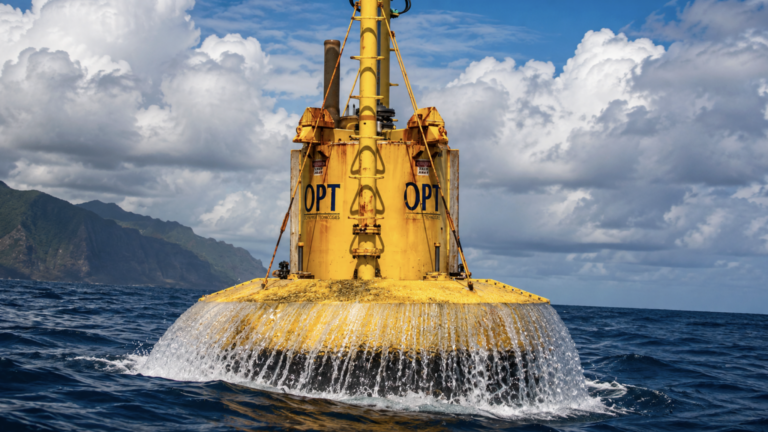
Scientists and engineers have developed several ways to capture energy from the ocean. Tidal turbines can use moving water to generate electricity, wave energy devices can convert the motion of waves into power, and ocean currents could potentially provide a steady source of energy.
The numbers are enormous. Estimates suggest that the world’s oceans contain hundreds of trillions of watts of kinetic energy. Even capturing a tiny fraction of that energy could make a significant contribution to global electricity production.
But there is an important catch.
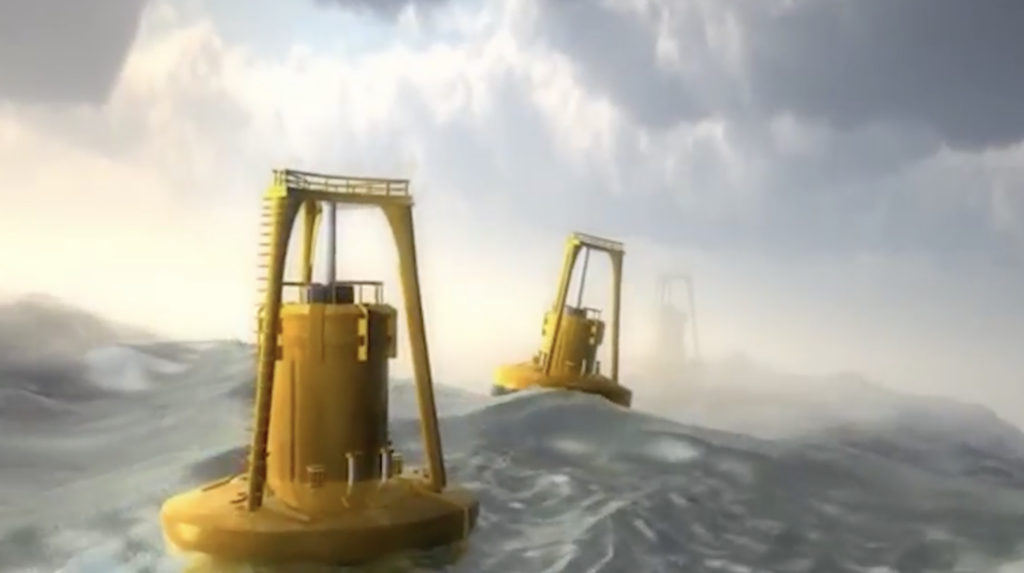
We cannot simply cover the ocean with turbines and expect the world to run on seawater. Ocean energy technology remains expensive and technically challenging, while equipment must survive some of the harshest conditions on Earth. Saltwater is highly corrosive, storms can damage infrastructure, and installing and maintaining equipment far offshore can be extremely difficult.
There is also the environment to consider. The ocean is home to complex ecosystems, and large scale energy projects could potentially affect marine animals, habitats and the natural movement of water.
For ocean energy to become a major part of the global power system, engineers would therefore need to solve several problems at once. The technology would have to generate electricity efficiently, remain affordable, survive for years in the ocean and minimize its impact on marine ecosystems.
If those challenges can be overcome, the consequences could be enormous.
Instead of extracting fuel from underground, countries could harvest energy directly from the movement of the sea. Nations with large coastlines and powerful tidal or wave resources could become major energy producers, potentially changing the geopolitical balance that has historically been shaped by oil and gas.
Countries such as Scotland, which has enormous potential for marine energy, could find themselves playing a much larger role in the global energy market. Meanwhile, traditional fossil fuel exporters could face an entirely different economic future as demand for oil and gas declines.

Landlocked countries would face another challenge. They could become dependent on international electricity grids and energy agreements connecting them to nations with access to abundant ocean resources.
That means the transition would require more than technology. It would require enormous investments in infrastructure, international cooperation and new agreements governing how renewable electricity is produced and distributed.
If ocean energy eventually becomes cheap and reliable enough to compete with fossil fuels, it could become one piece of a much larger renewable energy system. Solar, wind, hydroelectric power, geothermal energy and ocean technologies could work together to create a far more diverse global energy network.

The biggest prize would not simply be replacing oil and coal. It would be reducing the greenhouse gas emissions responsible for much of today’s climate change while providing reliable electricity to regions that still struggle with energy access.
The ocean will not magically solve the world’s energy problems, and the idea of powering the entire planet with ocean energy remains far more complicated than simply installing enough turbines.
But the potential is difficult to ignore.
For billions of years, the oceans have been moving. Waves crash against coastlines, tides sweep through narrow channels and enormous currents flow across entire oceans.
Humanity has spent centuries digging into the ground for energy. Perhaps the next great energy revolution will come from looking out toward the sea.