If Earth released all its methane, it would be bad news for everyone on the planet. Methane is one of the most potent greenhouse gases, with a global warming potential up to 84 times higher than carbon dioxide over a 10 to 20 year period.
Sure, we can limit the amount of methane released through human activities like extracting oil. But as long as global temperatures keep rising, there’s little we can do about the enormous methane deposits trapped beneath the Arctic ice.
The last time an abundance of methane escaped from the Earth, it contributed to a mass extinction that wiped out around 90% of life on the planet. Could that happen again?
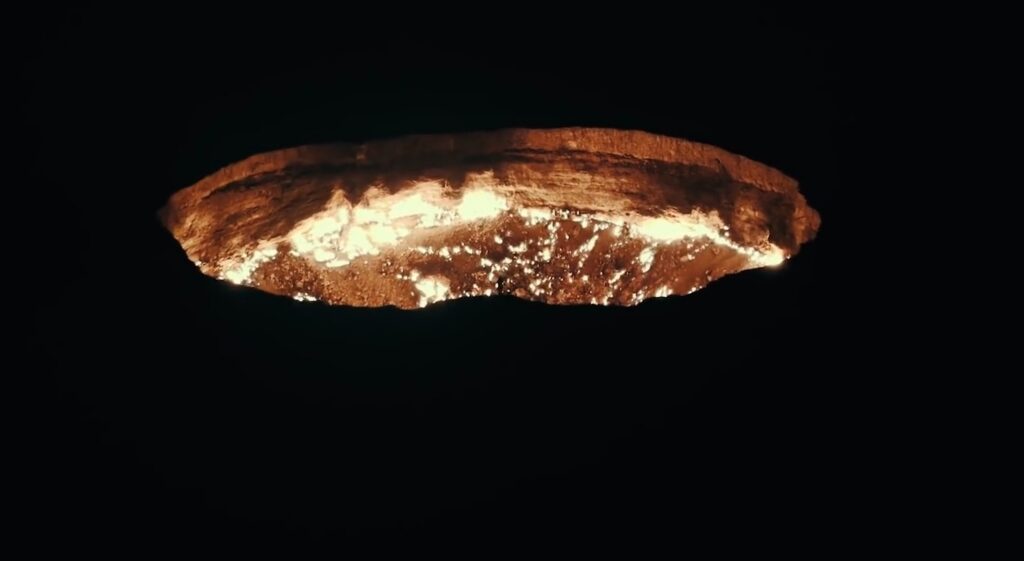
You wouldn’t know it, but methane is hiding all over our planet. It’s odorless, colorless, and can sometimes only be detected with specialized equipment.
Methane can be produced through chemical reactions as organic matter decomposes in low oxygen environments like bogs and swamps. When plants die and sink to the bottom of swamps, bacteria break them down and produce methane.
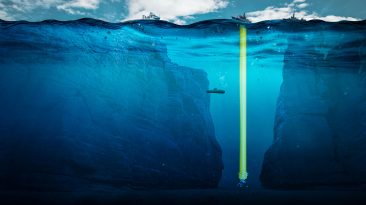
In the Arctic, water molecules trap methane molecules in a kind of chemical cage called a clathrate. These deposits are found on the ocean floor, where low temperatures and enormous pressure have kept the methane trapped. But as temperatures rise, the clathrate cages can become unstable, releasing methane and water molecules.
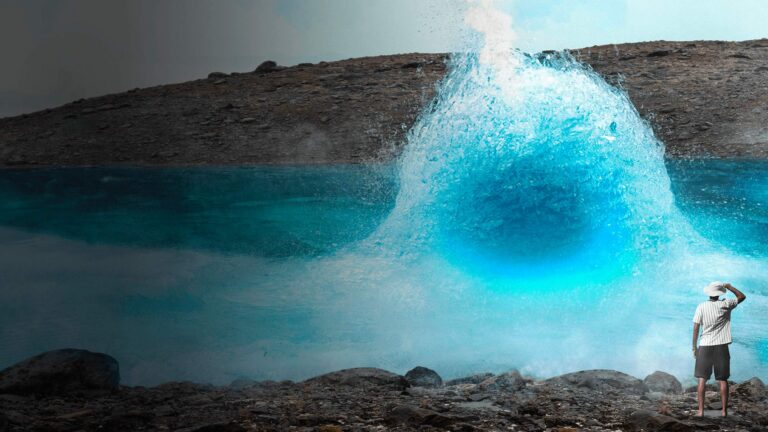
The methane deposits expand into gas filled bulges on the ocean floor. Eventually, these bulges can grow and burst, releasing methane bubbles into the atmosphere.
And this isn’t the only way warming temperatures will release more methane into the air.
Thanks to global warming, the permafrost in the Siberian tundra is melting. This frozen organic material contains enormous amounts of trapped carbon. As it thaws, methane and carbon dioxide are released into the atmosphere.
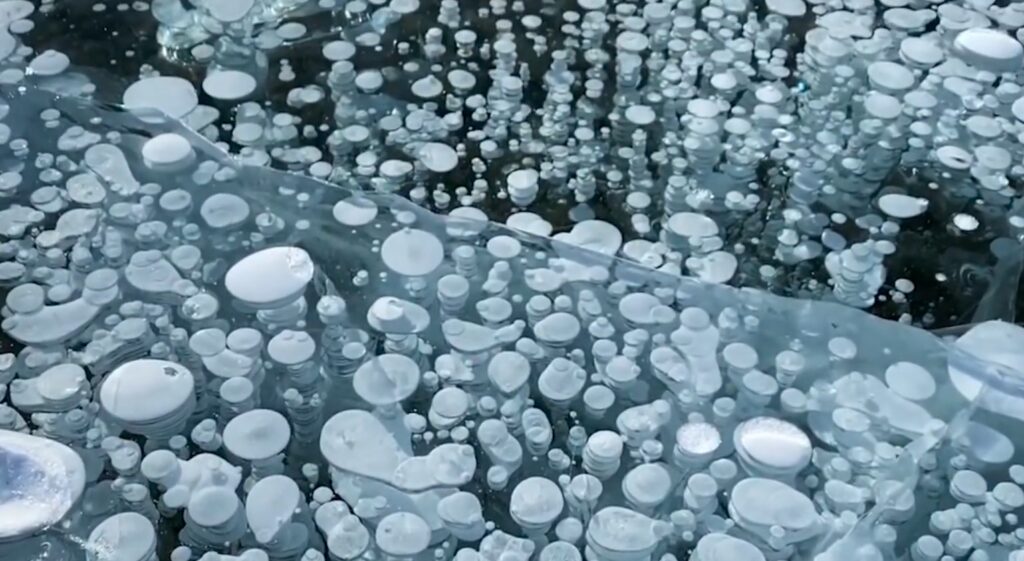
In the short term, all this additional methane would result in even warmer temperatures. In the long term, it could contribute to another mass extinction similar to what happened during the Permian extinction.
Around 250 million years ago, the Permian extinction wiped out approximately 90% of marine species and a large proportion of life on land. If the Earth continues releasing methane on a massive scale, the consequences could be devastating.
Our oceans would rise significantly, forcing everyone living near the coasts to move inland. Rising temperatures would also allow insect borne diseases like malaria to spread into new regions.
Droughts would lead to major food shortages, while increasingly intense storms would continuously bombard our homes and communities.
Unfortunately, the release of methane is part of a cycle that’s difficult to stop. But there are some things we can control.
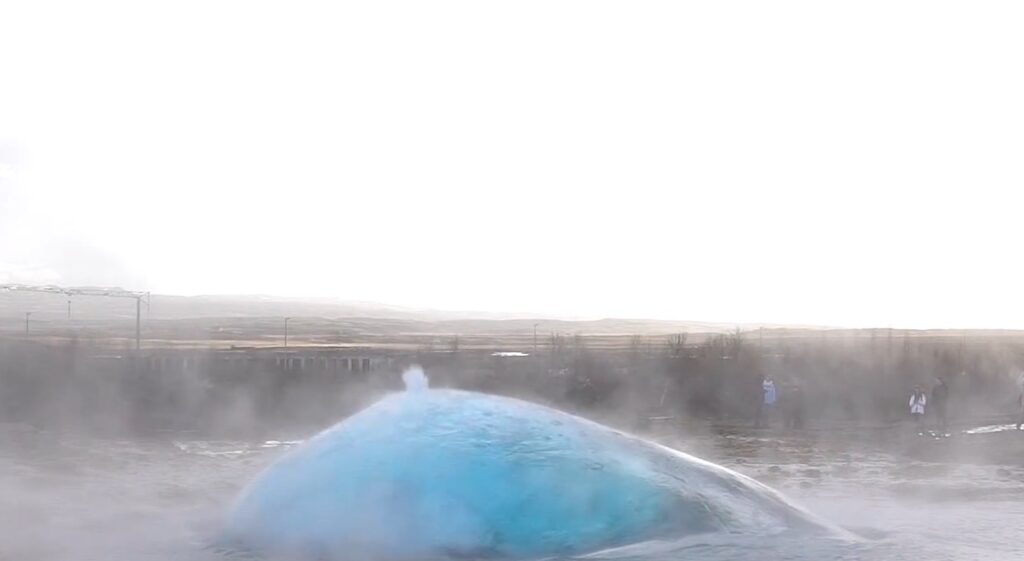
If we can get human methane emissions from sources like natural gas leaks and coal mining under control, the natural methane released by the Earth may not become such a major concern.
That’s why the Environmental Defense Fund has collaborated with more than 140 experts to measure methane pollution worldwide. By turning that data into environmental action, they believe methane pollution could be reduced significantly.
Ironically, the best thing for our planet might be if humans stopped releasing so much methane into the atmosphere. If our species disappeared, many human sources of methane pollution would disappear with us, giving the climate a chance to recover.