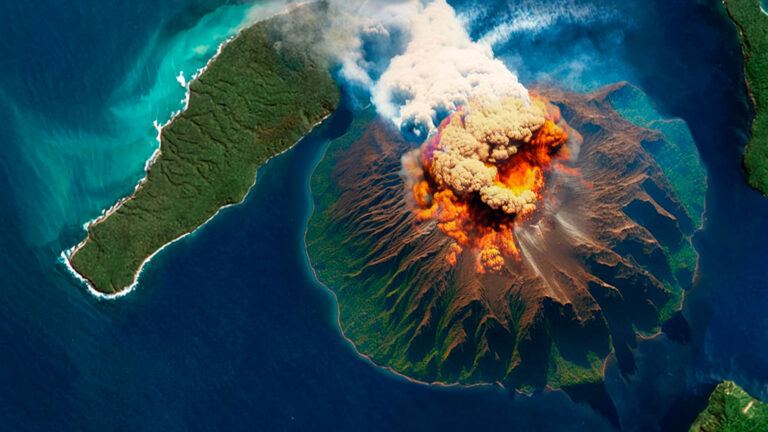
In August 1883, one of the most catastrophic natural disasters in recorded history struck Indonesia. Krakatoa, a volcano located in the Sunda Strait, erupted with such incredible force that its explosion could be heard thousands of kilometers away. The blast was so powerful that its sound traveled around the world, while the devastating aftermath claimed as many as 36,000 lives.
But what if Krakatoa erupted with the same intensity today? Would modern technology be enough to protect us, or would entire regions face an unimaginable catastrophe?
To understand what could happen, imagine that Krakatoa had never experienced its devastating 1883 eruption and had instead continued growing into an enormous volcanic threat.
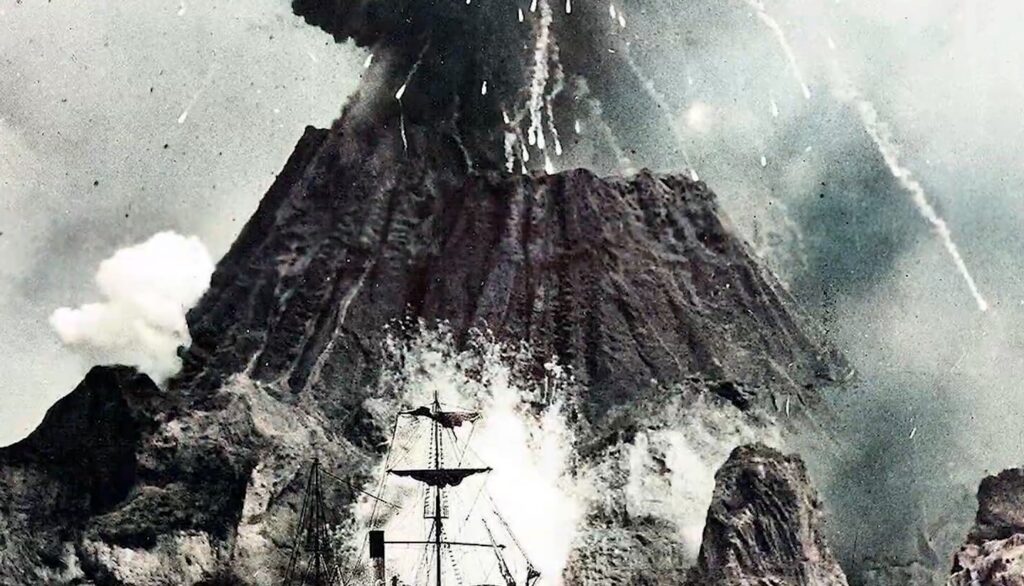
If you lived in Jakarta, Indonesia’s capital, you might be among the first to notice something unusual. For months, strange underground booms would echo across the region, followed by doors and windows shaking violently. These sounds would signal increasing volcanic activity beneath the Indian Ocean.
In the days that followed, Krakatoa would begin releasing ash and gas. Small amounts of volcanic ash could travel as far as southern India and Thailand, while enormous columns of steam and smoke would rise above the island.
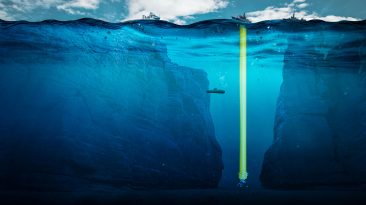
Over the following weeks, the situation would become increasingly dangerous. Molten rock and volcanic glass would be thrown into the surrounding ocean, disrupting shipping routes, destroying fishing grounds, and threatening marine ecosystems.
Eventually, the volcanic column would reach approximately 25 kilometers into the atmosphere. But this would only be the beginning.
The following day, Krakatoa would unleash an explosion so powerful that its sound waves could circle the planet four times. Although not everyone would hear it, people in Australia could potentially detect the blast. Even 160 kilometers away, the explosion would sound louder than a jet engine.
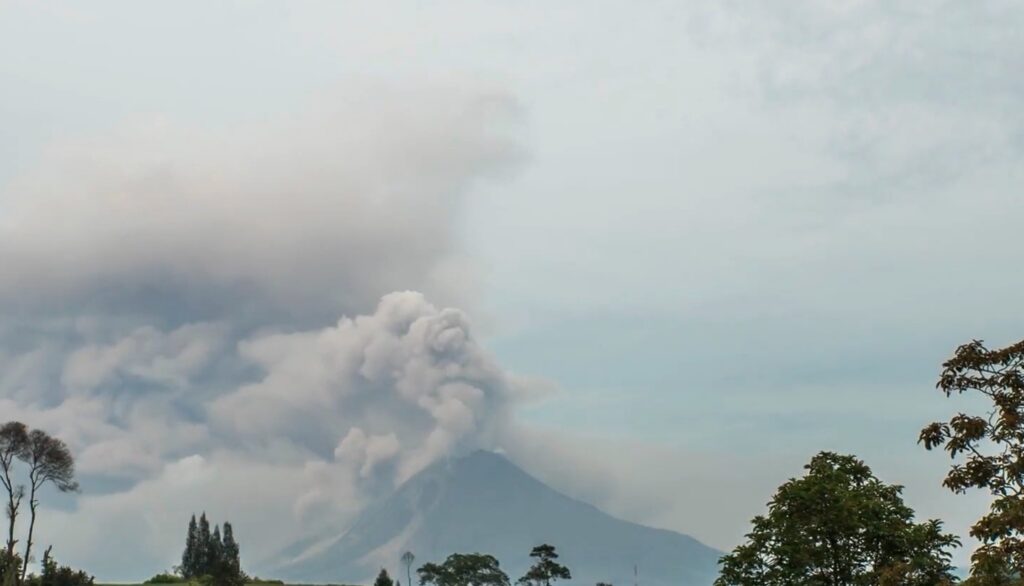
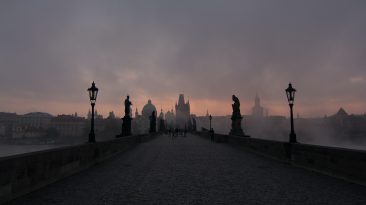
Anyone standing too close could suffer ruptured eardrums from the immense pressure wave. Meanwhile, surrounding areas would suddenly become dark as enormous quantities of volcanic ash blocked sunlight for several days.
But the greatest danger would come when the explosion caused large sections of the volcano to collapse into the sea.
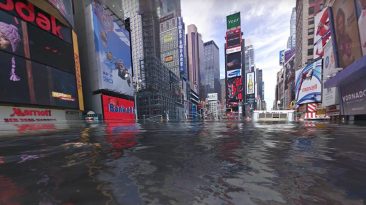
This collapse would trigger enormous tsunamis, sending walls of water toward Indonesia’s surrounding coastlines. Millions of people could find themselves in danger, with coastal communities facing catastrophic flooding.
Jakarta would be particularly vulnerable. A tsunami exceeding 37 meters could devastate the capital, while distant coastal regions, including parts of Hawaii and South America, could also be placed under tsunami warnings.
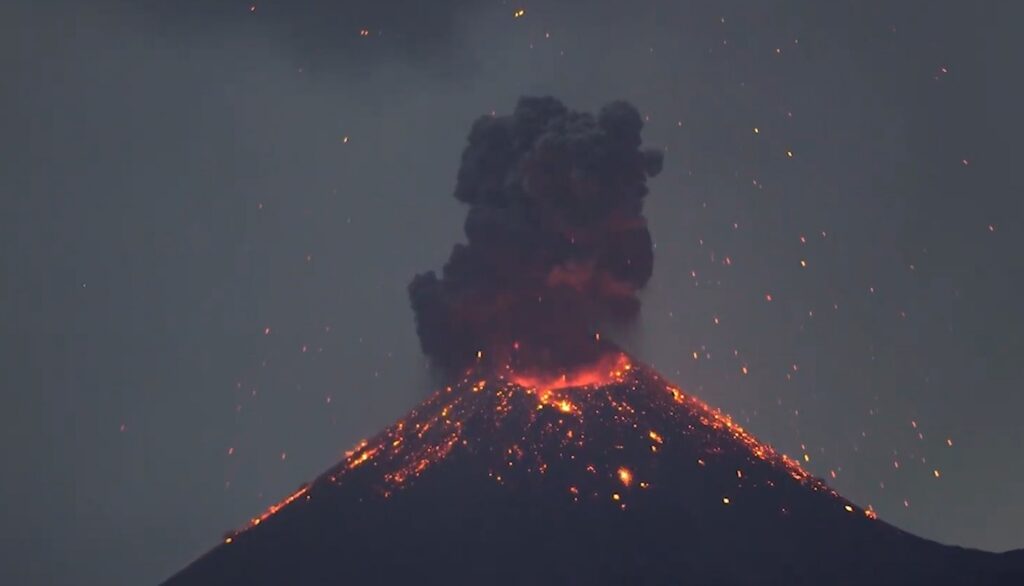
Air travel would become another major problem. Volcanic ash clouds could spread across important flight routes, reducing visibility and damaging aircraft engines. Even planes already in the air could experience engine failures, forcing emergency landings or potentially causing crashes.
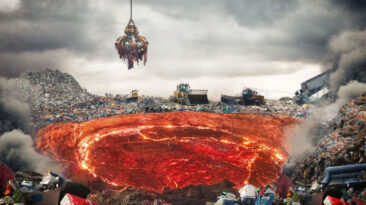
The eruption would also release enormous quantities of dust and debris. The amount could be so overwhelming that, if concentrated over New York City, it would be enough to bury almost the entire Empire State Building, leaving only its antenna visible.
Agriculture across Indonesia, Southeast Asia, and Australia would suffer tremendously. Thick layers of ash could cover farmland, contaminate water supplies, and make it difficult for crops and livestock to survive.
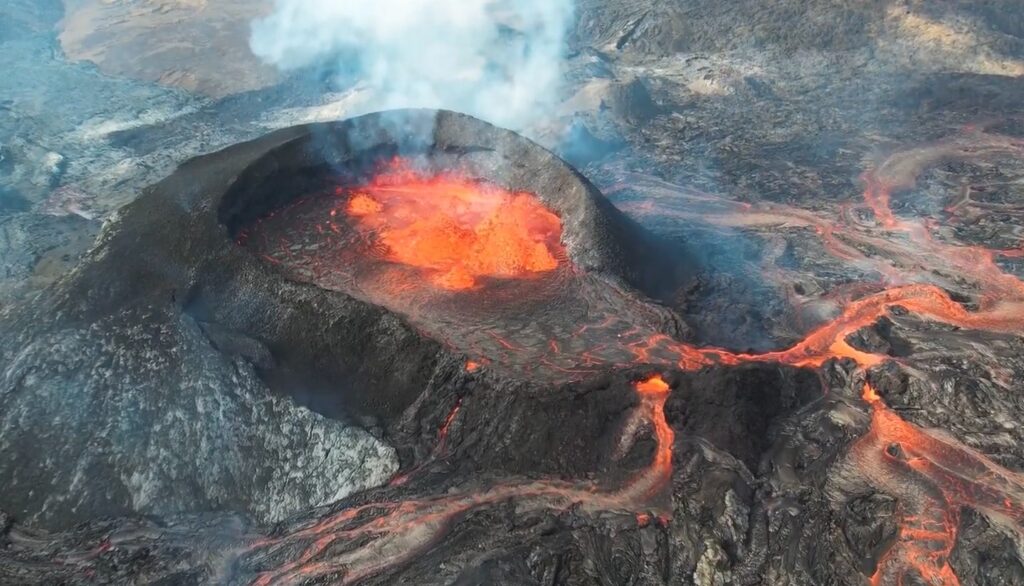
However, Krakatoa’s destruction could also produce an unexpected effect on the planet. When the volcano erupted in 1883, volcanic particles entering the atmosphere helped lower average global temperatures for several years.
A similar eruption today could temporarily cool the planet by reducing the amount of sunlight reaching Earth’s surface. The volcanic particles would also create spectacular sunsets and sunrises, with intense red and orange colors appearing across the sky. Even the Sun and Moon could take on unusual greenish shades.
Krakatoa’s eruption would be a disaster of extraordinary proportions. Modern technology could help detect the warning signs and evacuate vulnerable populations, but it could not prevent the volcano from unleashing its enormous power.