Over the last 30 years, the Arctic has lost almost all of its oldest, thickest ice. Today, around 70% of the Arctic is covered with thin seasonal ice that shrinks in the summer and grows back in the winter.
This is happening because global temperatures are increasing, and the Arctic is warming up twice as fast as the rest of the planet. By some estimates, if the Earth continues to get hotter, the Arctic could lose all its summer ice by 2030. And this would affect much more than just the Arctic.
The Arctic works like a global freezer, keeping the planet cool. Take away all that ice, and weather patterns around the world could change in unpredictable ways. But it doesn’t have to end like this. We could step in and regrow some of the Arctic ice. But how exactly would we go about it?
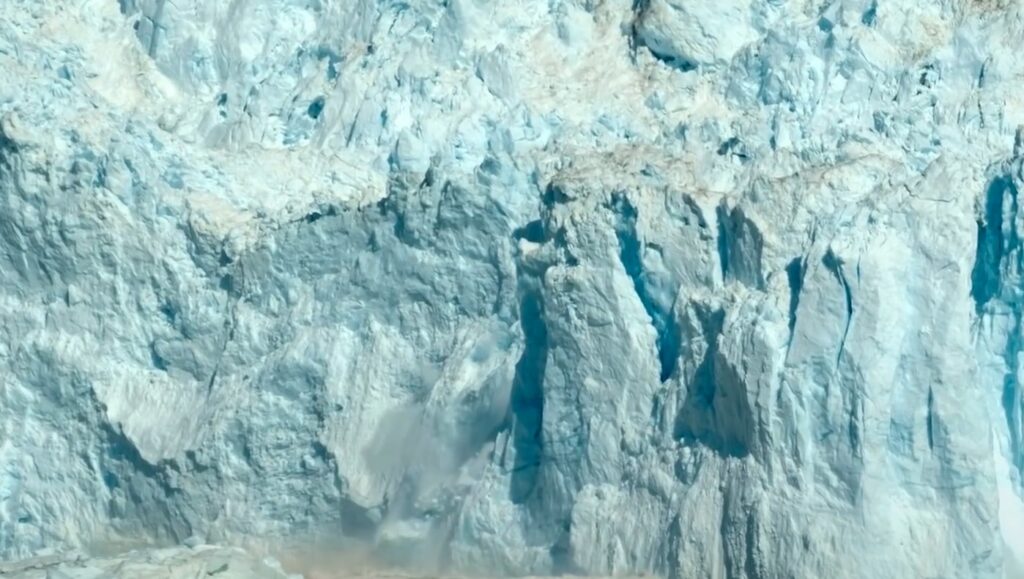
The answer lies in geoengineering.
We could bring the ice back to the Arctic with the help of huge wind powered pumps, 10 million of them, to be precise. These pumps would spread seawater onto the glaciers, where it would freeze and form a new layer of ice. Over one Arctic winter, the pumps could add another meter of thickness to the ice caps.
But this would come with a price tag of $500 billion. And even though that’s less than 1% of the world’s gross domestic product, some governments might consider the cost too high. But there are other ways.
Polar ice keeps the planet cool by reflecting the Sun’s energy back into space rather than absorbing it. This is known as the albedo effect. We could help young Arctic ice reflect more sunlight by covering it with small, shiny silica microspheres. These powder like microbeads aren’t toxic, and their chemical and physical properties are similar to sand.
It would cost us just $300 million to sprinkle 25,000 square kilometers of the Arctic. But that would cover less than 1% of all the ice there.
And we’re talking about dumping millions of tons of silica over the Arctic, which would eventually sink to the bottom of the ocean when the ice melted. We don’t yet know what ecological impact this could cause over time. We could also try cutting off some of the Sun’s rays using clouds. By seeding clouds above the Arctic with droplets of saltwater, we could potentially make them thick enough to reflect more sunlight.
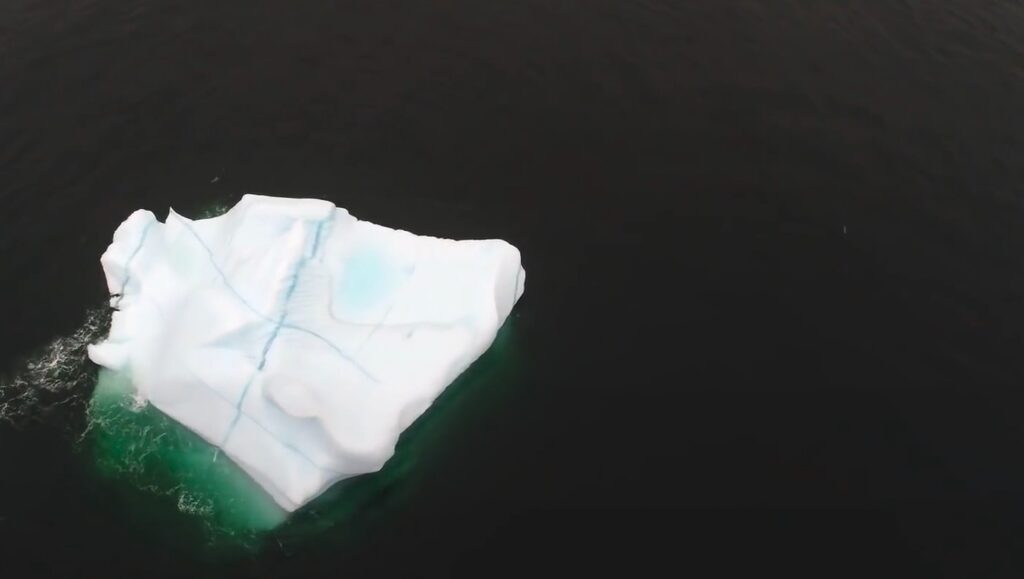
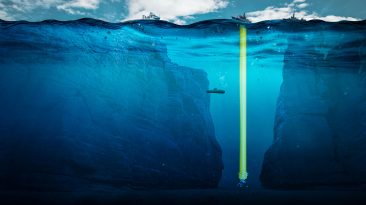
Or, we could go further and start growing icebergs. First, we’d send submarines below the ocean’s surface and fill their tanks with seawater. An onboard desalination system would remove the salt, and then a giant freezing machine would create icebergs 5 meters thick and 25 meters wide.
But despite how cool it sounds, the energy required to power the operation, along with the heat it would release, might cancel out any benefits of restoring Arctic ice.
Should we even bother? We could simply watch the Arctic lose its ice to climate change until eventually there was nothing left.
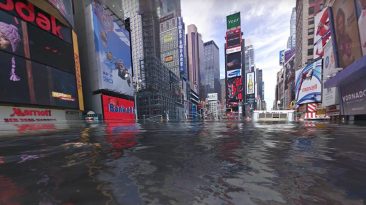
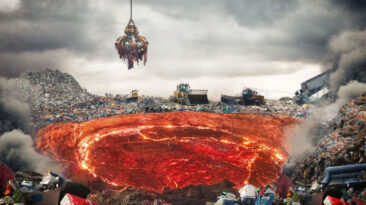
As temperatures rose, Arctic permafrost would melt and release more carbon dioxide into the atmosphere, increasing global temperatures even further. Weather patterns across the planet could be disrupted, resulting in more floods, droughts, and heatwaves.
Some scientists even believe an ice free Arctic could bring harsher winters to Europe and North America. And who knows what else could happen? Without ice to rest on, polar bears would be forced to swim more instead of conserving their energy when food is hard to find. This could put their populations under even greater pressure.
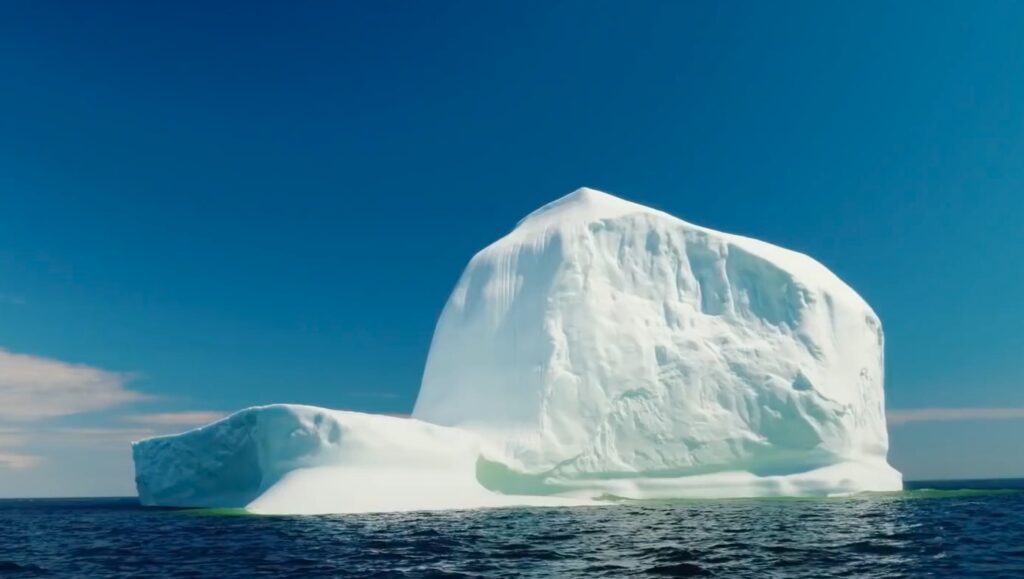
It would be fantastic if we could refreeze the Arctic. We should at least try to restore a small portion of it. But that would only be a temporary bandage if we continued doing the things that caused the ice to melt in the first place.
It really comes down to making a collective effort to switch to renewable energy sources and energy efficient appliances, cut back on the amount of meat we eat, stop throwing food away, reduce water waste, and buy electric or at least fuel efficient cars.
And remember, you have a right to demand policies that reflect climate science. Together, we could help stop climate change globally before it’s too late.
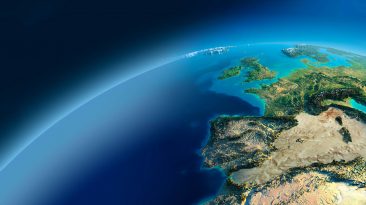
If we don’t start acting now, we might eventually have to leave Earth and search for another planet to call home. But that’s a story for another WHAT IF.