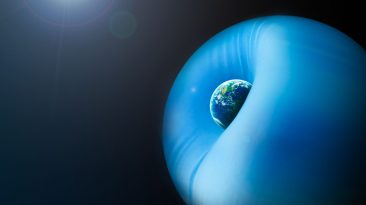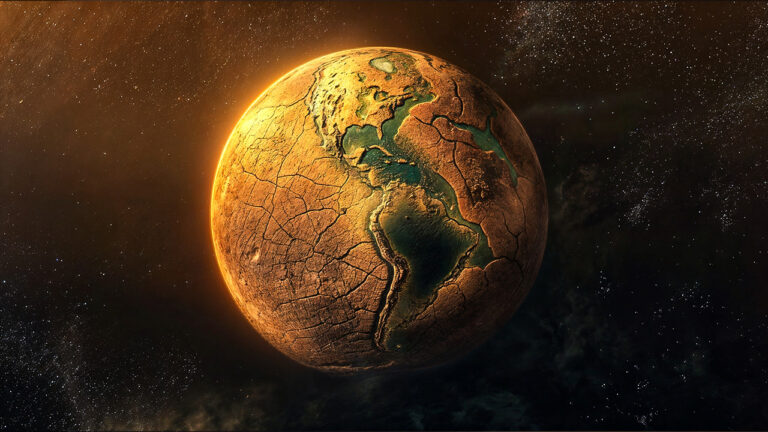
Imagine stepping outside and seeing a sky covered by thick yellow clouds. The air around you feels heavy, toxic, and impossible to breathe. The ground beneath your feet is hot enough to destroy anything standing on it. This would be Earth if our planet suddenly gained the same atmosphere as Venus.
Venus is often called Earth’s twin because the two planets are similar in size and composition. But the resemblance ends there. Venus has one of the most extreme environments in the solar system, with crushing atmospheric pressure, temperatures high enough to melt lead, and clouds filled with corrosive sulfuric acid.
If Earth’s atmosphere suddenly transformed into something like Venus’s, the result would be a global catastrophe. Oceans would disappear, forests would burn away, cities would collapse, and almost every living organism would be wiped out.
1. Earth Would Become an Unlivable Furnace
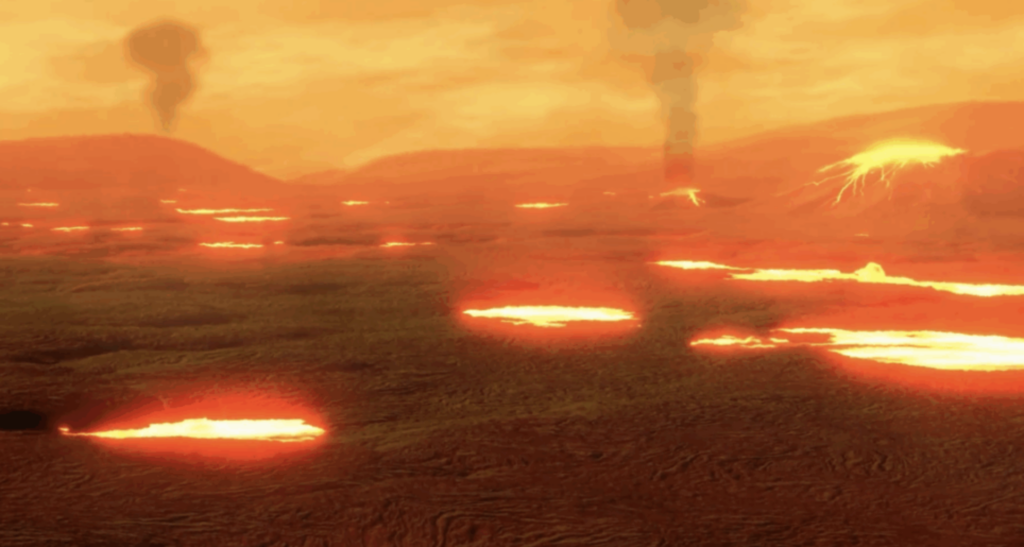
The first and most devastating change would be the temperature.
Venus has an atmosphere made mostly of carbon dioxide, a gas that traps enormous amounts of heat. Because of this powerful greenhouse effect, the planet’s surface temperature reaches around 465 degrees Celsius, making it the hottest planet in the solar system.
If Earth developed a similar atmosphere, temperatures would rise to levels beyond anything humans could survive. The heat would spread across the entire planet, turning forests into flames and transforming oceans into clouds of steam.
Buildings, roads, and vehicles would begin to fail as materials weakened under extreme temperatures. The comfortable environment that allowed life to flourish would disappear, replaced by a world more similar to a giant furnace.
2. The Atmosphere Would Become Poisonous
Breathing would become impossible almost instantly.
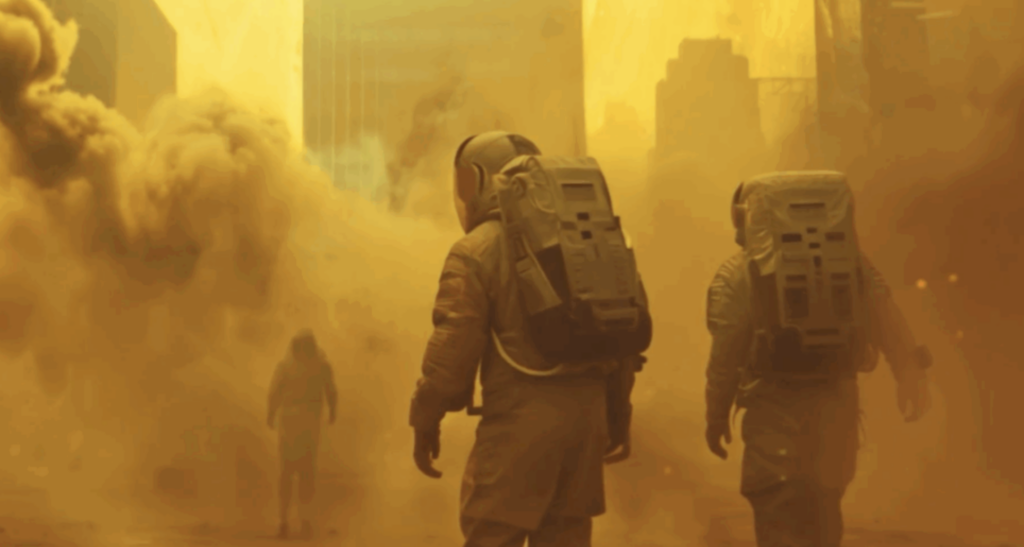
Venus’s atmosphere contains about 96 percent carbon dioxide, along with clouds of sulfuric acid. While carbon dioxide is not poisonous in small amounts, a planet filled with it would leave no usable oxygen for humans, animals, or most plants.
The pressure would also become deadly. Venus’s surface pressure is about 90 times greater than Earth’s, meaning standing outside would feel like being deep beneath the ocean. The human body is not designed to survive such conditions.
Without a specially designed protective suit, any person exposed to this atmosphere would quickly be overwhelmed by the toxic gases, extreme pressure, and unbearable heat.
3. Earth’s Landscapes Would Be Destroyed
The familiar world around us would disappear.
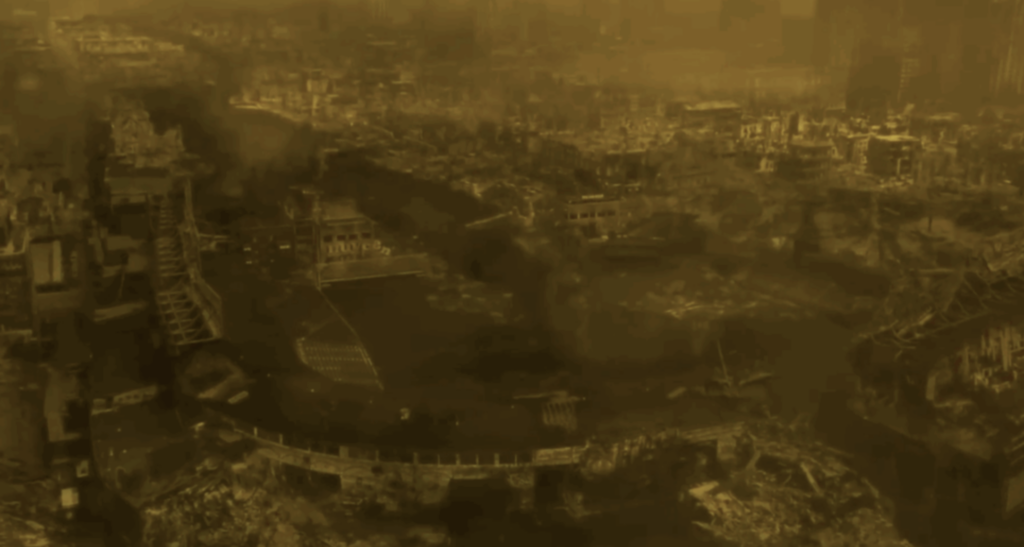
The blue sky would be replaced by a thick yellow haze created by acidic clouds. Rain would no longer bring fresh water but would contain corrosive chemicals capable of damaging surfaces and materials.
Forests would vanish as plants could not survive the heat. Rivers and lakes would dry up, while oceans would slowly evaporate into the atmosphere. Animals would have nowhere to escape, and ecosystems that took millions of years to develop would collapse within a short period.
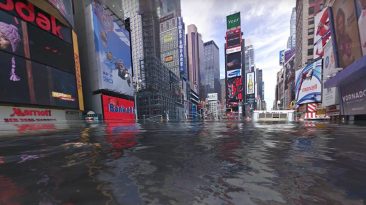
Human cities would also begin to fall apart. Metal would weaken, electronics would fail, and structures would struggle against the extreme environment. The planet that once supported billions of people would become an unrecognizable wasteland.
4. Humanity’s Only Hope Would Be Underground
If any humans survived the initial transformation, the surface would no longer be an option.
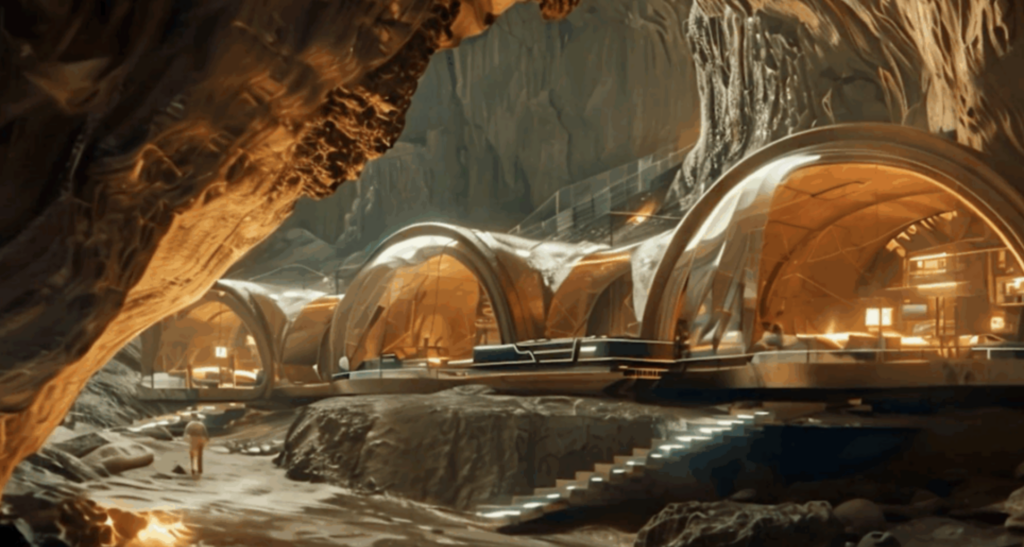
The last remaining survivors would need to move into heavily protected underground facilities. These shelters would require artificial oxygen systems, advanced cooling technology, and powerful filtration equipment to block out the toxic atmosphere above.
Life underground would become completely dependent on machines. Food production, energy, and air supply would all need to be carefully controlled. Humanity would no longer live freely across the planet but instead exist in isolated underground colonies.
5. Earth Would Turn Into a Venus Like World
Over time, the surface would become a place where almost nothing could survive.
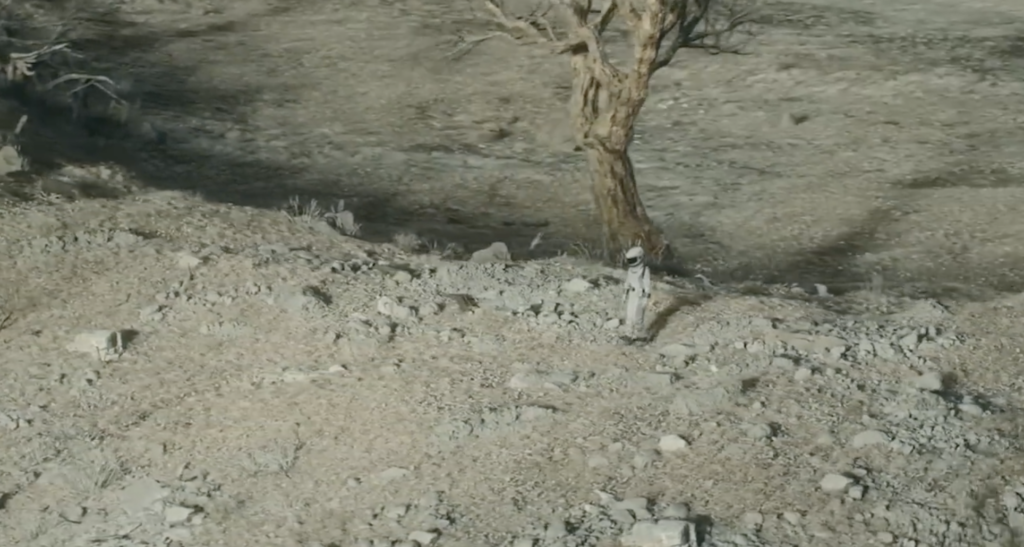
The oceans that once covered most of Earth would be gone. Mountains, deserts, and cities would sit beneath a permanent layer of poisonous clouds. Strong winds would move across an empty landscape of scorched rock, carrying chemicals through a world without forests, animals, or human civilization.
The planet would still exist, but it would no longer be the living world we recognize today. Earth would become a silent, hostile planet similar to Venus.
6. Venus Shows Why Earth’s Atmosphere Matters
The story of Venus is a reminder of how important a planet’s atmosphere is.
Scientists believe Venus may have once had conditions very different from today, possibly including liquid water. Over time, a powerful greenhouse effect transformed it into the extreme world we see now.
Earth is protected from this fate by its distance from the Sun and its natural systems, but Venus shows how dramatically a planet can change when its climate balance is disrupted.
The atmosphere surrounding Earth is what makes oceans, forests, animals, and human civilization possible. Without that delicate balance, our planet could become a place where life as we know it could never exist.