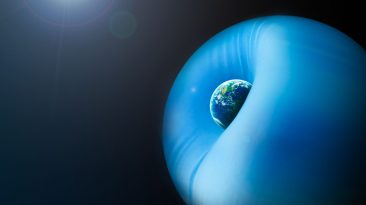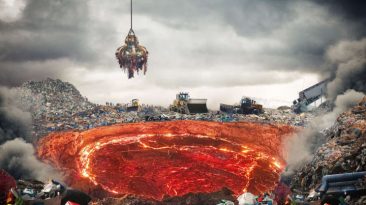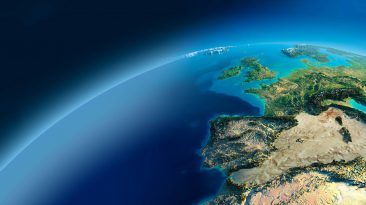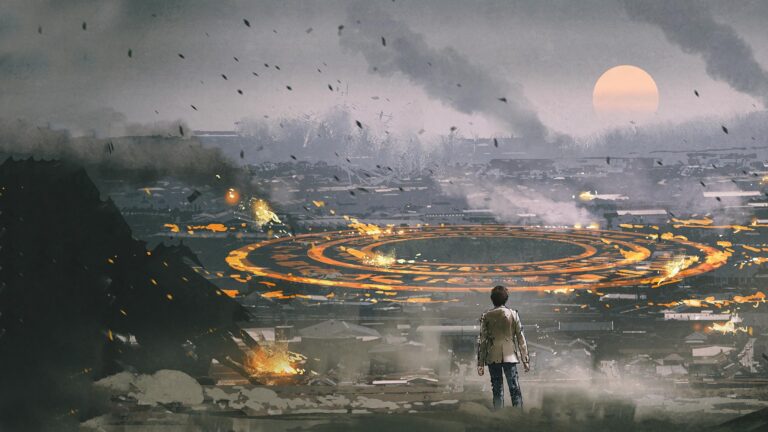
Imagine stepping out of a time machine one billion years from now. Instead of finding futuristic cities and advanced civilizations, you discover a planet that looks nothing like the Earth you left behind.
The continents have shifted, the oceans are disappearing, and the atmosphere has become hostile to almost all life. The biggest question is not what Earth will look like, but whether humanity will still exist at all.
During that enormous stretch of time, humans would have to survive countless threats. Climate changes, asteroid impacts, volcanic disasters, and even changes happening inside the Sun could decide the fate of our species.
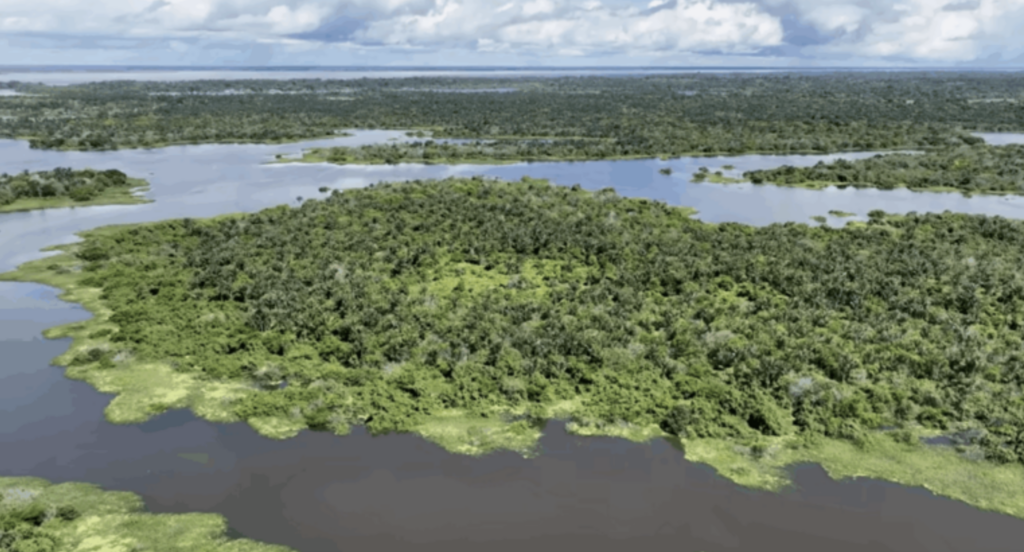
Thousands of years into the future, Earth may still seem familiar, but humanity will already be changing. Technology, genetics, and culture will slowly transform the way future humans live.
Around 10,000 years from now, computers could face a strange problem caused by outdated calendar systems. Similar to the Y2K issue, some software may struggle to process dates far beyond the modern calendar format.
Human evolution will also continue. As populations mix across the planet, many physical traits that are currently connected to specific regions could become spread more evenly among future generations.
But the planet’s biggest challenges will come later.
Hundreds of thousands of years from now, volcanic activity will continue creating new islands while powerful asteroid impacts become almost inevitable. Without advanced technology to protect Earth, a large asteroid could cause destruction on a global scale.
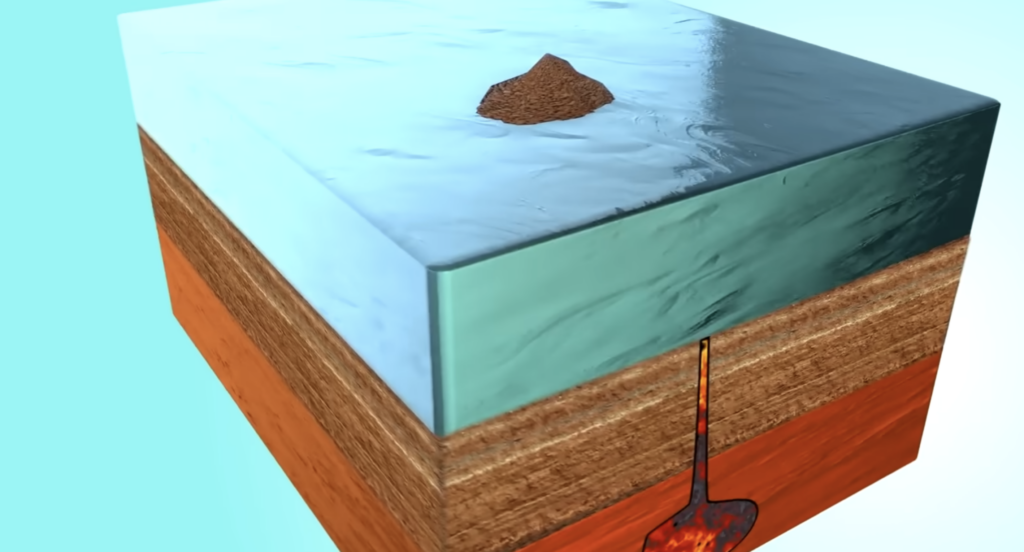
Around one million years into the future, a massive supervolcano eruption could cover huge areas of the planet with ash. An event like this could dramatically change the climate and threaten the survival of many species.
By this point, humanity’s greatest challenge will no longer be protecting Earth.
It will be protecting ourselves.
If humans avoid extinction, our descendants may expand far beyond Earth. Millions of years from now, civilizations could exist across the Solar System, living on planets, moons, or artificial habitats.
But living in completely different environments could change humanity forever. Humans adapted to Mars, low gravity worlds, or space colonies could eventually become biologically different from the people who first left Earth. Meanwhile, Earth will continue its own transformation.
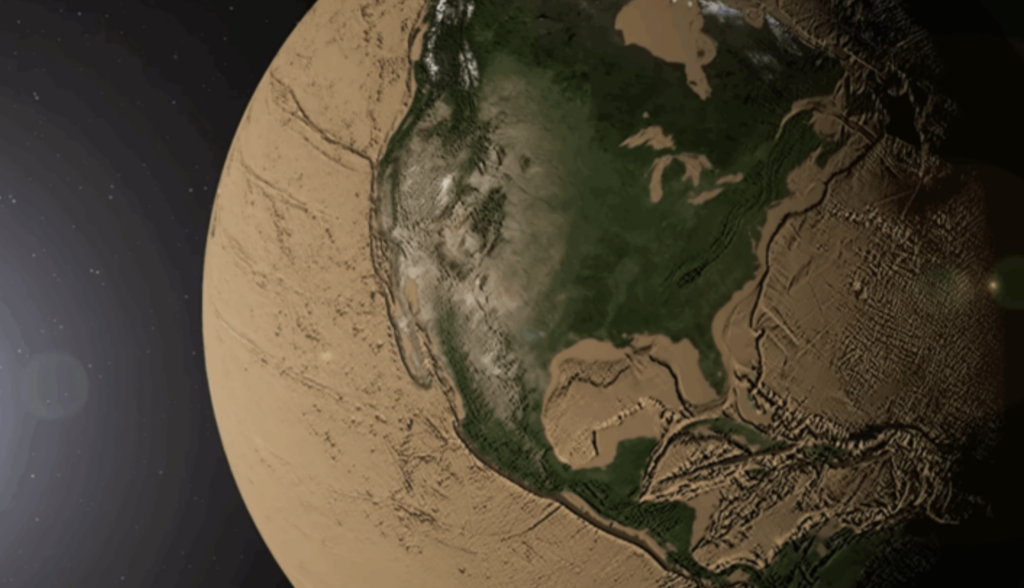
Over millions of years, continents will slowly move across the planet. Eastern Africa will separate, creating a new ocean, while Africa and Eurasia will eventually collide and form enormous new mountain ranges.
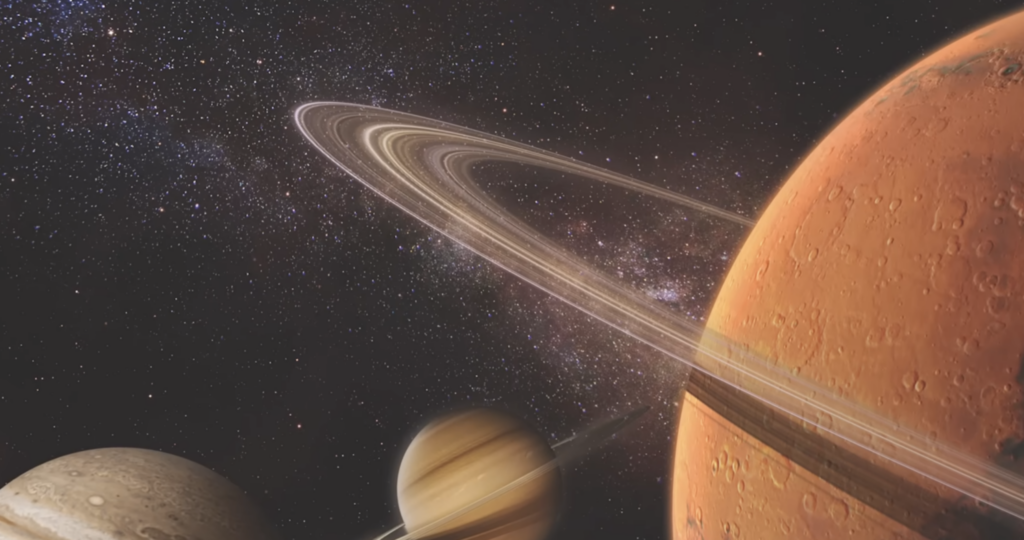
Mars will also experience dramatic changes. Its small moon Phobos will slowly move closer to the planet until it could break apart, potentially creating a ring system around Mars.
Hundreds of millions of years from now, Earth will become almost impossible to recognize.
The continents will combine into a new supercontinent, similar to the ancient Pangaea. However, even this massive landmass will eventually break apart as the powerful forces beneath Earth’s surface continue moving.
Space will bring additional dangers.
A nearby gamma ray burst could damage Earth’s atmosphere and trigger a major extinction event. A massive asteroid impact, similar to the one that ended the age of dinosaurs, could also happen during this distant future.
But the greatest threat will not come from space rocks or volcanoes.
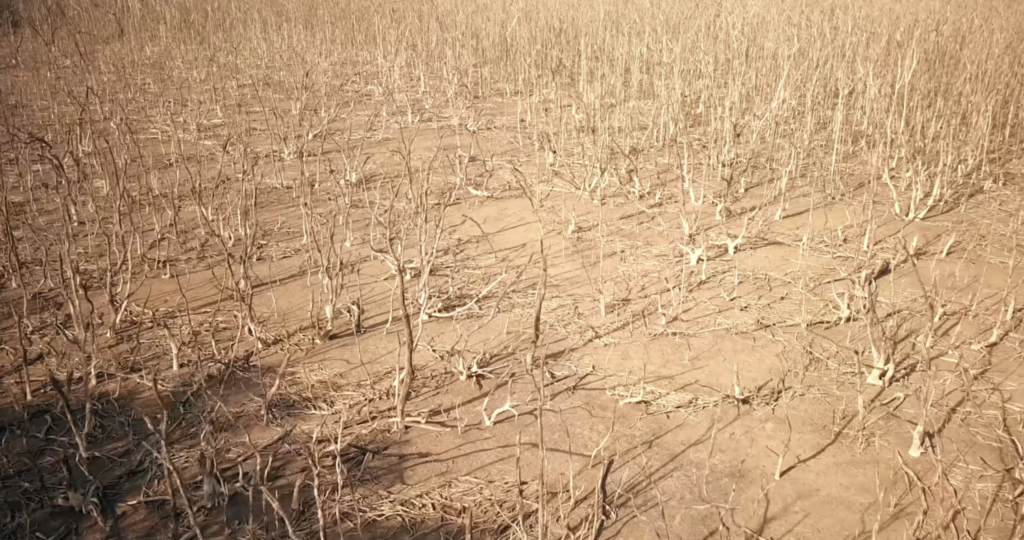
It will come from the Sun.
As the Sun gets older, it will slowly become brighter and hotter. Over hundreds of millions of years, this extra energy will begin changing Earth’s environment beyond repair.
Around 800 million years from now, carbon dioxide levels could become too low for plants to survive. Without plants producing oxygen, complex life would struggle to continue existing.
Then, after one billion years, Earth will enter its final stage.
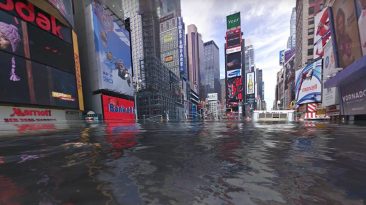
The Sun will be around 10% brighter than it is today, heating the planet until it becomes a giant greenhouse. The oceans will slowly evaporate, leaving only small amounts of water near the poles.
The atmosphere will no longer support the life that currently fills Earth. Forests, animals, and human civilizations will become memories of a distant past.
So what will remain of humanity in a billion years?
Nobody knows.
Perhaps humans will disappear long before reaching that point. Or maybe we will become a civilization that spreads across the stars, carrying our legacy far beyond Earth.
Because one thing is certain: the planet we know today will not survive unchanged.
The only question is whether humanity disappears with it, or whether we find a new home somewhere beyond our world.