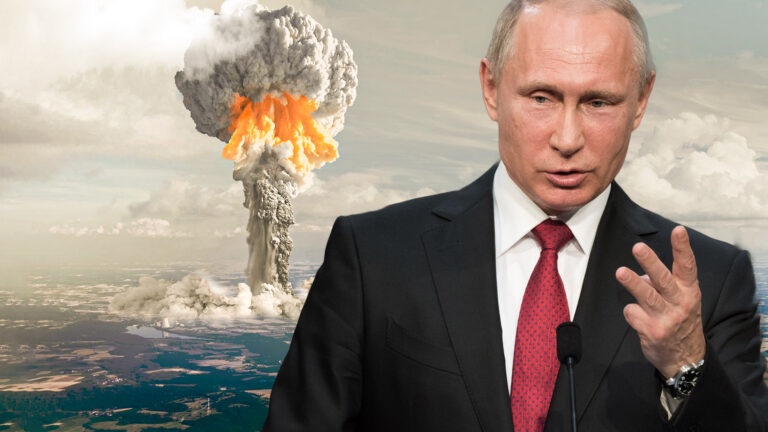
Since Russia’s invasion of Ukraine began, one question has remained in the minds of people around the world: could Russia actually use nuclear weapons? With one of the largest nuclear arsenals on Earth and repeated warnings from Russian officials, the possibility of a nuclear conflict has become one of the most frightening scenarios in modern history.
But launching a nuclear weapon is not as simple as one person pressing a button. A decision of that magnitude would involve complex military procedures, multiple levels of authority, and consequences so devastating that even the country launching the attack would face unimaginable destruction.
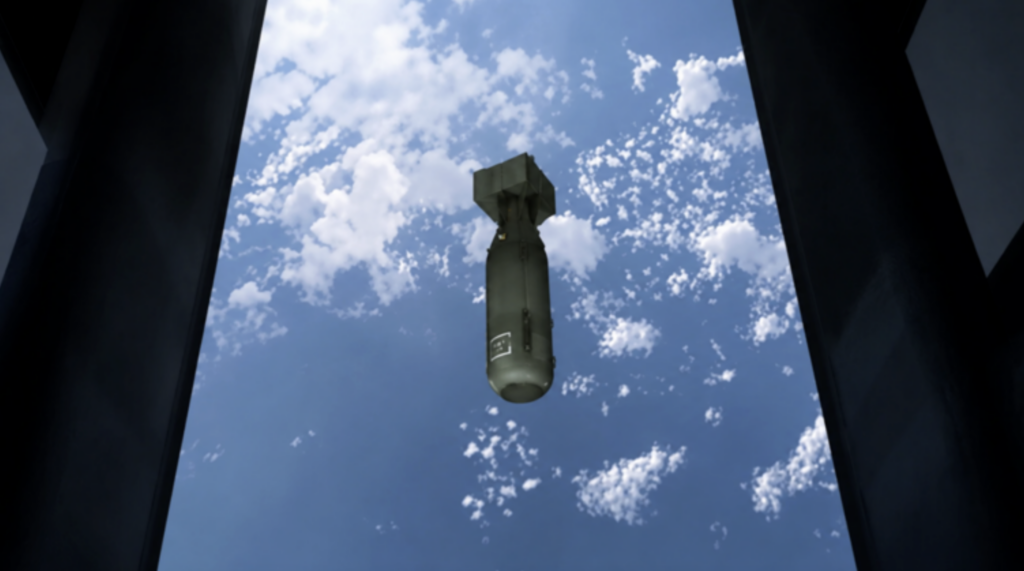
The last time nuclear weapons were used in warfare was in 1945, when the United States dropped atomic bombs on Hiroshima and Nagasaki, Japan. The destruction was unlike anything the world had ever experienced. Around 120,000 people were killed immediately, while tens of thousands more died later from injuries and radiation exposure.
People close to the explosions were instantly affected by extreme heat and pressure. Those near the blast zones suffered severe burns, while entire neighborhoods were destroyed within seconds. These attacks demonstrated the terrifying reality of nuclear weapons and changed warfare forever.
Today, Russia possesses the largest nuclear stockpile in the world, with thousands of nuclear warheads designed for different military purposes. Russian leadership has repeatedly referenced nuclear weapons as part of its national defense strategy, causing fears that a conflict involving NATO could escalate into something much larger.
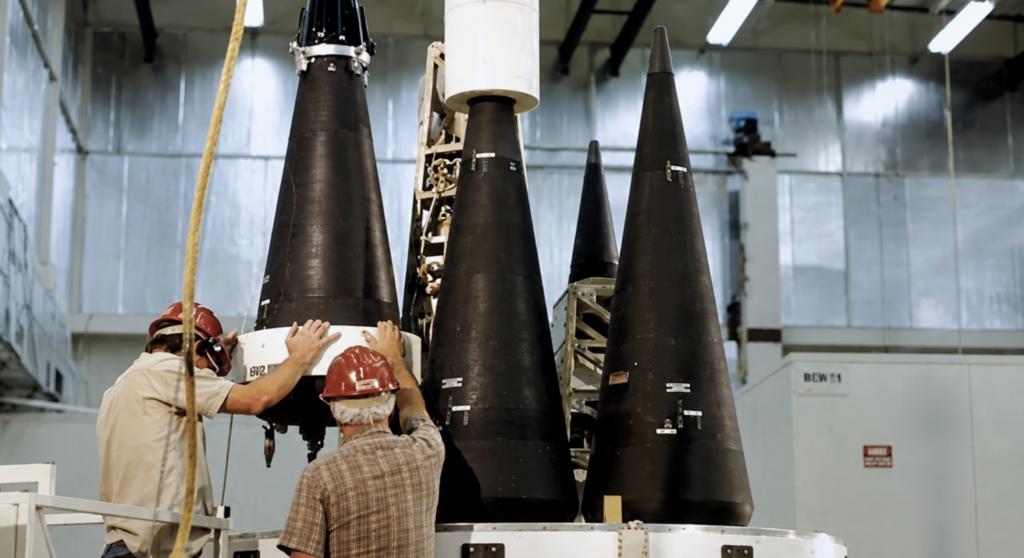
However, there are very specific circumstances under which Russia’s nuclear policy suggests such weapons could be used. These include situations where Russia believes its existence is under direct threat, such as a nuclear attack against Russia or its allies, a major attack on critical military infrastructure, or a conventional military strike that Russian leaders consider severe enough to threaten the country’s survival.
This uncertainty has made nuclear threats a powerful tool of intimidation. By suggesting that certain actions could trigger a nuclear response, Russia can discourage other countries from becoming directly involved in conflicts.
But even if a Russian leader decided to consider using nuclear weapons, the process would not happen instantly.
The Russian president carries a special communication device known as the Cheget, often described as a nuclear briefcase. It allows the president to communicate with Russia’s nuclear command system, but it does not function as a simple launch button.
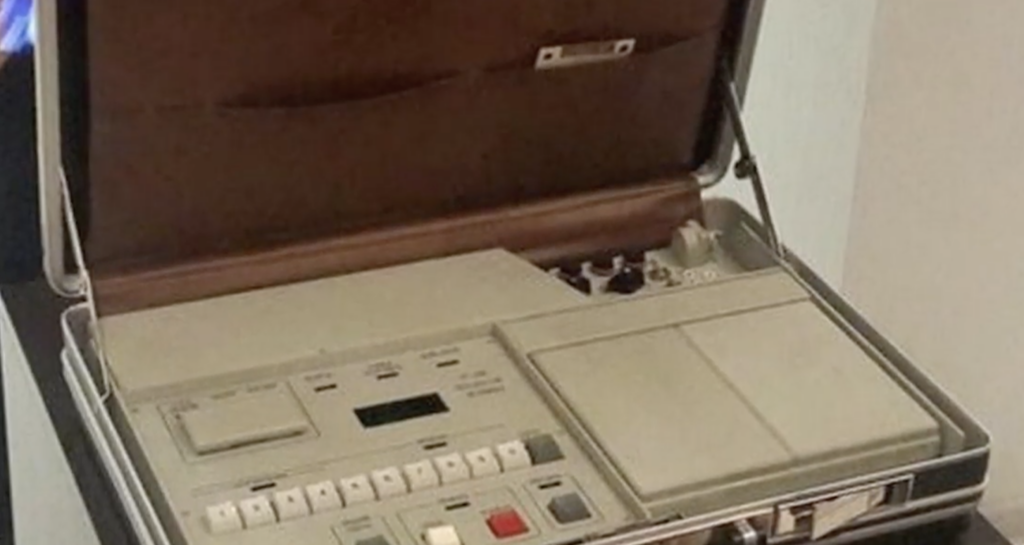
A nuclear launch would require communication between Russia’s political leadership, military command, and weapons operators. The order would be transmitted to the General Staff, Russia’s central military command structure, which would then send authorization codes to individual units responsible for launching nuclear missiles.
Russia also maintains a backup system known as Perimeter, sometimes called the “Dead Hand” system. This system was designed to ensure that Russia could respond even if its leadership and command centers were destroyed during a nuclear attack.
If nuclear missiles were launched, the timeline would be incredibly short. Land based missiles traveling between Russia and the United States could reach their targets in around 30 minutes. A missile launched from a submarine positioned closer to its target could arrive much faster, potentially within 10 to 15 minutes.
The United States has systems designed to detect missile launches, including satellites that monitor infrared signals from rocket engines. If a launch were detected, American leaders would have only a limited amount of time to decide how to respond.
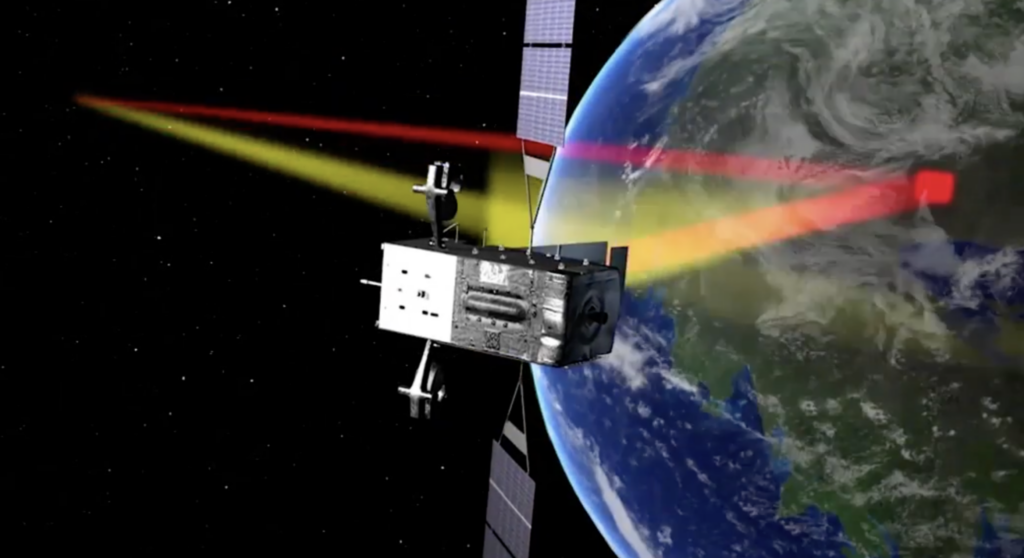
A nuclear strike against a major city would cause catastrophic damage. For example, a nuclear weapon detonated near Washington, D.C. could destroy large areas within seconds, kill tens of thousands of people, and injure hundreds of thousands more. The intense flash from the explosion could temporarily blind people many kilometers away, while radioactive materials could spread far beyond the blast zone.
But the most terrifying part is what could happen next.
A nuclear attack would almost certainly trigger a response from the targeted country. The United States and Russia both maintain nuclear forces designed to survive an initial strike and retaliate. This concept, known as mutually assured destruction, means that launching a nuclear attack could guarantee devastating consequences for the attacker as well.
A full scale nuclear exchange between major powers could have consequences far beyond military targets. Massive explosions would create enormous amounts of smoke and debris that could enter the atmosphere, blocking sunlight and lowering global temperatures. Scientists have warned that such a scenario could disrupt agriculture, threaten food supplies, and affect life around the planet for years.
This is one of the biggest reasons a nuclear strike is considered unlikely. The country that launches the first attack would not simply destroy its enemy. It would also risk destroying itself.
The war in Ukraine has shown that even powerful militaries can face unexpected challenges. Russia’s conventional forces have experienced setbacks that surprised many observers, but nuclear weapons remain a completely different category of power.
While nuclear threats create fear and uncertainty, using these weapons would cross a line unlike any other military decision in history. A nuclear strike would not produce a traditional victory. It would create a disaster where there are no true winners.
The reason Russia would likely never launch the nuke everyone fears is simple: the consequences would not just fall on the enemy. They would come back to everyone involved, including the country that fired first. In a nuclear war, the first person to attack could also be the person who guarantees their own destruction.