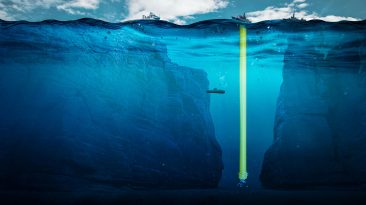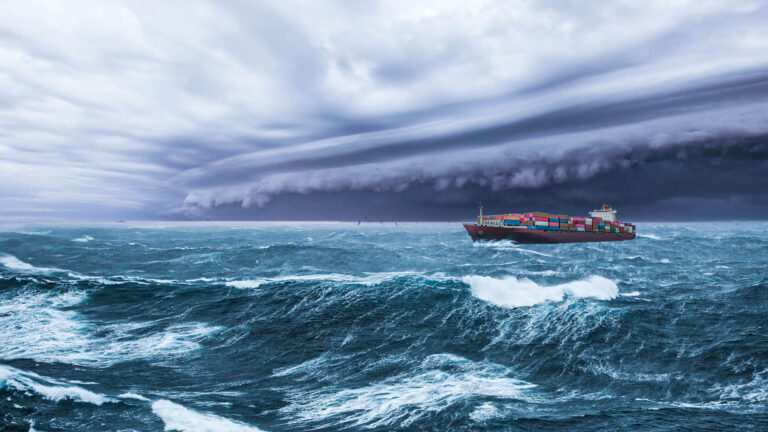
Imagine watching an asteroid plunge into the middle of the Atlantic Ocean. Scientists knew it was coming because a powerful infrared telescope had detected the object in space, giving humanity enough warning to prepare. But surviving the impact would only be the beginning.
Within hours, something far more terrifying could begin forming over the ocean. An enormous storm unlike anything humanity has ever experienced could rise from the heated Atlantic, with winds approaching 800 km/h and enough power to affect the entire planet.
This theoretical monster is known as a hypercane. But what exactly creates one, and could a storm really become powerful enough to threaten life across Earth?
About 66 million years ago, an asteroid roughly 12 km wide struck what is now the Yucatan Peninsula. The impact triggered a chain of events that helped wipe out the dinosaurs and countless other species.
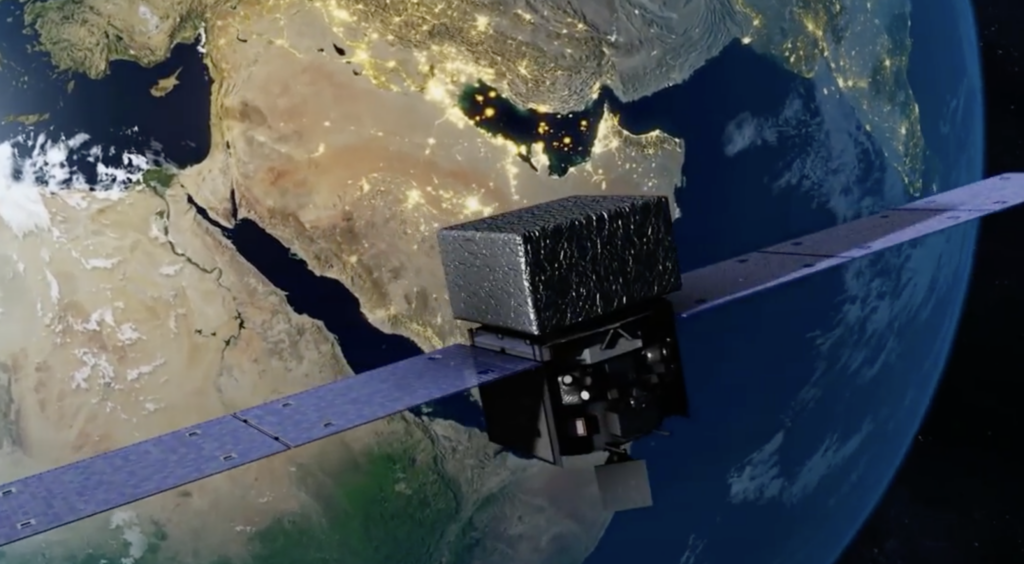
For decades, scientists wondered how an impact in one location could create such devastating consequences around the globe. One possible explanation emerged in 1995 when MIT researcher Dr. Kerry Emanuel proposed the idea of a hypercane.
According to his theory, an exceptionally powerful storm could develop when ocean temperatures became extreme. Such a storm could send enormous quantities of water vapor and aerosols high into the atmosphere, potentially altering atmospheric chemistry and damaging the ozone layer.
That sounds almost impossible when compared with ordinary hurricanes. Yet hurricanes already demonstrate how much energy can be extracted from warm oceans.
A typical hurricane requires warm seawater and favorable atmospheric conditions. Ocean temperatures around 26 degrees Celsius or higher provide the energy needed for evaporation, while rising moist air helps create powerful thunderstorms.
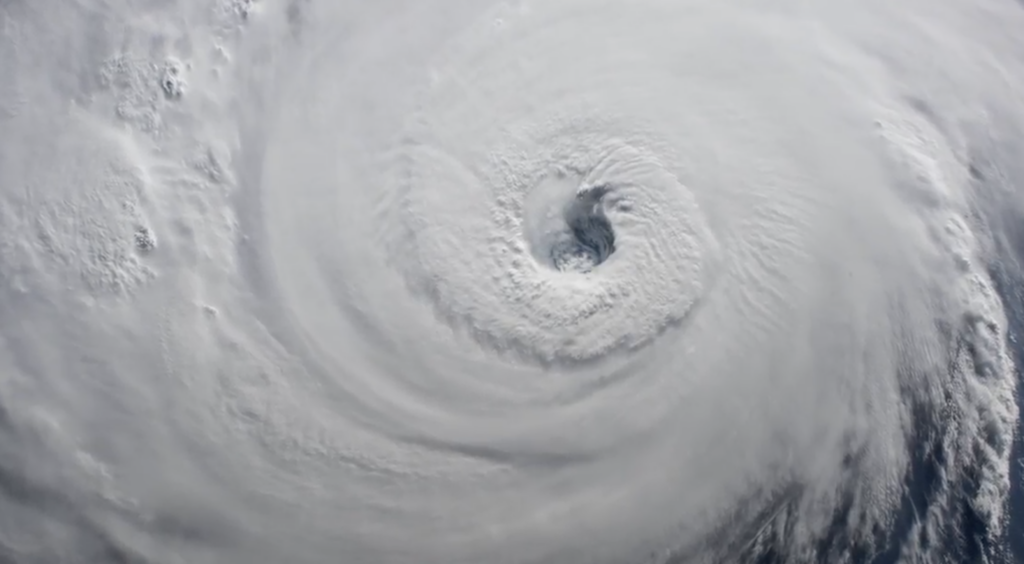
As warm water evaporates, the moisture rises and eventually condenses into clouds. This releases additional heat into the atmosphere, strengthening the circulation and allowing the storm to become more organized.
The strongest hurricanes on the Saffir Simpson scale reach sustained winds of at least 251 km/h. Even storms at this level can destroy buildings, flood entire communities and leave enormous economic damage behind.
Hurricane Katrina demonstrated this terrifying potential when it struck the United States Gulf Coast in 2005. The disaster caused nearly 2,000 deaths and resulted in more than $125 billion in damage.
A hypercane would belong to an entirely different category of destruction. Emanuel’s calculations suggested that under extraordinary conditions, winds could potentially reach about 804 km/h.
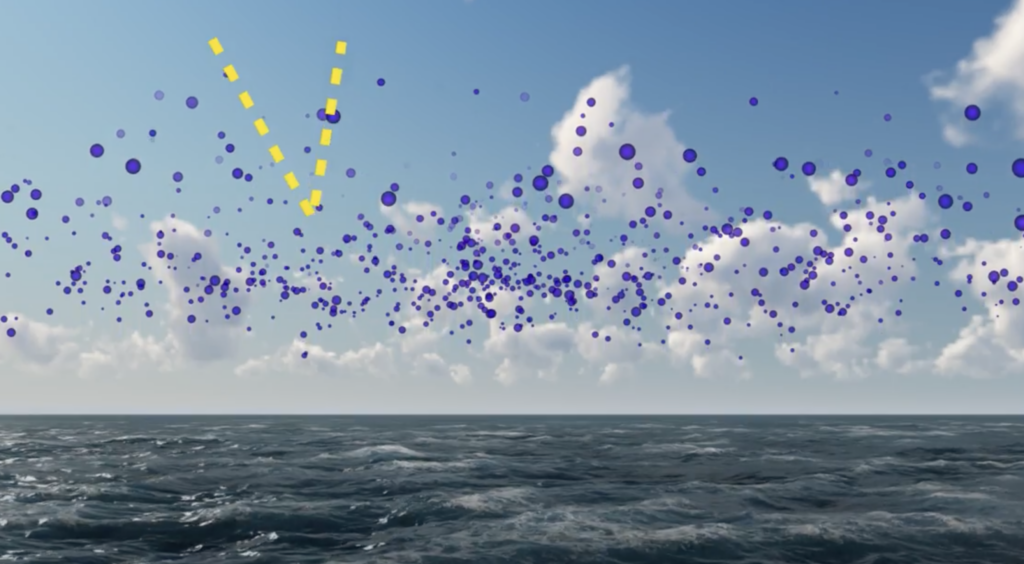
The storm could also become enormous, potentially reaching tens of kilometers into the atmosphere and spreading across thousands of kilometers. Instead of threatening one coastline, such a system could dominate a huge portion of an ocean.
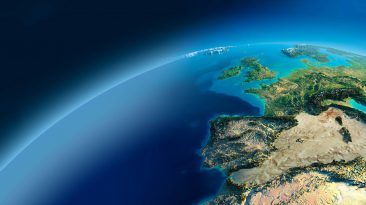
Now imagine the asteroid from our opening scenario crashing directly into the Atlantic. An impact of that magnitude would release an extraordinary amount of energy into the ocean, rapidly heating enormous quantities of seawater.
If the water became hot enough, the evaporation could provide the ingredients needed for a hypercane to develop incredibly quickly. Within less than two days, the Atlantic could potentially become the birthplace of a storm unlike anything modern civilization has experienced.
Aircraft caught above the ocean would face immediate danger. Extreme turbulence and violent winds could make navigation almost impossible, while pilots would desperately search for a safe place to land before conditions became unbearable.
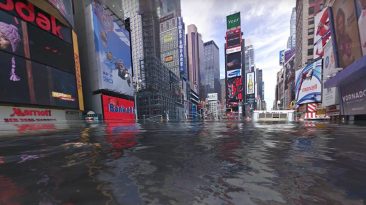
For people on the ground, escaping the storm would be even more difficult. Conventional buildings would provide little protection against winds hundreds of kilometers per hour stronger than the most powerful hurricanes we normally experience.
Deep underground shelters might offer the best chance of survival, but simply hiding underground would not solve everything. Survivors could need reliable electricity, protected food supplies and indoor agriculture capable of operating for years.
The damage to the atmosphere could become an even greater threat. A hypercane could potentially inject enormous quantities of water vapor and other material into the upper atmosphere, contributing to severe disruption of the ozone layer.
With less protection from ultraviolet radiation, conditions at Earth’s surface could become extremely dangerous. Plants would also face serious problems if atmospheric changes and radiation prevented normal photosynthesis.
Once plants began disappearing, the consequences would move through the entire food chain. Herbivores would lose their food sources, predators would follow, and ecosystems could collapse on a massive scale.
Fortunately, there is no evidence that a hypercane is about to form. The scenario depends on extremely unusual conditions that are not present on Earth today.
Scientists do continue to monitor thousands of near Earth asteroids, while improvements in telescopes and tracking systems make it increasingly possible to identify potentially dangerous objects long before they reach our planet.
Hurricanes, however, are a much more immediate reality. Warmer oceans can provide more energy for tropical storms, and climate change is expected to increase the intensity of some of the strongest storms.
So while we probably do not need to prepare for an 800 km/h hypercane swallowing the Atlantic, there is another question worth asking. If humanity could detect a hurricane before it became unstoppable, could we actually stop one?